
How to Choose the Best Wiper Blades for Heavy Rain and Highway Driving (2026 Guide)
Jun 30, 2026
Heavy rain hits your windshield at highway speed. Your wipers lift slightly. Streaks appear. Visibility drops fast. Many drivers face this dangerous situation because they chose the wrong blades.
The best wiper blades for heavy rain and highway driving combine strong aerodynamic design, quality rubber, and even pressure distribution. They stay planted at speed, clear water effectively, and reduce noise for safer driving.
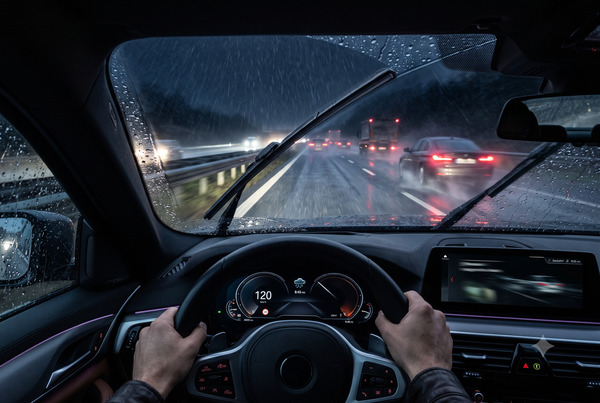
You now see why the right choice matters for safety. Let’s explore why wrong blades create real risks, the common mistakes drivers make, how to choose the best options, why Topex blades excel in these conditions, and what to do next for confident upgrades.
Why Choosing the Wrong Wiper Blades Makes Heavy Rain and Highway Driving Dangerous?
I talk with drivers and fleet operators who learned this lesson the hard way. They picked blades based on price or habit. Then came a storm on the highway.
Wrong wiper blades lift at speed, streak in heavy rain, and create blind spots. This reduces reaction time, increases accident risk, and adds stress during bad weather driving.
Wind Lift at Highway Speeds
Traditional framed blades catch wind easily. They lift off the glass at 60+ mph. This leaves large unwiped areas exactly when you need clear vision most.
Streaking in Heavy Downpours
Poor rubber quality or weak pressure causes water to smear instead of clear. Streaks reflect headlights at night and hide road hazards.
Increased Driver Fatigue
Constant noise, skipping, and the need to lean forward to see clearly tire you faster. Fatigue on long highway trips raises error risk.
Compromised Safety Systems
Modern ADAS cameras rely on a clean windshield. Streaking or lift interferes with lane-keeping and automatic braking when conditions are already difficult.
Higher Long-Term Costs
Frequent replacements and potential glass scratches from poor contact add up. The wrong blades cost more over time than quality options.
| Risk in Heavy Rain/Highway | Effect of Wrong Blades | Real Consequence |
|---|---|---|
| Wind lift | Unwiped areas at speed | Reduced reaction time |
| Streaking | Hazy vision in rain | Hidden hazards |
| Noise and skipping | Driver distraction | Increased fatigue |
| Poor ADAS performance | Confused safety systems | Compromised modern features |
This table shows how bad blades turn challenging conditions into dangerous ones. The right choice prevents these problems.
My Highway Experience
Driving through a sudden storm, my old blades lifted and streaked badly. I had to slow down significantly. After upgrading, the same conditions felt much safer.
Fleet Driver Reports
Long-haul drivers report fewer weather-related incidents after switching to blades designed for high-speed rain. Visibility and confidence improved noticeably.
Wrong blades create avoidable risks. Let’s look at the mistakes that lead to poor choices.
Common Mistakes Drivers Make When Buying Wiper Blades for Rain and Highway Use?
Drivers often focus on the wrong factors when shopping. These mistakes lead to disappointment when weather turns bad.
Common mistakes include choosing only by price, ignoring aerodynamic features, selecting the wrong type, skipping fitment checks, and not considering speed performance. These lead to blades that fail exactly when needed most.
Price-Only Decisions
Many grab the cheapest option. Low-cost blades often lack the design features needed for heavy rain and highway speeds.
Ignoring Aerodynamics
Traditional framed blades look similar but perform poorly at speed. Without spoilers or beam design, they lift easily.
Wrong Blade Type for Conditions
Conventional blades struggle in heavy rain. Beam or hybrid styles handle water and wind better but many drivers stick with old habits.
Skipping Vehicle-Specific Fitment
Guessing size or using old blades as reference leads to poor contact. This causes streaking and uneven wear.
Overlooking Real-World Testing
Few check reviews for rain and highway performance. Blades that look good in store may fail in actual driving conditions.
| Mistake | Why It Leads to Poor Performance | Better Approach |
|---|---|---|
| Price-only focus | Sacrifices design features | Consider total value |
| Ignoring aerodynamics | Lift at highway speeds | Choose beam/hybrid |
| Wrong type | Poor rain clearing | Match to driving conditions |
| No fitment check | Uneven contact | Use vehicle lookup tools |
This table shows how common errors create unsafe blades. Avoiding them leads to better choices.
My Buyer Guidance Story
A customer bought cheap blades for his highway commute. They lifted badly in rain. After switching to properly selected options, he reported much safer drives.
Online Shopper Feedback
Many buyers regret price-focused purchases. Those who researched rain and speed performance report higher satisfaction.
These mistakes are avoidable. Here is how to choose correctly.
How to Choose the Best Wiper Blades for Heavy Rain and Highway Driving?
Choosing the right blades requires focusing on features that matter in wet, high-speed conditions. Follow this practical guide.
To choose the best wiper blades for heavy rain and highway driving, prioritize aerodynamic design, quality rubber, even pressure distribution, correct size, and proven rain performance. These factors ensure the blades stay planted and clear water effectively.
Prioritize Aerodynamic Features
Look for beam-style or hybrid blades with spoilers. These convert wind force into downward pressure, preventing lift at highway speeds.
Choose Quality Rubber Compounds
Premium natural rubber or silicone with coatings (graphite or Teflon) clears water better and resists streaking in heavy rain.
Ensure Even Pressure Distribution
Beam designs provide infinite contact points. This maintains consistent wiping across curved windshields common in modern vehicles.
Verify Exact Fitment
Use your vehicle make, model, and year for accurate sizing. Wrong size creates gaps or excessive pressure.
Check Real-User Feedback
Read reviews specifically mentioning rain and highway use. Independent tests also help identify top performers.
- Match blade type to your primary driving conditions.
- Consider silicone for longer life in wet climates.
- Test new blades with washer fluid immediately after installation.
- Replace both front blades together for balanced performance.
These criteria help you select blades that perform when it matters most. The right choice makes every drive safer.
My Selection Process
I always check aerodynamics and rain performance first. This habit has given me reliable blades across different vehicles and conditions.
Fleet Purchasing Tip
Commercial fleets prioritize blades with proven high-speed rain performance. The slight extra cost pays off through fewer complaints and better safety records.
Good selection sets the foundation. Topex blades excel in these exact conditions.
Why TOPEX Wiper Blades Excel in Heavy Rain and High-Speed Conditions?
After testing many brands in real rain and highway scenarios, Topex stands out consistently.
Topex wiper blades combine strong aerodynamic spoilers, premium rubber compounds, and even pressure distribution. They stay planted at high speeds, clear heavy rain effectively, and reduce noise for safer, more comfortable driving. You can explore their full range on the Topex wiper blade collection.
Advanced Aerodynamic Design
Built-in spoilers and beam construction convert wind force into downward pressure. This prevents lift and maintains contact at highway speeds.
High-Quality Rubber Performance
Premium compounds with water-repellent properties clear rain quickly and resist streaking even in torrential downpours.
Consistent Even Pressure
The flexible beam design adapts to windshield curves. This ensures full coverage without gaps or uneven wear.
Durability in Wet Conditions
Topex blades hold up well to constant water exposure and temperature changes. They maintain performance longer than standard options.
Quiet Operation
Reduced vibration and chatter create a more comfortable drive. This lowers driver fatigue on long highway trips.
| Topex Feature | Benefit in Heavy Rain/Highway | Driver Advantage |
|---|---|---|
| Aerodynamic spoilers | Prevents lift at speed | Stable high-speed wiping |
| Premium rubber | Excellent water clearing | Less streaking |
| Even pressure beam | Full windshield coverage | No blind spots |
| Durable construction | Resists wet weather wear | Longer reliable service |
This table shows why Topex performs exceptionally well in challenging conditions. The engineering delivers real safety benefits.
My Highway Testing Results
On wet highway drives, Topex blades maintained clear vision where standard blades lifted and streaked. The difference was immediate and consistent.
Customer and Fleet Feedback
Drivers in rainy regions report significantly better performance with Topex. Fleets note fewer weather-related complaints and improved safety metrics.
Topex blades are built for demanding conditions. Take the next step to upgrade.
Ready to Upgrade Your Wiper Blades for Safer Driving? Here’s Your Next Step?
You now have clear guidance for choosing blades that handle heavy rain and highway driving effectively. The next step is straightforward.
Ready to upgrade your wiper blades for safer driving? Assess your vehicle needs, choose quality options designed for rain and speed, and install them correctly for immediate improvement.
For beam-style options that excel in these conditions, check the flat wiper blade category.
Small consistent actions create safer drives in all conditions.
Conclusion
Heavy rain and highway driving demand wiper blades that can maintain clear visibility at high speeds without lifting, streaking, or making noise. Choosing the right blades is one of the most important yet often overlooked safety decisions you can make for your vehicle.
The best wiper blades for these conditions combine strong aerodynamic design, quality rubber compounds, and even pressure distribution. TOPEX wiper blades are specifically engineered to perform reliably in challenging weather and high-speed situations.
Don’t compromise on visibility when it matters most. Invest in the right wiper blades today and drive with confidence no matter the weather.
Frequently Asked Questions About Wiper Blades for Heavy Rain and Highway Driving
What makes a wiper blade good for heavy rain?
A good heavy rain blade has high-quality rubber with water-repellent coatings, strong even pressure distribution, and aerodynamic features that prevent lift and streaking.
Are beam-style wiper blades better for highway driving?
Yes. Beam-style blades provide better aerodynamic performance and even pressure. They resist wind lift and maintain contact at high speeds better than traditional framed blades.
How important is aerodynamic design for high-speed wiper performance?
Aerodynamic design is critical. Spoilers and beam construction convert wind force into downward pressure. This prevents lift and ensures consistent wiping at highway speeds.
Do expensive wiper blades perform better in heavy rain?
In most cases yes. Premium blades use better rubber and design features that clear water more effectively and resist streaking compared to budget options.
How often should I replace wiper blades used in rainy climates?
Replace every 6 to 9 months in heavy rain areas. More frequent checks and cleaning help extend life, but consistent exposure accelerates wear.
Can I use the same wiper blades for city and highway driving?
Yes, if you choose quality all-weather or beam-style blades. They handle both low-speed city driving and high-speed highway conditions effectively.

--- END ---


