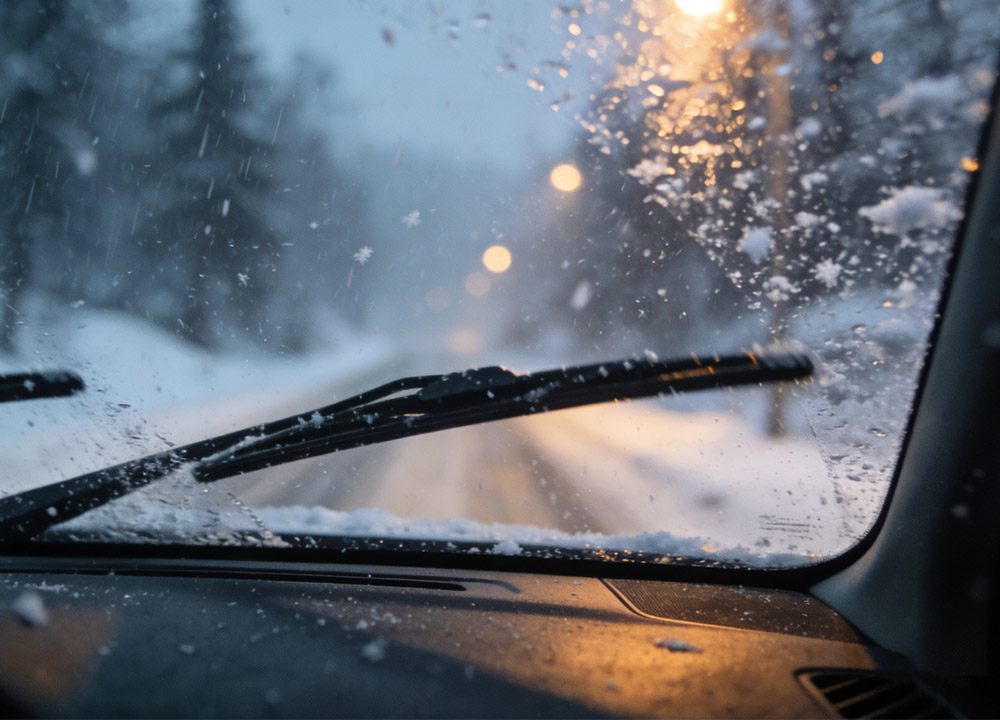
Windshield wipers are often one of the most overlooked parts of a vehicle, despite their direct impact on driving safety. Whether you’re driving in heavy rain, icy roads, scorching heat, or dusty conditions, reliable wiper blades must ensure clear visibility.
Topex wipers are dedicated to creating wiper blades that can handle all kinds of real-world challenges, from everyday weather to harsh environments.
This article will comprehensively discuss how weather affects wiper performance, the characteristics of high-quality wiper blades, and how to choose the right wiper blades for your climate. This will help you maintain good visibility, extend wiper blade life, and improve driving safety.
Why Weather Conditions Matter When Choosing Wiper Blades?
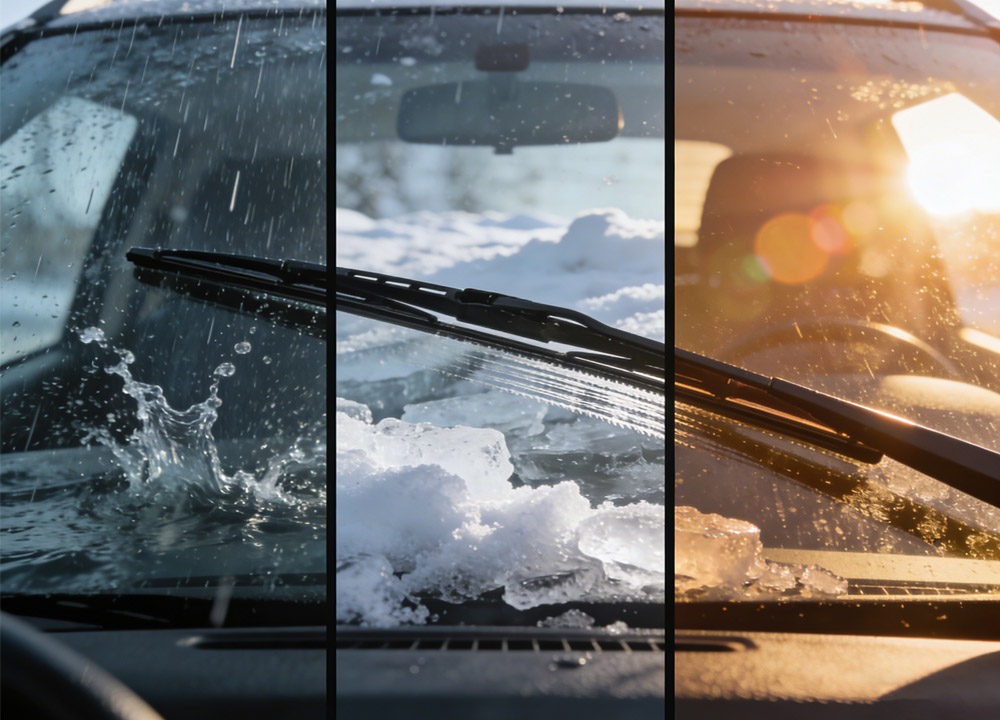
Weather has a tremendous influence on how long wiper blades last and how well they perform. Many drivers assume all wipers are created equal, but the truth is that temperature, humidity, dust levels, and even UV exposure dramatically affect the rubber and frame structure. In some climates, even a premium wiper blade can degrade quickly if it is not specifically designed for those environmental conditions.
Heavy rain, for instance, tests how well a blade handles water displacement. Snow and ice require blades that remain flexible and strong in freezing temperatures.
Desert heat accelerates rubber cracking and frame warping, while dusty climates introduce abrasive particles that slowly grind away the blade’s wiping edge.
Understanding these effects helps you choose the right blade for your driving environment. A blade that thrives in heavy rain may not perform as well in icy conditions. Similarly, a typical summer-friendly blade may fail quickly in desert climates. This is why climate-specific engineering is at the heart of every Topex Wiper product.
Wiper Blades for Rainy and Stormy Weather
In regions where rainfall is frequent or seasonal storms are common, choosing a blade designed for wet conditions is essential. Rainy weather demands a blade that maintains consistent pressure along its entire length, prevents streaking, and glides smoothly across the windshield without jumping or chattering.
Premium blades perform best when they are built with flexible structures that adjust to the windshield curve, ensuring full contact even during heavy downpours.
Rubber formulations also play a key role; high-grade or silicone-enhanced compounds help the blade push water efficiently, which keeps the driver’s field of view clear. Aerodynamic designs further ensure that the blade remains stable even when wind speeds rise during storms.
Topex Wiper’s rain-optimized blades are developed with advanced beam structures and precision rubber technology that maintain stable contact from end to end. This means clearer vision during sudden downpours and better performance during high-speed driving in wet conditions.
Wiper Blades for Harsh Winter Weather
Winter creates some of the toughest challenges for wiper blades. Freezing temperatures cause conventional rubber to stiffen, reducing its ability to conform to the windshield. Snow accumulation places added strain on both the blade and the wiper motor, while ice buildup can cause damage if the blade frame is not protected.
Winter-engineered wiper blades remain flexible in low temperatures thanks to cold-resistant rubber technology. Many high-quality winter blades also incorporate protective covers that shield the blade frame from ice and snow, preventing buildup that could impair wiping performance.
This protective design ensures the blade continues to move freely even during freezing rain or heavy snowfall.
Topex Wiper winter blades feature specialized materials that maintain elasticity in harsh cold and reinforced structures that resist bending under snow load. This delivers consistent performance in conditions where ordinary blades fail, ensuring visibility even in harsh winter storms.
Wiper Blades for Hot and Sunny Climates
Drivers in hot environments face an entirely different issue: intense sunlight and heat. High temperatures accelerate the aging process of rubber, causing it to crack, dry out, or lose elasticity.
In desert climates, temperatures inside vehicles can become extremely high, and windshield glass itself can reach scorching levels. This environment demands rubber compounds that resist UV damage and frame designs that hold their shape despite heat expansion.
Silicone or advanced synthetic rubber compounds are particularly advantageous in these climates, as they tend to resist thermal breakdown better than standard rubber. UV stabilizers further extend the lifespan of the blade, ensuring that it performs long after typical wipers would begin to fail.
Topex Wipe’s heat-resistant designs are built with high-durability materials that maintain performance even after long hours under the sun. These blades retain their flexibility and wiping precision far longer than standard models when exposed to extreme heat.
Wiper Blades for Dusty, and Sandy Environments
Dust and sand introduce abrasive particles that can wear down inferior wiper blades quickly. Over time, the small scratches caused by sand can lead to streaking and poor visibility. In windy desert environments, the challenges intensify, as dust buildup can accumulate on the windshield faster than drivers can clean it off.
A wiper blade suited to dusty environments must have strong abrasion resistance and a durable edge that resists wear. Materials must be tough enough to withstand repeated contact with tiny particles without losing shape or sharpness. The wiper frame must also be resilient, as desert winds can put additional stress on the blade.
Topex Wiper blades made for dusty or sandy regions use rugged construction and abrasion-resistant rubber formulations, ensuring that the wiping edge remains intact far longer than blades not designed for such climates.
Wiper Blades for All-Season Use
In many regions, weather changes frequently throughout the year. Drivers may face spring rains, summer heat, winter cold, and various weather conditions in between. For these environments, all-weather wipers are ideal.
All-weather wipers combine the flexibility needed in low temperatures with the durability required in summer. They typically feature a hybrid design, incorporating the construction of traditional wipers and frameless wipers, ensuring reliable contact with the glass while providing sufficient strength to handle light snow or debris.
Topex all-weather wipers are meticulously designed to deliver optimal performance in a wide range of temperatures, making them a reliable year-round solution. They eliminate the need to replace wipers at seasonal changes, offering convenience without compromising performance.
How Does Weather Affect Wiper Blade Longevity?
Weather plays a major role in how quickly wiper blades wear out. Rain introduces moisture that can soften or warp low-quality rubber. Snow adds weight and cold stress. Heat accelerates ageing, while dust slowly grinds away at the wiping edge. Even humidity levels can affect the chemical integrity of rubber materials.
Environmental factors combined with driving habits determine wiper blade lifespan. For instance, using wipers to clear frost or dry debris can damage the blade surface. Parking outside in direct sunlight shortens longevity. Driving frequently through heavy rain or dust accelerates wear on both the rubber and the frame.
The Key Features of High-Performance Wiper Blades
When comparing wiper blades, the following characteristics are crucial: