

How to Choose the Right Windshield Wipers for Winter Driving?
Dec 18,2025
Last winter, my wipers froze solid overnight. Ice locked them to the glass. I started them anyway. Rubber tore. Visibility zero. Lesson learned hard.
Choose winter wiper blades with protective boots, beam design, and cold-flex rubber. Install before first freeze. These fight snow, ice, and salt for clear, safe drives.
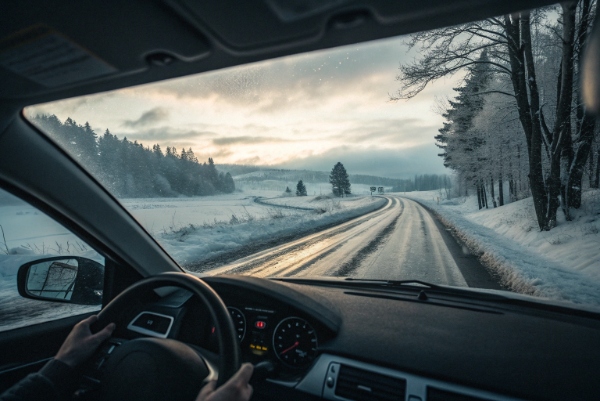
Winter Wiper Guide
You now know winter needs special blades. Let’s break down every detail so your customers drive safe all season.
What Makes Winter Wiper Blades Different from All-Season Blades?
I used all-season blades one winter. Snow packed the frame. Wipers stopped working. Winter blades saved me next year.
Winter blades have rubber boots to block ice. They use stiffer frames and cold-resistant rubber. These stop snow buildup and keep contact in freeze.

Winter Blade Design
Protective Rubber Boot
Boot covers joints. Snow and ice can’t pack in. All-season frames open. Ice jams them fast. Check our winter wiper blades with boot for proven protection.
Beam Style Advantage
No frame joints. Ice slides off. Pressure stays even on curved glass. Better wipe in storms.
Cold-Flex Rubber
Special compound stays soft below -30°C. Regular rubber hardens. Skips on glass.
Reinforced Structure
Thicker spoilers fight wind lift at highway speed. Storms don’t push blade up.
| Feature | All-Season Blade | Winter Blade |
|---|---|---|
| Ice buildup | High in joints | Low with boot |
| Cold flexibility | Stiff below -10°C | Soft to -40°C |
| Snow clearing | Packs frame | Slides off |
| Highway stability | Lift at speed | Spoiler holds down |
This table helps buyers see difference clear.
My Ice Tear
All-season blade froze. Started motor. Rubber ripped. Winter boot blade next year. No problem.
Fleet Switch
Canada fleet used all-season. Ice stops daily. Winter blades cut downtime 80%.
Design wins winter. Timing matters too.
When Should You Install Your Winter Wiper Blades for Best Performance?
I waited too late once. First snow hit. Blades iced over. Could not clear.
Install winter blades before first freeze or snow forecast. Late fall best. Early prep beats emergency swap.

Install Timing
Before First Freeze
Night temps drop below 0°C. Ice forms morning. Blades ready then.
Snow Forecast
Heavy snow coming? Swap early. Avoid first-storm fail.
Regional Timing
North areas: October. Mild areas: November. Watch weather.
Not Calendar Blind
No fixed date. Check forecast. Early snow surprises many.
| Region | Best Install Month | Trigger |
|---|---|---|
| Heavy snow | October | First freeze forecast |
| Mild winter | November | Night below 0°C |
| Coastal | Late November | Salt roads start |
This table plans stock peaks.
My Late Swap
Snow came early. All-season useless. Winter blades in trunk. Swapped in parking lot cold.
Fleet Prep
Install all trucks October. No storm surprises. Drivers safe.
Timing sets success. Prep glass too.
How to Prepare Your Windshield and Wipers for Snow, Ice, and Extreme Cold?
Ice locked my blades once. Motor strained. Almost burned out. Prep prevents damage.
Clean glass deep. Use winter fluid. Lift blades night. Clear ice gentle. These steps protect wipers and vision.

Winter Prep Steps
Deep Glass Clean
Remove wax and film. Ice sticks less. Rubber glides better.
Winter Washer Fluid
-30°C rated. Prevents refreeze on glass. Lubricates blade.
Night Lift
Raise arms before park. No freeze to glass. Saves rubber tear.
Ice Clear Gentle
Use scraper or defroster. Never force wipers on ice.
Salt Rinse
After salty roads, spray fluid extra. Removes grit.
| Step | Why Do It | Saves |
|---|---|---|
| Deep clean glass | Less ice stick | Clear wipe |
| Winter fluid | No refreeze | Smooth motion |
| Lift arms | No tear | Rubber life |
| Gentle ice clear | No damage | Motor and blade |
This table trains drivers.
My Motor Strain
Forced iced blades. Motor smoked. Prep now routine.
Salt Damage
Coastal fleet rinsed weekly. Blades lasted full season.
Prep done. Best styles next.
What Are the Best Wiper Styles and Features for Snowy or Icy Conditions?
I tested styles in snow. Framed packed ice. Beam cleared perfect.
Beam winter blades best. Add boot and spoiler. Silicone rubber for cold flex. These fight snow and ice.

Winter Wiper Features
Beam Design
No joints. Ice can’t build. Even pressure.
Protective Boot
Rubber cover on frame. Blocks snow pack. See our snow wiper blades for this feature.
Spoiler
Holds blade down at speed. Storm wind no lift.
Silicone Rubber
Stays soft extreme cold. Longer life. Explore our silicone wiper blades for winter use.
| Style/Feature | Snow Performance | Ice Resistance |
|---|---|---|
| Framed all-season | Packs snow | Low |
| Beam no boot | Good | Medium |
| Beam with boot | Excellent | High |
| Silicone rubber | Best flex | Best cold |
This table guides stock choice.
My Snow Test
Beam boot blade cleared storm. Framed stopped half way.
Heated Option
Some have heat wires. Melt ice fast. Premium fleets use.
Styles chosen. Mistakes to avoid.
Common Winter Wiper Mistakes That Reduce Visibility and Blade Life?
I forced wipers on ice once. Rubber tore. Motor strained. Expensive lesson.
Avoid dry wipe, ice force, wax glass, park stuck, late swap. These damage blades and cut vision.

Common Mistakes
Force on Ice
Tears rubber. Strains motor. Use scraper first.
Dry Wipe
No fluid drag. Hardens rubber fast. Spray always.
Wax Glass
Blade grabs wax. Chatter loud. Clean deep fall.
Park Stuck
Blades freeze to glass. Tear on start. Lift arms.
Late Swap
Wait for snow. First storm fail. Prep early.
| Mistake | Damage | Avoid By |
|---|---|---|
| Force ice | Tear rubber | Scraper first |
| Dry wipe | Hardens edge | Fluid always |
| Wax residue | Chatter | Deep clean |
| Park stuck | Tear on start | Lift arms |
| Late install | Storm fail | Prep fall |
This table prevents claims.
My Tear Cost
Forced ice. New blades needed. Motor check too.
Wax Chatter
Car wash wax. Noise all winter. Clean fixed.
Mistakes hurt. Let’s conclude.
Conclusion
Choose winter wipers with beam design and boots. Install early. Prep glass and fluid. Avoid ice force. Clear, safe winter drives.
Frequently Asked Questions About Winter Wiper Blades
When install winter wipers?
Before first freeze or snow forecast. October/November.
Beam better in snow?
Yes. No joints for ice pack.
Silicone worth extra in winter?
Yes. Stays soft extreme cold.
Lift blades every night?
Yes in freeze. Prevents tear.
Winter fluid important?
Yes. -30°C rated. No refreeze.
Force wipers on ice?
No. Tears rubber. Use scraper.
Rear winter blade too?
Yes. Same ice problems.
Heated blades good?
Yes for heavy ice. Melt fast.
Clean blades winter?
Yes weekly. Salt grime builds.
All-season OK winter?
No in heavy snow. Ice packs frame.
--- END ---
Related Blogs


