
Hybrid Wiper Blades: Are They Worth It in 2026? Honest Review & Comparison
Jul 09, 2026
You want wiper blades that handle rain, snow, and highway speeds without constant replacement. Hybrid blades promise the best of both worlds, but the higher price leaves many drivers wondering if they are truly worth it.
Hybrid wiper blades combine the sturdy frame of conventional blades with the flexible beam design, offering balanced all-weather performance. They are often a solid middle-ground choice between budget conventional blades and premium beam blades.
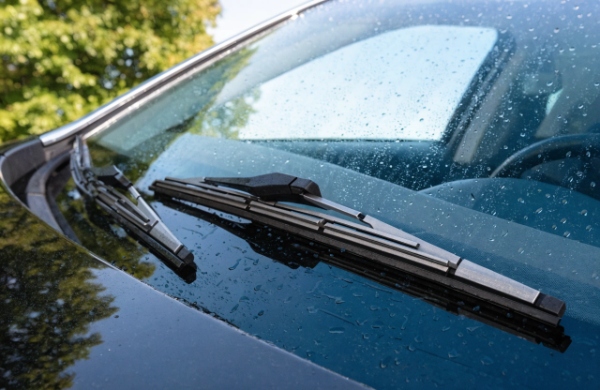
You now see why this honest review matters for your next purchase. Let’s explore why many drivers are still unsure about hybrid wiper blades, the common misconceptions, a detailed explanation of pros, cons, and real-world performance, when hybrid blades are worth it, and your next step to decide.
Why Many Drivers Are Still Unsure Whether Hybrid Wiper Blades Are Worth Buying?
I speak with drivers and fleet operators every week. They see hybrid blades advertised as the perfect compromise but hesitate because of the price and mixed experiences.
Many drivers remain unsure whether hybrid wiper blades are worth buying because of higher upfront cost, conflicting reviews, and uncertainty about whether they outperform conventional or beam blades in their specific driving conditions. This hesitation often leads to sticking with familiar options.
Higher Upfront Price
Hybrid blades cost more than traditional conventional blades. Many drivers question whether the extra investment delivers meaningful improvements in rain clearing or longevity.
Conflicting Real-User Experiences
Some drivers praise hybrids for good all-weather performance. Others report average results or prefer pure beam designs. This inconsistency creates doubt.
Marketing vs Real-World Gap
Advertisements highlight the “best of both worlds” concept, but actual performance in heavy rain or at highway speeds sometimes shows smaller differences than expected.
Uncertainty About Personal Needs
Drivers in mild climates wonder if hybrids are overkill. Those in harsh conditions worry about whether hybrids are the best option among premium choices.
Fear of Overpaying for Marginal Gains
Many prefer to test cheaper conventional blades first. If they fail, they upgrade. This trial-and-error approach wastes time and money.
| Source of Uncertainty | Why It Causes Hesitation | Real Impact |
|---|---|---|
| Higher price | Doubt about value | Delayed upgrade |
| Mixed reviews | Conflicting experiences | Decision paralysis |
| Marketing claims | Overpromised benefits | Disappointment if unmet |
| Personal driving conditions | Uncertainty about fit | Wrong blade choice |
This table shows why many drivers stay unsure. Clear, honest reviews help cut through the confusion.
My Customer Consultation Story
A customer hesitated on hybrid blades due to price. After comparing real test data and his mixed driving conditions (city and highway), he chose a strong value hybrid and reported reliable performance without overpaying.
Fleet Manager Perspective
Fleet operators balance cost and reliability. They test hybrid options but often find that performance gains must justify the price across their entire fleet.
Uncertainty is common. Let’s clear up the misconceptions first.
Common Misconceptions About Hybrid Wiper Blades?
Drivers often hold beliefs that do not match real performance data. These misconceptions lead to poor purchasing decisions.
Common misconceptions include thinking hybrid blades are always the best choice, believing they are just a marketing gimmick, confusing them with pure beam blades, and assuming they are unnecessary for most drivers. Understanding the facts helps you choose wisely.
“Hybrid Is Always the Best”
Hybrid blades offer balanced performance, but pure beam blades often outperform them in high-speed or extreme weather conditions. The best type depends on your specific needs.
“Hybrid Is Just Marketing”
Hybrids combine real design elements from conventional frames and beam technology. The construction provides measurable benefits in many conditions.
“Hybrid and Beam Are the Same”
Hybrid blades retain a frame structure with a beam-like element. Pure beam blades are frameless. The designs behave differently in wind and on curved glass.
“Hybrids Are Overkill for Most Drivers”
In mild climates, conventional blades may suffice. However, in rain, snow, or highway driving, hybrid advantages in contact and durability become clear.
| Misconception | Reality | Better Perspective |
|---|---|---|
| Hybrid always best | Depends on conditions | Match to your driving needs |
| Just marketing | Real design benefits | Understand the construction |
| Same as beam | Different structure and performance | Learn the differences |
| Overkill for most | Valuable in demanding conditions | Consider your climate |
This table corrects common wrong beliefs. Clear facts lead to smarter choices.
My Customer Guidance Story
A customer believed hybrids were just hype and chose conventional blades. After experiencing more streaking in rain, he switched to a hybrid and noticed better contact and quieter operation.
Fleet Decision Insight
Fleet managers who assumed “hybrid is always best” sometimes overpaid. Testing showed hybrids excelled in mixed conditions, while pure beam worked better for high-speed routes.
Misconceptions prevent optimal choices. Let’s look at hybrid performance in detail.
Hybrid Wiper Blades Explained: Pros, Cons & Real-World Performance?
Hybrid blades combine conventional frame strength with beam flexibility. Here is an honest breakdown.
Hybrid wiper blades offer balanced all-weather performance by combining a sturdy frame with flexible beam elements. They outperform conventional blades in most tests but may not match pure beam blades in extreme high-speed or heavy rain conditions.
Structure and Design
Hybrid blades use a metal or reinforced frame with a beam-like rubber element. This provides structural support while allowing better adaptation to curved windshields.
Rain and Wet Weather Performance
Hybrids generally clear water well in both light and heavy rain. They maintain better contact than conventional blades on modern curved glass.
High-Speed Stability
Hybrid designs resist wind lift better than conventional framed blades. They perform reliably at highway speeds but may show slight lift compared to premium pure beam blades.
Winter and Cold Performance
Hybrids handle moderate winter conditions well. The frame provides durability while the flexible element maintains contact in light snow or cold temperatures.
Noise and Vibration
Hybrid blades are generally quieter than aged conventional blades. They reduce chatter through better pressure distribution.
Pros of Hybrid Blades
- Balanced performance across conditions
- Better contact on curved windshields than conventional
- Good durability for the price
- Often easier to install than some beam options
Cons of Hybrid Blades
- May not match pure beam in extreme high-speed stability
- Price higher than basic conventional blades
- Performance varies by brand quality
| Aspect | Hybrid Blades | Conventional Blades | Pure Beam Blades |
|---|---|---|---|
| Rain clearing | Very good | Good | Excellent |
| High-speed stability | Good | Fair | Excellent |
| Winter performance | Good | Fair | Very good |
| Durability | Good | Fair | Very good |
| Value | Strong middle ground | Budget-friendly | Premium |
This table provides a clear comparison. Hybrid blades sit in the middle for most drivers.
My Real-World Testing Notes
In mixed rain and highway tests, hybrid blades performed reliably and required less frequent replacement than conventional options. They did not always match the top pure beam blades in extreme conditions.
Customer Feedback Summary
Many drivers appreciate the balanced performance of hybrids. They report good rain clearing and quieter operation without paying full premium prices.
Hybrid blades offer a practical middle ground. Let’s see when they are worth it.
When Hybrid Wiper Blades Are Worth It – And When They’re Not?
The best choice depends on your specific situation. Here is clear guidance.
Hybrid wiper blades are worth it for drivers who want balanced all-weather performance at a reasonable price. They are often not the best choice for extreme high-speed highway driving or very harsh winter conditions, where pure beam blades may perform better.
When Hybrid Blades Are Worth It
- You drive in mixed city and highway conditions
- You want good rain and light snow performance without premium pricing
- You prefer a durable middle-ground option between budget and high-end blades
- Your vehicle has moderately curved windshields
When Hybrid Blades Are Not the Best Choice
- You frequently drive at high speeds in heavy rain or wind
- You need maximum durability in extreme winter conditions
- You want the absolute best rain clearing and are willing to pay premium prices
- Your budget allows for top-tier pure beam blades
Topex Hybrid Advantages
Topex hybrid blades combine sturdy construction with flexible performance. They deliver reliable all-weather results at competitive prices and often provide excellent value for drivers seeking balanced performance.
| Situation | Recommended Choice | Reason |
|---|---|---|
| Mixed daily driving | Hybrid | Balanced performance |
| Heavy rain + highway | Pure beam | Superior stability |
| Budget-conscious | Hybrid or quality conventional | Good value |
| Extreme winter | Premium beam or reinforced hybrid | Better cold flexibility |
This table helps match the blade type to your needs. Honest assessment leads to the best outcome.
My Recommendation Summary
For most drivers in varied conditions, hybrid blades offer a strong balance of performance and value. Topex hybrids often deliver reliable results without the highest premium pricing.
Fleet Purchasing Advice
Fleet managers should test hybrid options in their specific routes. Hybrids often provide the best cost-performance balance for mixed fleets.
Hybrid blades are worth considering for many. Here is how to decide and act.
Ready to Decide on Hybrid Wiper Blades? Here’s Your Next Step?
You now have honest comparison data to guide your decision. The next step is straightforward.
Ready to decide on hybrid wiper blades? Assess your driving conditions and budget, compare options based on real performance, and choose quality blades that match your needs for clearer, safer driving.
For reliable hybrid performance, explore the Topex wiper blade collection. You can also check their hybrid wiper blade category for balanced options.
Small consistent actions create clearer, safer driving.
Conclusion
Hybrid wiper blades combine the strengths of conventional frames and beam technology, offering good all-weather performance and durability for many drivers. They are often a solid middle-ground choice between budget conventional blades and premium beam blades.
In 2026, hybrid blades are worth considering if you want balanced performance without paying full premium prices. However, for extreme conditions or maximum high-speed stability, pure beam blades may still be superior.
The best wiper blade is the one that matches your driving needs. Evaluate your climate and vehicle before deciding.
Frequently Asked Questions About Hybrid Wiper Blades
Are hybrid wiper blades better than beam or conventional ones?
Hybrid blades offer balanced performance and often outperform conventional blades in rain and durability. Pure beam blades frequently edge them out in high-speed stability and extreme conditions.
What are the main advantages of hybrid wiper blades?
Hybrid blades provide good all-weather performance, better contact on curved windshields than conventional designs, and solid durability at a reasonable price.
How long do hybrid wiper blades typically last?
Hybrid blades generally last 12–24 months with proper care. Real-world lifespan depends on climate, driving habits, and maintenance.
Are hybrid blades good for winter driving?
Yes. Hybrid blades handle moderate winter conditions well and maintain better flexibility and contact than many conventional blades in light snow or cold temperatures.
Do hybrid wiper blades reduce noise and chatter?
Yes. Hybrid designs generally reduce chatter compared to aged conventional blades through better pressure distribution.
Are hybrid blades worth the extra cost compared to standard ones?
Yes for most drivers in mixed conditions. They provide better performance and longevity than basic conventional blades while remaining more affordable than premium pure beam options.

--- END ---


