

When to Replace Your Windshield Wipers: Signs, Timing, and Expert Tips?
Dec 18, 2025
I once drove through a sudden storm with old wipers. They smeared everything. I could not see the road. That scare made me promise never to wait too long again.
Replace windshield wipers every 6-12 months. Hot climates need 6 months. Cold or mild areas can reach 12. Watch for streaks, noise, or skips. Act early for clear, safe vision.
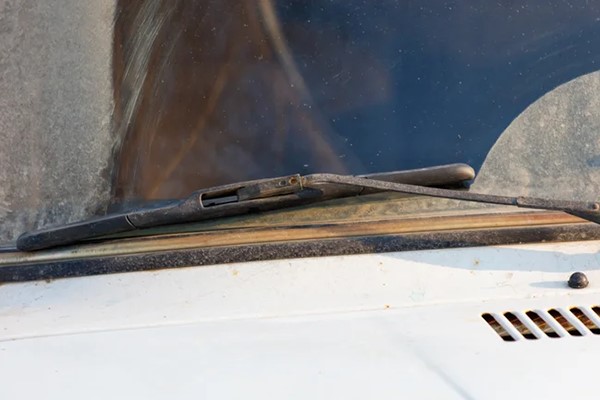
Wiper Replacement Signs
You now know the basic rule. Let’s look deeper. This guide helps you replace at the right time and avoid risks.
How Often Should You Replace Windshield Wipers in Different Climates?
I see buyers think one rule fits all. It does not. Climate changes everything.
Replace wipers every 6 months in hot, sunny areas. Go 12 months in cold or mild climates. Heat and UV kill rubber faster than snow.

Climate Timing Guide
Hot and High UV Regions
Sun and heat bake rubber hard. Blades lose flex in 4-6 months. I see this in Middle East orders. Customers replace twice a year.
Cold and Snowy Regions
Cold keeps rubber soft longer. Salt hurts, but UV less. Blades last 9-12 months. Canadian fleets follow this schedule.
Mild and Rainy Areas
No extreme heat or deep freeze. Rubber ages slow. 12 months works fine. UK buyers get full year from good blades.
Break the One-Size Myth
No universal 12 months. Check your weather. Hot parking lots count as harsh. Garage cars last longer. In mixed climates, hybrid options balance well – see our hybrid wiper blades.
| Climate Type | Replacement Interval | Main Killer | Recommended Type Link |
|---|---|---|---|
| Hot desert | 6 months | UV and heat | Silicone blades |
| Cold winter | 9-12 months | Salt | Standard or hybrid |
| Mild temperate | 12 months | Normal wear | Flat blades |
| Coastal salt | 6-9 months | Salt + UV | Silicone preferred |
This table helps wholesalers advise buyers right.
My Climate Test
Samples in Xiamen sun lasted 6 months. Same blades in cooler warehouse hit 14 months. Climate decides.
Fleet Example
Arizona fleet replaced every 6 months. Complaints dropped. California mild fleet waited 12 months. Both happy.
Climate sets the clock. Early signs tell you sooner.
What Are the Early Warning Signs That Your Wiper Blades Need Replacement?
I learned to spot small signs. They save big problems later.
Watch for light haze, small skips, or faint streaks first. These early signs mean rubber starts to fail. Replace before full smear.

Early Warning Signs
Light Haze or Film
After wipe, glass looks foggy. Not clean. Rubber edge dulls. Early stage.
Small Skips or Jumps
Blade jumps over tiny spots. You see quick unwiped lines. Flex lost.
Faint Streaks
Thin lines stay after pass. Not full smear yet. Edge rounds off.
Difference from Full Failure
Full failure means big streaks, loud noise, half glass wet. Early signs quiet but dangerous in sudden rain.
| Sign Level | Symptom | Action |
|---|---|---|
| Early | Light haze, small skips | Plan replace soon |
| Middle | Clear streaks, some noise | Replace next month |
| Full failure | Heavy smear, loud squeak | Replace now |
This table shows progression clear.
My Early Catch
Light haze on my car. Replaced early. Next storm perfect. Waited on old car. Storm blinded me.
ADAS Note
Early haze smears cameras. Lane assist fails quiet. Replace sooner for tech cars.
Early signs matter. Noise often next.
Can Noisy or Chattering Wipers Mean It’s Time to Replace Them?
Noise annoyed me for weeks. Clean helped short. Blades old. Replacement fixed forever.
Noise can come from dirt or old rubber. Clean first. Noise stays after clean? Rubber hard. Replace.
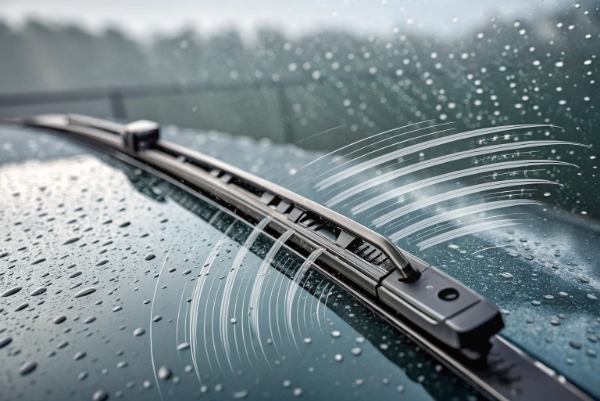
Noise Means Replace
Clean Can Fix
Dirt, road film, or wax buildup causes about 60% of wiper noise issues. A quick alcohol wipe on the rubber or thorough glass clean often stops the squeak instantly. Always try this simple step first before considering replacement.
Noise from Age
Rubber naturally hardens over time from UV exposure, heat, and ozone. Once stiff, it skips across the glass and creates chatter or squealing sounds. Cleaning won’t help at this stage—replacement is the only reliable fix for aged blades.
When Noise Means Replace
If squeaking returns quickly after cleaning, or the rubber edge feels hard and inflexible to the touch, the blade has reached the end of its life. Continuing to use worn blades risks streaks, poor visibility, and potential windshield scratches.
Link to Noise Guide
Want full noise fixes? Check my guide “Why Are My Wiper Blades Noisy?” for every cause.
| Noise Type | Clean Helps? | Replace Needed? |
|---|---|---|
| New sudden | Yes | No |
| After clean returns | No | Yes |
| With skips | No | Yes |
| One direction | Maybe | Check arm |
This table decides fast.
My Noise Lesson
Cleaned three times. Noise back. New blades. Silence year long.
Fleet Noise
Noisy trucks. Clean fixed half. Replace fixed rest. Both needed.
Noise warns. Looks can trick.
Why Visual Inspection Alone Isn’t Enough to Judge Wiper Blade Condition?
Blades looked fine to me once. Wiped terrible in rain. Lesson learned.
Looks normal but wipes bad means rubber lost flex. Feel edge and test wipe. Performance matters more than appearance.
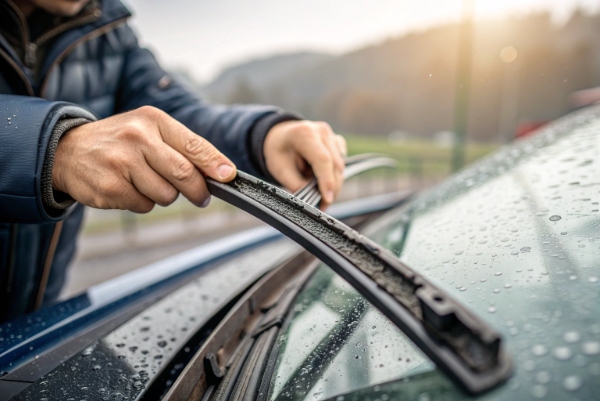
Visual vs Performance
Looks Good Trap
Wiper blades often look fine from the outside—no visible cracks, straight edge, clean appearance. But the rubber can be worn internally, losing elasticity. This hidden damage causes streaks and poor wiping performance even when the blade appears new.
Flex Test
Gently bend the rubber edge away from the blade with your finger. A new, healthy blade snaps back immediately with strong spring. Old or degraded rubber stays bent or returns slowly, revealing internal wear that will cause noise and poor visibility.
Performance Test
The ultimate check is in real conditions—drive in rain or spray heavy washer fluid on the windshield. If you see smears, haze, thin water film, or skipped areas after wiping, the blade no longer seals properly and needs replacement.
Why Wipe Matters More
Clear, complete wiping isn’t just about looks—it’s about safety. A perfect-looking blade that leaves haze or streaks reduces visibility and increases stopping distance in rain. Prioritize function over appearance to protect yourself and others on the road.
Upgrade Option
For better hidden life, try our silicone blades.
| Check Type | What It Shows | Limit |
|---|---|---|
| Visual | Cracks, tears | Misses hidden age |
| Feel flex | Rubber life left | Better warning |
| Wipe test | Real performance | Most accurate |
This table changes how buyers judge.
My Look Fail
Blades pretty. Rain disaster. Now test wipe always.
ADAS Risk
Hidden wear smears sensors. Tech fails quiet.
Visual not enough. Season prep smart.
Should You Replace Wiper Blades Before Rainy or Winter Seasons?
I waited once. First storm hit. Wipers failed. Stuck on road.
Replace before rainy or winter season. Prevent first-storm fail. Clear vision when you need most.
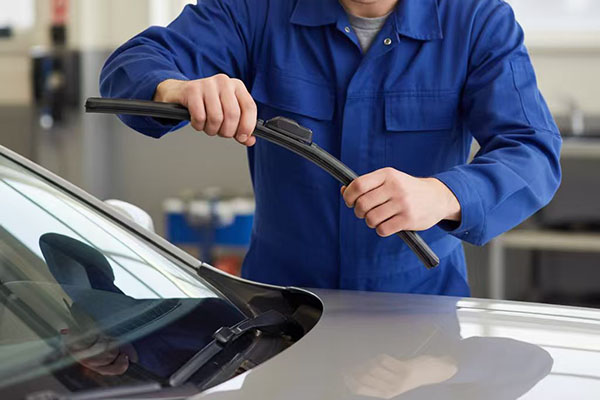
Pre-Season Replace
Prevention Logic
Old blades may work fine on mild, dry days with light wiping needs. But in heavy storms, they often fail when you need perfect visibility most. That’s when streaks or skips become dangerous, increasing stopping distance and accident risk.
Rainy Season Prep
With heavy rain or monsoon season approaching, replace blades proactively before the first big storm hits. New blades ensure no smear surprises, providing crystal-clear vision exactly when roads are slickest and visibility is critical.
Winter Prep
Cold temperatures harden old rubber quickly, making it brittle and prone to cracking. Ice and snow stick easily to worn blades, reducing effectiveness. Install fresh blades before winter arrives to stay ready for freezing conditions and sudden storms.
Risk of Waiting
“Bad later” thinking. Storm comes early. Visibility zero.
| Season | Replace Before | Risk of Wait |
|---|---|---|
| Rainy/monsoon | Yes | Sudden blind |
| Winter/snow | Yes | Ice stick |
| Mild spring | Optional | Low risk |
This table plans stock peaks.
My Storm Stuck
Waited too long. Rain trapped me. New rule: season prep always.
Fleet Season
Replace all before winter. No emergency calls.
Prep wins. Let’s conclude.
Conclusion
Replace wipers at early signs or before seasons. Check climate and performance. Clear, safe vision every drive.
Frequently Asked Questions About Replacing Wiper Blades
How often replace wipers?
Replace every 6–12 months. In hot climates, change at 6 months. Mild areas can go to 12 months for optimal performance.
Streaks mean replace?
Yes, if streaks persist after thorough cleaning. It’s an early warning sign of worn rubber that needs immediate replacement.
Noise always mean new blades?
No. Clean blades and glass first to remove dirt. If noise continues, then it’s time to replace the blades.
Visual OK but wipe bad?
Yes, very common. Rubber looks fine but has lost internal flexibility. Poor wiping means replacement is necessary now.
Best time replace?
Replace before rainy season or winter starts. Proactive change ensures clear visibility when you need it most.
Both blades same time?
Yes, always replace both together. This ensures even pressure, balanced wiping, and consistent clear visibility.
Silicone last longer?
Yes. Silicone blades last 18–24 months, especially in heat. They resist UV damage better than standard rubber.
Rear wiper too?
Yes. Rear wipers show the same wear signs. Inspect and replace them at the same time as front blades.
Wrong size danger?
Yes. Wrong size misses spots on glass and causes noise. It reduces visibility and increases safety risks.
ADAS cars need sooner?
Yes. Streaky blades blind cameras and sensors in ADAS vehicles. Replace sooner to maintain advanced safety features.

--- END ---
Related Blogs


