
Seasonal Inventory Planning for Aftermarket Wholesalers: Winter to Spring Transition Stocking Model
Mar 20, 2026
March 2026 is the perfect window. Winter is over in most markets. Snow blades sit on shelves, tying up cash. Rain season is weeks away. Distributors who wait lose money twice: holding dead winter stock and missing fast-moving rain demand.
The hidden cost? Carrying slow-moving winter wipers past February burns cash flow and shelf space. Meanwhile, rain blades (beam, hybrid, silicone) sell out fast in April–June. Get the transition right and you boost turnover 40–60%, protect margins, and capture peak season sales.
Topex helps wholesalers navigate this shift with fast lead times, dual-line options (economy conventional + premium beam/silicone), low MOQ, and accurate fitment data. This guide shows how to clear winter inventory now and stock smart for spring 2026.
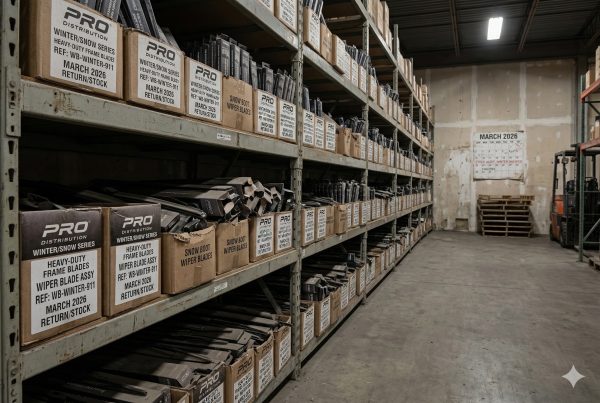
March reality: winter blades tie up capital while rain demand ramps up
The Hidden Costs of Carrying Winter Wiper Stock Too Long in March 2026
Holding winter-specific blades (snow boots, heavy-duty frames) into March is expensive.
- Capital Tied Up — Every $10,000 in slow-moving stock means $10,000 you can’t use for fast sellers. Opportunity cost hits hard in peak transition.
- Storage & Handling Fees — Warehouse rent, insurance, and labor add 1–3% monthly. Three extra months = 3–9% pure loss.
- Obsolescence Risk — Next winter’s designs change. Old stock becomes dead inventory or clearance bait.
- Cash Flow Strain — Money locked in winter blades delays new purchases. You miss early rain-season orders.
- Discount Pressure — Forced clearances in April cut margins 20–40% to move stock.
Data from aftermarket reports: wholesalers holding seasonal auto parts past peak lose 25–45% of potential profit due to dead stock. March is the tipping point — act now or bleed cash.

Winter stock drag: capital locked while spring demand surges
Winter to Spring Transition: How to Clear Old Stock & Avoid Dead Inventory Losses
Clear winter inventory fast to free cash and space.
- Early Discount Promotions — Run 20–40% off bundles in March. Pair snow blades with all-season or rain refills. Move stock before April.
- Bundle Sales — Offer winter + rain kits. “Buy snow set, get rain blade 30% off.” Customers upgrade early.
- Liquidation Channels — Sell excess to discount retailers, auto repair chains, or online marketplaces. Better than writing off.
- Trade-In Programs — Offer credit for old stock when buying new rain blades. Turns dead inventory into new sales.
- Accurate Forecasting — Use last year’s sell-through + weather trends to set clearance targets.
Distributors who clear 70–80% of winter stock by mid-March report 35–50% better cash flow for spring buys. Topex fast lead times (25–35 days) let you replenish rain SKUs quickly after clearance.
Rain-Season Demand Forecast: Which Wiper Types & SKUs Will Sell Fastest in 2026
Spring rain demand surges April–June. Stock these winners early.
- Beam/Flat Blades — Fastest growth. Aerodynamic, streak-free in rain. Premium pricing. 30–40% of spring sales.
- Hybrid Blades — All-weather balance. High margin. Popular in mixed climates. 25–35% share.
- Silicone Blades — Long life, quiet, water-repellent. Premium segment. 20–30% of high-end demand.
- Multi-Fit Economy Conventional — Budget replacement. Volume driver. 20–25% of entry-level sales.
Forecast data: rain-related wiper sales spike 50–80% in Q2 vs. winter. Beam/hybrid/silicone see 2–3x growth over conventional.
Topex offers fast restock on all lines with applicable models PDF for accurate planning.

Q2 2026 forecast: beam, hybrid, silicone lead spring sales surge
Dual-Line Strategy: Balancing Economy & Premium Blades for Maximum Margin in Transition
Don’t choose one line — run both for max profit.
- Economy Line (Conventional) — Low-cost metal frames. High volume. Quick turnover. 18–28% margins.
- Premium Line (Beam/Hybrid/Silicone) — Higher price points. 35–55% margins. Lower volume but higher profit per unit.
Strategy:
- Stock 60% economy for budget buyers.
- 40% premium for quality-focused customers.
- Use low MOQ to test new colors or custom packaging on premium side.
Topex dual-line advantage:
- Same factory, same quality base.
- Economy series for price-sensitive markets.
- Premium silicone/beam for high-margin sales.
- Fast lead times keep both lines in stock.
Distributors using dual-line report 40%+ average margin lift vs. single-line.

Dual-line strategy: balance volume and high-margin premium for max profit
Action Plan: Build Your 2026 Spring Stock Model with Topex in 24 Hours
March is the moment. Clear winter. Stock rain winners. Protect margins.
Steps:
- Audit current winter stock — identify clearance SKUs.
- Forecast spring demand — focus beam, hybrid, silicone.
- Plan dual-line mix — economy for volume, premium for margin.
- Send Topex your targets — get free stock recommendation.
In 24 hours:
- Personalized spring stocking model
- Clearance & restock pricing
- Fitment audit + sample policy
No commitment. Just better planning.
Chat on WhatsApp now. Peak season inventory slots fill fast — secure your supply and margins today!
FAQ
When should I start clearing winter wiper stock?
March 2026 is ideal — before rain demand spikes and winter blades become dead stock.
Which wiper types sell fastest in spring 2026?
Beam, hybrid, and silicone lead. Economy conventional for budget volume.
How does dual-line stocking improve margins?
Economy for turnover + premium for high profit per unit = 40%+ average margin lift.
Can Topex help with stock planning and fitment?
Yes — free audit, recommendations, and applicable models PDF.
How fast can Topex deliver spring restock?
25–35 days standard, faster expedited options available.
More resources: Wiper Blade Category | Snow Wiper Blades | Silicone Wiper Blades
External: Seasonal Inventory Management Tips

--- END ---


