
Top Rear Wiper Assembly Issues and Fixes for Fleet Operators
May 08, 2026
Your fleet bus or truck comes back to the yard again with the rear wiper not working. Drivers report poor visibility in rain. Maintenance costs keep rising. Unplanned downtime is hurting your schedule and your bottom line.
Rear wiper assembly failures cause frequent downtime, higher maintenance costs, and safety risks for fleet operators. Understanding the most common issues and proven fixes helps you reduce comebacks and keep vehicles on the road longer.

You now see why rear wiper problems matter more than most people realize. Let’s examine the biggest pain points fleet operators face, the common traps that waste time and money, a practical step-by-step guide to diagnose and fix issues, why Topex solutions deliver superior results, and the action you should take today.
Fleet Operators’ Biggest Rear Wiper Assembly Pain Points in 2026?
Fleet operators deal with rear wiper failures almost daily. The rear window is critical for safe reversing and maneuvering in tight spaces. When it fails, the whole vehicle is affected.
Fleet operators face high-frequency rear wiper failures, unexpected downtime, rising repair costs, safety risks during reversing, and constant pressure on maintenance budgets. These issues directly impact operational efficiency and profitability in 2026.
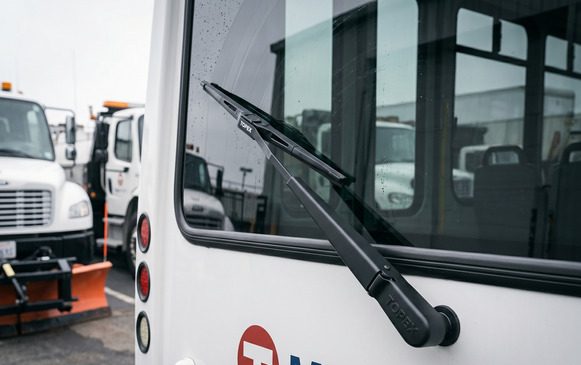
High Frequency of Failures
Rear wiper assemblies work in harsh conditions with constant exposure to road spray, salt, and debris. This leads to more frequent breakdowns than front wipers.
Costly Downtime
A single bus or truck out of service for rear wiper repair means lost revenue and disrupted schedules. In large fleets, this multiplies quickly.
Safety Risks
Poor rear visibility during reversing increases accident risk in busy yards or on the road. Insurance claims and liability concerns rise.
Maintenance Budget Pressure
Frequent replacements and repairs strain already tight budgets. Parts and labor costs add up faster than expected.
Driver Complaints
Drivers report frustration with unreliable rear wipers. This affects morale and can lead to higher turnover in competitive labor markets.
| Pain Point | Impact on Fleet Operations | Real Cost |
|---|---|---|
| High failure frequency | More vehicles out of service | Lost revenue |
| Downtime | Disrupted schedules | Operational delays |
| Safety risks | Higher accident potential | Insurance and liability |
| Budget pressure | Increased maintenance spend | Reduced profitability |
This table shows why rear wiper issues are a serious operational challenge for fleets. Many operators accept these problems as normal. They do not have to be.
My Fleet Partner Experience
One large bus operator told me rear wiper failures were their second highest maintenance complaint. After implementing better solutions, they reduced related downtime by over 60%.
Commercial Fleet Feedback
Truck fleet managers report that rear visibility problems cause more close calls during loading and unloading than any other single component issue.
Pain points are significant. Let’s look at the common traps that make them worse.
Common Traps That Waste Fleet Time and Money on Rear Wiper Repairs?
Fleet maintenance teams often fall into the same traps when dealing with rear wiper problems. These mistakes seem minor but create big expenses.
Common traps include incorrect diagnosis, using the wrong replacement parts, ignoring linkage and motor issues, and relying on temporary fixes. These errors lead to repeated failures and unnecessary costs.
Incorrect Diagnosis
Technicians often replace only the blade when the real problem is the arm, linkage, or motor. The issue returns quickly.
Using Wrong Replacement Parts
Choosing incompatible adapters or low-quality components causes immediate fit problems and short service life.
Ignoring Linkage and Motor Problems
Worn linkage joints or weak motors cause uneven movement. Replacing only the blade does not solve the root cause.
Temporary Fixes
Using tape or makeshift repairs might work for a day but leads to bigger failures later and higher long-term costs.
Lack of Preventive Maintenance
Many fleets only react to failures instead of scheduling regular inspections. This reactive approach increases overall expense.
| Common Trap | Typical Result | Real Cost to Fleet |
|---|---|---|
| Wrong diagnosis | Repeated failures | Extra labor and parts |
| Incorrect parts | Immediate fit issues | High return rates |
| Ignoring motor/linkage | Ongoing poor performance | Safety risks |
| Temporary fixes | Bigger breakdowns later | Higher repair costs |
This table highlights the most expensive traps. Avoiding them improves efficiency and reduces costs significantly.
My Fleet Maintenance Story
A logistics fleet kept replacing rear blades every two weeks. The real issue was worn linkage. Once fixed properly, replacements dropped to once every six months.
Commercial Operator Lesson
A bus company relied on temporary fixes. One rear wiper failure caused a minor accident during reversing. Proper diagnosis and quality parts prevented future incidents.
Traps are costly. Let’s move to a practical guide.
Step-by-Step Practical Guide to Diagnose and Fix Rear Wiper Assembly Issues?
Fleet technicians need fast, reliable ways to diagnose and fix rear wiper problems. A clear process saves time and reduces errors.
Follow this step-by-step guide to diagnose and fix rear wiper assembly issues: inspect the blade, check the arm, test the linkage, evaluate the motor, and verify the washer system. This structured approach helps you fix problems correctly the first time.
Step 1: Inspect the Blade and Arm
Check for cracks, stiffness, or loose fit. Lift the arm and test movement. Look for corrosion or bending.
Step 2: Test Linkage Operation
Manually move the linkage. Listen for grinding or binding. Check for loose joints or worn bushings.
Step 3: Evaluate the Motor
Listen for unusual noise. Check speed and stopping position. Use a scan tool if the vehicle has electronic controls.
Step 4: Verify Washer System
Test spray pattern and pressure. Clean or replace clogged nozzles. Check pump operation.
Step 5: Reassemble and Test
Install new parts with proper torque. Run full test cycle with washer fluid. Confirm smooth, quiet operation.
| Step | Key Check | Common Fix |
|---|---|---|
| Blade and arm inspection | Cracks, looseness, corrosion | Replace blade or arm |
| Linkage test | Binding or loose joints | Lubricate or replace |
| Motor evaluation | Noise or slow movement | Replace motor |
| Washer system check | Spray pattern and pressure | Clean nozzles or pump |
This table gives technicians a clear diagnostic roadmap. Follow it consistently for best results.
My Fleet Repair Guide Experience
We trained a large fleet’s technicians using this exact process. Average repair time dropped by 40% and repeat issues decreased significantly.
Practical Checklist for Fleet Shops
Keep a laminated checklist at each bay. It ensures nothing is missed and helps new technicians learn faster.
Guide complete. Topex advantage next.
Why TOPEX Rear Wiper Solutions Deliver Superior Durability and Fleet Efficiency?
Fleet operators need reliable rear wiper solutions that withstand heavy use and reduce maintenance frequency.
Topex rear wiper solutions feature multi-fit adapters, corrosion-resistant materials, reinforced linkage, and durable motors designed specifically for fleet duty cycles. They reduce downtime and simplify inventory.
Multi-Fit Adapter System
Topex adapters cover multiple arm types. This reduces SKU count and makes stocking easier for mixed fleets.
Corrosion-Resistant Construction
Heavy-duty materials resist road salt and moisture. This extends service life in harsh operating environments.
Reinforced Linkage and Motors
Stronger components handle frequent use. Fewer failures mean less downtime and lower repair costs.
Fast Installation Design
Pre-assembled kits and clear instructions speed up repairs. Technicians finish jobs faster.
Fleet-Specific Support
Topex provides bulk pricing, technical guides, and fast response. This helps fleets maintain efficiency.
| Topex Fleet Advantage | Benefit for Operators | Real Impact |
|---|---|---|
| Multi-fit adapters | Fewer SKUs | Simplified inventory |
| Corrosion resistance | Longer life in harsh conditions | Reduced replacements |
| Reinforced components | Handles heavy use | Less downtime |
| Fast installation | Quicker repairs | Higher efficiency |
This table shows why Topex delivers superior fleet efficiency. Real-world durability you can count on.
My Fleet Partnership Story
One large trucking fleet switched to Topex rear wiper solutions. Rear wiper-related downtime dropped by 55% within six months.
Commercial Fleet Feedback
Bus and truck fleet managers appreciate the multi-fit design and durability. Maintenance schedules are easier to manage and costs are lower.
Topex solutions stand out. Time to take action.
Take Action: Upgrade Your Fleet’s Rear Wiper Systems Today?
Fleet reliability depends on every component working when needed. Rear wiper issues should not be the weak link in your operation.
Take action today. Upgrade your fleet’s rear wiper systems with Topex solutions. Request bulk pricing, free samples, and expert advice to reduce downtime and maintenance costs.
Get Bulk Fleet Pricing & Free Samples from TOPEX
Trusted by fleets across 80+ countries • Low MOQ available • Fast response within 24 hours
Conclusion
Rear wiper assembly failures might seem like minor annoyances, but for fleet operators they translate directly into unplanned downtime, higher maintenance costs, safety risks, and dissatisfied drivers. In 2026’s demanding operating environments — from urban buses to long-haul trucks — proactive management of rear wiper systems is no longer optional. By understanding the root causes, avoiding common pitfalls, and choosing components engineered for heavy-duty use, fleets can significantly reduce service interruptions and protect their bottom line. TOPEX delivers the reliability fleets need to keep vehicles on the road longer with fewer headaches.
Frequently Asked Questions About Rear Wiper Assembly Issues
What are the most common reasons rear wiper assemblies fail in fleet vehicles like buses and trucks?
The most common reasons are worn linkage joints, corroded arms, failing motors, and incompatible adapters. Heavy use and road salt accelerate these problems.
How often should fleet operators inspect or replace rear wiper components?
Inspect every 3 months or 10,000 miles. Replace blades every 6–12 months and arms/linkage every 2–3 years depending on usage and climate.
Can using the wrong wiper arm type cause damage to the motor or linkage?
Yes. Incorrect adapters cause excessive stress on the motor and linkage. This leads to premature failure and higher repair costs.
What’s the difference between standard and heavy-duty rear wiper solutions for commercial fleets?
Heavy-duty solutions use stronger materials, corrosion-resistant coatings, and reinforced components designed for high-cycle fleet use. Standard parts wear out faster.
How do I diagnose if the problem is the blade, arm, linkage, or motor?
Start with visual inspection of the blade and arm. Test linkage movement manually. Check motor operation with a scan tool or direct power test.
Does TOPEX offer multi-fit adapters that reduce inventory for mixed fleets?
Yes. Topex multi-fit adapters cover multiple arm types with one solution. This reduces SKUs while maintaining high compatibility across different vehicles.

--- END ---


