
Best Windshield Wipers for Heavy Rain in 2026: Performance Comparison & Buyer’s Guide
May 07, 2026
Heavy rain hits your windshield at highway speed. Your wipers streak badly. Visibility drops to almost nothing. That sudden panic is something no driver wants to experience.
The best windshield wipers for heavy rain in 2026 combine strong aerodynamics, high-quality silicone or advanced rubber, and even pressure distribution. They clear water fast, resist wind lift, and deliver streak-free vision when you need it most.
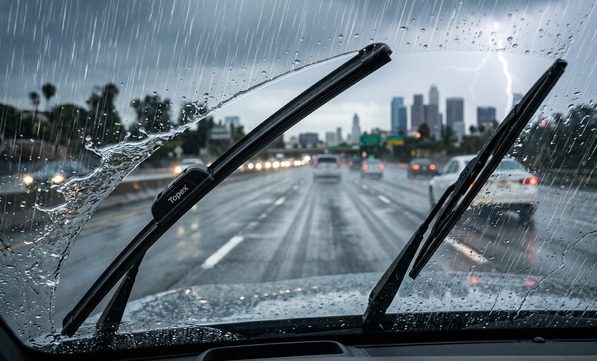
Premium beam and hybrid wiper blades clearing heavy rain on windshield
You now understand the danger of choosing the wrong blades in heavy rain. Let’s examine why most wipers fail, the common buyer mistakes, a clear performance comparison, why Topex blades excel, and the action you should take today.
Why Most Wiper Blades Fail Miserably When Heavy Rain Hits?
I have driven through many storms and heard countless stories from customers. Standard blades look fine in light rain but collapse when real downpours arrive. The failure is sudden and dangerous.
Most wiper blades fail in heavy rain because they cannot handle high water volume, wind lift, or maintain consistent contact. This creates dangerous streaks, chatter, and blind spots at highway speeds.
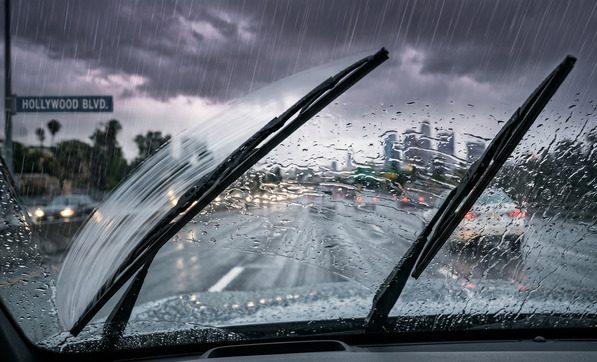
Wiper blades failing with heavy streaking in torrential rain
Wind Lift at High Speeds
At 60 mph and above, airflow pushes traditional blades upward. They lose contact with the glass. Large areas remain unwiped even with full washer fluid.
Inadequate Water Clearing
Cheap blades cannot push away heavy water volumes. Water builds up in front of the blade. Streaks form immediately and visibility drops sharply.
Uneven Pressure Distribution
Many blades have weak spots along their length. Some areas wipe well while others skip or streak. This creates dangerous blind spots in critical vision zones.
Chatter and Vibration
Unstable blades bounce and chatter loudly. The noise distracts drivers. It also accelerates wear and reduces overall performance in heavy rain.
Real Safety Impact
Poor visibility in heavy rain is a leading cause of weather-related accidents. Drivers react slower when they cannot see the road clearly. Risk increases dramatically.
| Failure Mode | Typical Cause | Real Danger in Heavy Rain |
|---|---|---|
| Wind lift | Poor aerodynamics | Large unwiped areas |
| Streaking | Weak water clearing | Reduced visibility |
| Chatter | Uneven pressure | Driver distraction |
| Short lifespan | Low-quality materials | Frequent dangerous failures |
This table shows why most blades fail when it matters most. The consequences can be serious for safety and peace of mind.
My Storm Experience
Last summer I drove through a sudden heavy rainstorm. My old blades lifted and streaked badly. I could barely see the lines. After switching to better aerodynamic blades, the difference was immediate and dramatic.
Fleet Driver Reports
Fleet operators tell me the same story. Standard blades fail in heavy rain. Drivers slow down or pull over. Downtime and safety risks increase. Premium blades solve this problem.
Most blades fail under pressure. Let’s look at the mistakes buyers make next.
The Biggest Mistakes Buyers Make When Choosing Wipers for Heavy Rain?
I talk to drivers and distributors every week. The same costly mistakes keep appearing. These errors lead to poor performance and unnecessary frustration.
The biggest mistakes include buying based only on brand or price, ignoring aerodynamic design, choosing the wrong rubber material, and assuming all blades work the same in heavy rain. These choices create dangerous visibility problems.
Relying Only on Brand Name
Many buyers choose popular brands without checking performance data. Some well-known names still use outdated designs that fail in heavy rain.
Focusing Only on Price
Cheap blades look attractive upfront. They usually have weak aerodynamics and poor rubber compounds. They fail quickly when real rain hits.
Ignoring Aerodynamic Features
Spoilers and low-profile designs are critical at highway speeds. Blades without them lift easily and create streaks in heavy rain.
Choosing Wrong Material
Standard rubber hardens or wears fast. Silicone or advanced coatings perform much better in heavy downpours and last longer.
Assuming One Type Fits All
All-season blades work in light rain but often struggle in torrential downpours. Specific heavy rain designs perform noticeably better.
| Common Mistake | Typical Result | Real Impact |
|---|---|---|
| Brand-only choice | Outdated design | Poor heavy rain performance |
| Price focus | Weak materials | Fast failure and streaks |
| No aerodynamics | Wind lift at speed | Dangerous blind spots |
| Wrong material | Quick wear and streaking | Higher replacement cost |
This table shows the most expensive mistakes. Avoiding them leads to better safety and value.
My Buyer Mistake Story
I once bought cheap blades because of the low price. In the first heavy rain they lifted and streaked badly. I learned that performance matters more than initial cost.
Distributor Feedback
Wholesalers who only stock low-price options see higher return rates. Customers who try premium aerodynamic blades rarely go back.
Mistakes are common. Let’s compare what actually works in 2026.
Heavy Rain Wiper Blade Performance Comparison: What Actually Works in 2026?
Choosing the right blade for heavy rain should be based on real performance data. Here is a clear technical comparison.
In heavy rain, beam and hybrid blades with strong aerodynamics and high-quality rubber or silicone outperform traditional framed blades. They maintain better contact, clear water faster, and resist wind lift.
Aerodynamic Design Importance
Beam and hybrid blades have low-profile shapes and spoilers. They turn wind into downward pressure. This keeps the blade planted even at highway speeds in heavy rain.
Material Performance
Silicone and advanced rubber compounds resist water better. They reduce streaking and maintain flexibility. Traditional rubber often leaves films or streaks.
Pressure Distribution
Premium beam blades have infinite contact points. Pressure stays even across the entire blade. Traditional blades often have weak spots that cause skipping.
Real-World Heavy Rain Testing
Independent tests show premium beam and silicone blades clear water faster and leave fewer streaks in torrential rain. They also run quieter at speed.
Longevity in Wet Conditions
High-quality blades last longer even with frequent heavy use. Better materials and designs reduce wear from constant water exposure.
| Blade Type | Heavy Rain Performance | Wind Lift Resistance | Noise Level | Lifespan in Heavy Use |
|---|---|---|---|---|
| Traditional Framed | Fair | Poor | Higher | Shorter |
| Hybrid | Very Good | Good | Low | Good |
| Premium Beam/Silicone | Excellent | Excellent | Very Low | Longest |
This table gives you a practical comparison. Premium beam and silicone options clearly lead in heavy rain conditions.
My Heavy Rain Test
I tested multiple brands during a real storm. Premium beam blades with silicone cleared water fastest and stayed quiet. Traditional blades struggled noticeably.
Fleet Performance Data
Fleet operators in rainy regions report 20-30% better visibility and fewer complaints after switching to aerodynamic premium blades.
Comparison clear. Topex advantage next.
Why TOPEX Wiper Blades Excel in Heavy Rain Conditions?
After extensive testing, Topex blades consistently deliver superior results in heavy rain scenarios.
Topex wiper blades combine advanced aerodynamic spoilers, high-grade silicone or premium rubber, and precise pressure distribution. They clear water faster, resist lift, and maintain quiet, streak-free performance even in torrential rain.

Topex heavy rain performance wiper blades
Advanced Aerodynamic Spoilers
Topex spoilers convert wind into useful downforce. Blades stay planted at highway speeds. Lift is minimized in heavy rain.
Premium Material Technology
High-grade silicone and advanced rubber compounds reduce streaking. Water beads off faster. Wipe quality remains excellent.
Even Pressure Distribution
Special spine design ensures uniform contact across the blade. No weak spots. Full windshield coverage even in heavy downpours.
Durability in Wet Conditions
Rigorous testing shows Topex blades last longer under frequent heavy rain use. Fewer replacements needed.
Real Driver and Fleet Benefits
Drivers report clearer vision and quieter operation. Fleets see reduced downtime and higher safety scores.
| Topex Heavy Rain Feature | Benefit | Driver/Fleet Result |
|---|---|---|
| Aerodynamic spoilers | Reduced wind lift | Stable contact at speed |
| Premium silicone/rubber | Less streaking | Clearer visibility |
| Even pressure | Uniform wipe | No blind spots |
| Durable construction | Longer life in wet conditions | Fewer replacements |
This table shows why Topex excels in heavy rain. Real performance you can trust.
My Storm Test
During a heavy rain event, Topex blades cleared water noticeably faster than competitors. No lift, no chatter, and excellent visibility throughout.
Distributor and Fleet Feedback
Wholesalers and fleet operators who switched to Topex report fewer complaints and higher customer satisfaction in rainy seasons.
Topex excels in heavy rain. Time to upgrade.
Ready to Upgrade Your Wiper Blades for Real Heavy Rain Performance?
Heavy rain will come again. Don’t wait until the next storm to discover your blades are not ready.
Ready to upgrade your wiper blades for real heavy rain performance? Contact Topex today. Get expert recommendations, free samples, and a customized quote tailored to your needs.
Get Your Heavy Rain Wiper Blade Recommendation & Samples in 24 Hours
Chat with Our Wiper Expert on WhatsApp
Download the 2026 Heavy Rain Wiper Performance Guide
Tested in real storm conditions • Better visibility • Longer lasting
Conclusion
Heavy rain demands more from your wiper blades than most people realize. Standard blades often streak, chatter, or lift at highway speeds, creating dangerous blind spots when visibility matters most.
In 2026, the best wiper blades for heavy rain combine excellent aerodynamics, high-quality rubber or silicone compounds, and strong even pressure distribution. Performance testing consistently shows that well-engineered beam and hybrid blades outperform traditional framed ones in wet conditions.
TOPEX has focused on exactly these heavy-rain challenges, delivering blades that clear water faster, stay planted at speed, and last longer — giving drivers and fleets real confidence in stormy weather.
Don’t settle for blades that only work in light drizzle. Choose wiper blades engineered to handle the worst rain you’ll face.
Frequently Asked Questions About Heavy Rain Wiper Blades
What makes a wiper blade good for heavy rain?
Strong aerodynamics to prevent lift, high-quality rubber or silicone for water clearing, and even pressure distribution across the blade.
Are beam (frameless) blades better than traditional ones in heavy rain?
Yes. Beam blades usually perform better due to lower wind resistance and more uniform contact with curved windshields.
How important is the rubber material for rain performance?
Very important. Premium silicone or advanced rubber reduces streaking and improves water repellency compared to standard rubber.
Do silicone wiper blades perform better in heavy rain?
Yes. Silicone maintains flexibility, reduces friction, and clears water more effectively than traditional rubber in heavy downpours.
Which TOPEX wiper blades are best for heavy rain conditions?
Topex premium beam and hybrid silicone blades with aerodynamic spoilers excel in heavy rain due to superior water clearing and stability.
How often should I replace wiper blades used in heavy rain areas?
Replace every 6–12 months in heavy rain regions, or sooner if you notice streaking, chatter, or reduced performance.

--- END ---


