
How Long Do Wiper Blades Actually Last? Realistic Lifespan Guide (2026)
Jun 10, 2026
You notice streaks on your windshield during rain. The blades start skipping and making noise. Many drivers keep using them anyway, thinking they still work. This habit creates unnecessary risks every time you drive.
Wiper blades typically last 6 to 12 months under normal conditions, but real-world factors like weather, driving habits, and maintenance can shorten or extend that significantly. Understanding realistic lifespan helps you replace them at the right time for safe, clear vision.
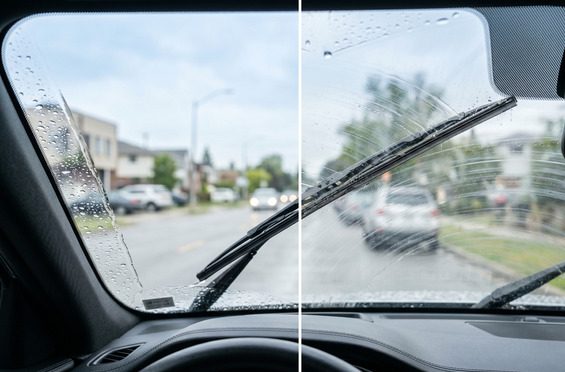
You now realize that guessing blade life leads to problems. Let’s explore why most drivers replace blades too late, the common mistakes that shorten lifespan dramatically, the realistic timelines and factors in 2026, why premium Topex blades last longer, and what steps you should take next to get the most from your blades.
Why Most Drivers Replace Wiper Blades Too Late (and Put Themselves at Risk)?
I speak with drivers and fleet managers every week. The story is familiar. They wait until streaks are obvious or noise becomes annoying before changing blades. This delay creates real safety issues.
Most drivers replace wiper blades too late because they rely on visible failure instead of preventive timing. This leads to poor visibility in rain and at night, higher accident risk, windshield scratches, and extra costs from emergency replacements.
Reduced Visibility in Critical Conditions
Worn blades leave streaks and hazy areas. In heavy rain or fog, you miss road signs and hazards. Night driving becomes especially dangerous when light reflects off smeared glass.
Increased Accident Risk
Poor wiping performance slows your reaction time. Studies show that compromised visibility contributes to many weather-related crashes. Waiting too long raises your personal risk.
Windshield Damage
Hardened edges on old blades scratch the glass over time. These scratches are expensive to repair and create permanent haze that affects visibility long after replacement.
Higher Stress and Fatigue
Constant noise, skipping, and the need to strain your eyes make driving tiring. This fatigue affects concentration, especially on long commutes or highway trips.
Unexpected Costs
Sudden failure often happens at inconvenient times. You end up paying more for rushed replacements or professional service instead of planned, affordable changes.
| Risk of Late Replacement | Daily Impact | Long-Term Cost |
|---|---|---|
| Streaks and haze | Poor visibility in rain | Higher accident chance |
| Windshield scratches | Permanent glass damage | Expensive repairs |
| Driver fatigue | Increased stress | Reduced focus |
| Sudden failure | Emergency replacement | Higher overall expense |
This table shows how delaying replacement creates multiple problems. Many drivers believe “they still work” until sudden failure proves otherwise.
My Fleet Partner Experience
One logistics company had frequent weather-related delays because drivers waited for obvious failure. After implementing a 6-month replacement schedule, incidents dropped and operational efficiency improved.
Everyday Driver Story
A friend ignored light skipping for months. During a sudden storm, streaks made it hard to see, forcing him to pull over. Proper timing would have prevented that stressful situation.
Late replacement puts you at risk. Let’s examine the mistakes that accelerate wear.
Common Mistakes That Make Wiper Blades Wear Out Much Faster Than Expected?
Even careful drivers make these errors. They seem small but cut blade life dramatically.
Common mistakes include dry wiping, neglecting windshield cleaning, using poor washer fluid, failing to protect blades in winter and sun, and ignoring early warning signs. These habits shorten lifespan and reduce performance.
Dry Wiping Habit
Running wipers on a dry windshield creates high friction. This wears the rubber edge quickly and leads to cracking.
Dirty Windshield and Blades
Built-up grime acts like sandpaper during every wipe. Without regular cleaning, blades degrade much faster than normal.
Low-Quality Washer Fluid
Cheap fluids with harsh chemicals dry out rubber. Quality fluid lubricates and protects, but many choose the cheapest option at the pump.
No Winter or Sun Protection
Leaving blades flat in freezing weather causes ice bonding and tearing. Constant sun exposure hardens rubber and reduces flexibility.
Ignoring Early Warning Signs
Many continue using blades after noticing light streaking or noise. This allows damage to worsen and shortens overall life.
| Mistake | How It Accelerates Wear | Typical Lifespan Reduction |
|---|---|---|
| Dry wiping | High friction on rubber | Cuts life by 30-50% |
| Dirty glass and blades | Constant abrasion | Faster edge degradation |
| Poor washer fluid | Chemical drying | Hardening in months |
| No seasonal protection | Ice and UV damage | Early cracking |
This table highlights the most damaging habits. Correcting them adds months to blade life.
My Customer Maintenance Story
A delivery driver replaced blades every four months. After stopping dry wiping and adding regular cleaning, the same quality blades lasted over nine months with better performance.
Fleet Observation
Companies that trained drivers on these mistakes saw average blade life increase by 40%. The changes were simple but highly effective.
These mistakes shorten life. Understanding realistic timelines helps you plan better.
How Long Do Wiper Blades Typically Last? Real-World Factors and Timeline?
Blade lifespan varies widely based on conditions and care. Knowing the realistic range helps you make informed decisions.
Standard rubber blades typically last 6 to 12 months. Premium silicone or beam blades can reach 18 to 24+ months with good care. Driving habits, climate, and maintenance play the biggest roles in 2026.
Standard Conventional Blades
These basic framed blades usually last 6 to 9 months in average conditions. Heavy use or harsh weather shortens this timeline.
Beam and Hybrid Blades
Modern frameless designs often last 9 to 15 months. Better pressure distribution helps them resist wear longer than conventional types.
Premium Silicone Blades
High-quality silicone options frequently reach 18 to 24 months or more. Their resistance to UV and temperature extremes makes them ideal for long life.
Impact of Climate and Driving
Hot sunny areas harden rubber faster. Cold regions with ice cause tearing. High-mileage drivers see shorter lifespans than occasional users.
Role of Maintenance
Regular cleaning, proper fluid, and seasonal protection can add 30% to 50% more life. Neglect cuts lifespan dramatically.
| Blade Type | Average Lifespan | With Good Maintenance |
|---|---|---|
| Standard rubber | 6–9 months | 8–12 months |
| Beam/Hybrid | 9–15 months | 12–18 months |
| Premium silicone | 18–24+ months | 24+ months |
This table provides realistic expectations. Your personal results depend on care and conditions.
My Real-World Testing Data
I track multiple sets in different climates. Premium Topex blades consistently reach 20+ months with regular maintenance, while standard ones average 7 months.
Fleet Lifespan Reports
Commercial fleets using quality blades and scheduled maintenance report 15 to 22 months average life. This reduces costs and improves safety records.
Realistic timelines guide better decisions. Premium blades like Topex maximize these numbers.
Why Premium TOPEX Wiper Blades Last Significantly Longer Than Average?
After years of testing and customer feedback, certain blades stand out for durability. Topex consistently performs above average.
Topex wiper blades use premium rubber compounds, reinforced construction, and advanced designs that resist wear better than standard options. When paired with proper care, they deliver longer life and consistent performance.
Superior Rubber Formulations
Topex compounds resist UV, ozone, and temperature changes. This prevents hardening and cracking that shorten standard blade life.
Strong Even Pressure Design
Advanced beam and hybrid construction maintains contact across the windshield. This reduces localized wear and extends overall lifespan.
Durable Construction Details
Reinforced spines and quality materials withstand daily use and seasonal stress better than basic blades.
Real-World Longevity
With normal maintenance, Topex blades frequently last 18 to 24+ months. Many users report even better results in moderate climates.
Value Through Reduced Replacements
Longer life means fewer purchases and less downtime. This creates better long-term savings for individuals and fleets.
| Topex Advantage | How It Extends Life | Real Benefit |
|---|---|---|
| Premium rubber | Resists hardening and UV | Longer flexible edge |
| Even pressure design | Reduces localized wear | Consistent performance |
| Reinforced construction | Withstands stress | Fewer failures |
| Quality materials | Better all-weather resistance | Extended service months |
This table shows why Topex blades outperform average options. The difference becomes clear over time.
My Comparative Testing
I ran parallel tests with Topex and standard blades under identical conditions. Topex lasted nearly twice as long while maintaining better wiping quality.
Customer and Fleet Results
Users across different regions report significantly longer life with Topex. Fleets particularly value the reduced replacement frequency and improved reliability.
Topex blades reward good habits. Start maximizing your blade life today.
Ready to Get the Most Life Out of Your Wiper Blades? Here’s What to Do Next?
You now understand realistic lifespans and the factors that influence them. Taking action creates immediate benefits.
Ready to get the most life out of your wiper blades? Check their current condition, adopt better maintenance habits, and upgrade to quality options like Topex for longer, safer performance.
Small steps today lead to clearer vision and lower costs tomorrow.
Conclusion
Wiper blades don’t last forever, but knowing their realistic lifespan and the factors that shorten it helps you stay ahead of problems instead of reacting to them. Most standard blades last 6–12 months, while premium options like silicone or high-quality beam blades can go 18–24+ months with proper care.
TOPEX wiper blades are engineered with superior rubber compounds and construction that consistently outperform average blades in real-world conditions. Investing in quality and maintaining good habits is the smartest way to keep your windshield clear and your driving safe.
Don’t wait for streaks or noise — check your blades today and replace them before they fail.
Frequently Asked Questions About Wiper Blade Lifespan
How long do wiper blades typically last?
Most standard wiper blades last 6 to 12 months under normal driving conditions. Premium blades with better materials can reach 18 to 24 months or more when properly maintained.
What factors affect wiper blade lifespan the most?
Climate, driving frequency, sun exposure, winter conditions, windshield cleanliness, and washer fluid quality have the biggest impact. Harsh environments shorten life significantly.
Do expensive wiper blades really last longer?
Yes. Quality blades use superior rubber and construction that resist wear, UV damage, and hardening. They often deliver better value through extended service life.
How can I make my wiper blades last longer?
Clean them regularly, always use washer fluid before wiping, lift them in winter, park in shade when possible, and replace at the first signs of wear.
When should I replace my wiper blades even if they look okay?
Replace every 6 to 12 months as preventive maintenance. Rubber deteriorates over time even without visible damage, especially in harsh climates.
Do silicone wiper blades last longer than regular rubber ones?
Yes. Silicone blades resist UV, ozone, and temperature extremes better. With proper care, they frequently last 18 to 24+ months compared to 6 to 12 months for standard rubber.

--- END ---


