
Winter-Specific Wiper Blades: What to Look For in 2026 (Buying Guide)
Jul 14, 2026
You face a sudden snowstorm and your wipers freeze solid or leave streaks across the glass. Visibility drops fast and driving becomes dangerous. Many drivers discover too late that standard blades cannot handle real winter conditions.
Winter-specific wiper blades with heated elements, thicker rubber, and protective covers handle ice, snow, and freezing temperatures much better than regular or all-season blades. They maintain clear visibility, reduce streaks, and last longer in harsh winter weather.
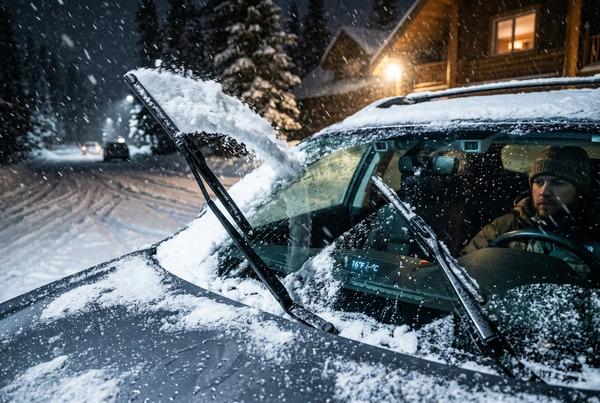
You now see why choosing the right winter blades matters for safety. Let’s explore why standard blades fail in winter, the common mistakes drivers make, the key features that actually work, the best options including TOPEX advantages, and your clear action plan for the coming season.
Why Standard Wiper Blades Fail You in Winter Conditions
Standard wiper blades use thin rubber and exposed metal frames. In freezing temperatures the rubber hardens and cracks. Snow and ice pack into the frame joints and freeze the blade to the glass. When you turn on the wipers they either skip across the windshield or tear the rubber.
I have seen this happen to many drivers every winter. A sudden freeze leaves the blades stuck. Drivers try to force them and end up with damaged blades or scratched glass. In heavy snow the blades push snow instead of clearing it, creating dangerous blind spots.
- Rubber hardens below freezing and loses flexibility
- Ice builds up in the frame and prevents smooth movement
- Blades freeze to the windshield overnight
- Streaking becomes constant in slush and salt
- Noise and vibration increase dramatically
| Problem with Standard Blades | Winter Effect | Safety Risk |
|---|---|---|
| Hardened rubber | Poor contact and streaking | Reduced visibility in snow |
| Ice buildup in frame | Blades stick or skip | Dangerous blind spots |
| Exposed metal parts | Corrosion from road salt | Faster wear and failure |
| Thin design | Cannot handle heavy snow load | Ineffective clearing |
These failures turn routine winter driving into a hazard. At TOPEX we hear the same stories every year from customers who used regular blades through their first real snowstorm.
Common Mistakes When Choosing Wiper Blades for Winter Driving
Many drivers keep using the same all-season or summer blades all year. Others buy the cheapest option without checking winter features. Some install the wrong size or skip maintenance until it is too late.
One big mistake is assuming any blade will work in winter. All-season blades lack the thicker rubber and protective covers needed for ice and snow. Another error is focusing only on price. Cheap blades often crack or lose performance quickly in sub-zero temperatures.
Drivers also forget to check fitment. Using the wrong length or adapter causes poor contact and early failure. Finally, many people wait until the first snow to buy winter blades instead of preparing in advance.
- Using summer or all-season blades in freezing weather
- Choosing based only on price without winter features
- Ignoring correct size and adapter type
- Skipping seasonal maintenance like cleaning and lifting blades
- Waiting until winter hits instead of planning ahead
| Mistake | Consequence | Better Approach |
|---|---|---|
| Using all-season blades | Ice buildup and streaking | Switch to winter-specific |
| Buying cheapest option | Quick cracking and failure | Choose quality with winter features |
| Wrong size or fit | Poor contact and skipping | Verify exact vehicle fitment |
| No seasonal prep | Frozen blades on first snow | Install and test before winter |
Avoiding these mistakes saves time, money, and stress. At TOPEX we always recommend preparing early so drivers are ready when winter arrives.
Key Features to Look For in Winter-Specific Wiper Blades
Winter blades need thicker rubber compounds that stay flexible in cold. Heated versions melt ice and snow directly on the blade and windshield. Protective snow covers or boots prevent ice from packing into the mechanism. Beam or low-profile designs reduce snow accumulation compared to traditional frames.
Look for blades rated for sub-zero temperatures. Reinforced spines and durable materials resist cracking from repeated freezing and thawing. Good winter blades also include easy-to-use adapters for quick seasonal swaps.
- Heated elements that melt ice quickly
- Thicker, cold-resistant rubber for flexibility
- Protective covers or boots to block snow and ice
- Aerodynamic or beam-style designs for better contact
- High-quality materials that resist salt corrosion
| Feature | Benefit in Winter | Why It Matters |
|---|---|---|
| Heated function | Melts ice and snow on blade | Fast clear visibility |
| Thicker rubber | Stays flexible in freezing temps | Consistent wiping performance |
| Snow/ice cover or boot | Prevents buildup in frame | Smooth operation without sticking |
| Beam or low-profile design | Less snow accumulation | Better contact on curved glass |
| Reinforced construction | Resists cracking and wear | Longer lifespan in harsh conditions |
These features work together to keep your windshield clear when you need it most. At TOPEX our winter blades combine several of these elements for reliable cold-weather performance.
Best Winter Wiper Blade Recommendations and TOPEX Advantages
For most drivers in cold climates, heated beam-style or hybrid winter blades give the best results. They combine flexibility with structural support and clear snow and ice effectively. Look for brands that test in real winter conditions rather than just marketing claims.
TOPEX winter-specific blades stand out with reinforced cold-resistant rubber, optional heated options, and durable protective designs. They maintain excellent contact on curved windshields and resist ice buildup better than many standard options. Customers report clearer visibility and fewer replacements after switching to our winter line.
Our snow and heated wiper blade options are built for real winter driving. You can explore them here: https://www.topexwiper.com/category/snow-wiper-blade/ and https://www.topexwiper.com/category/heated-wiper-blade/
- Heated beam blades for quick ice melting
- Reinforced hybrid designs for balanced performance
- TOPEX winter blades with strong cold-weather materials and easy fitment
| Blade Type | Best For | TOPEX Advantage |
|---|---|---|
| Heated beam | Severe ice and snow | Fast melt + reliable contact |
| Reinforced hybrid | Mixed winter conditions | Durability + good value |
| Standard winter with cover | Moderate cold climates | Protection without extra cost |
Choosing quality winter blades from a brand like TOPEX gives you performance you can trust when the weather turns bad.
Ready to Prepare for Winter Driving? Here’s Your Action Plan
Start by checking your current blades for cracks or hardening. Measure the exact length needed for your vehicle. Choose winter-specific blades with the features that match your climate, such as heated options if you face frequent ice.
Install them before the first freeze. Clean the windshield and arm connections thoroughly. Test the new blades with washer fluid right away. In winter, lift the blades off the glass when parked to prevent freezing. Clean them regularly to remove salt and debris.
- Check current blades for winter damage
- Select the correct size and winter features
- Install before cold weather arrives
- Lift blades when parked overnight
- Clean regularly during winter months
You can find our full winter and snow wiper blade selection here: https://www.topexwiper.com/wiper-blade/
Taking these steps now keeps you ready for whatever winter brings. Clear visibility makes every drive safer.
Conclusion
Winter-specific wiper blades are designed to handle snow, ice, and freezing temperatures far better than standard or all-season blades. Features like heated elements, thicker rubber, and protective covers make a significant difference in visibility and reliability during harsh winter conditions.
Choosing the right winter wiper blades helps prevent dangerous blind spots and reduces the need for frequent replacements. In 2026, investing in quality winter-specific blades is one of the smartest and most affordable ways to stay safe on the road.
Don’t wait for the first snowstorm. Prepare now with the right wiper blades for your vehicle and enjoy clearer, safer winter driving.
Frequently Asked Questions About Winter Wiper Blades
What makes winter-specific wiper blades different from regular ones?
Winter blades use thicker, cold-resistant rubber, protective covers or boots, and often heated elements. These features prevent ice buildup, maintain flexibility in freezing temperatures, and clear snow more effectively than standard blades.
Are heated wiper blades worth it for winter?
Yes for areas with frequent ice and freezing rain. Heated blades melt ice and snow directly on the blade and windshield, giving faster and more reliable clearing than non-heated options.
How do I choose the right winter wiper blades for my car?
Check your vehicle’s exact size and connector type. Look for winter-specific features like thicker rubber, protective covers, or heated elements. Choose quality brands that test in real cold conditions.
When should I switch to winter wiper blades?
Switch before the first hard freeze, usually in late fall. This prevents damage to regular blades and ensures you are ready when snow and ice arrive.
Can I use all-season blades in winter?
All-season blades can work in very mild winters but often fail in real snow and ice. They harden, accumulate ice, and streak badly. Dedicated winter blades perform much better in harsh conditions.
How long do winter-specific wiper blades last?
Quality winter blades typically last one full winter season with good care. Many drivers replace them seasonally because the harsh conditions accelerate wear even on good blades.

--- END ---


