
50-Piece MOQ Custom Color Wipers: How to Solve Wholesaler Inventory Pressure in 2026
Jul 30, 2026
You want to try a new color or private-label idea. The factory quotes 1,000 or 3,000 pieces minimum. You either walk away or lock up too much cash in stock that may not sell.
A true 50-piece MOQ for custom color wiper blades lets wholesalers test new colors and private-label concepts with minimal capital, reduce inventory risk, improve cash flow, and scale only what the market actually buys.
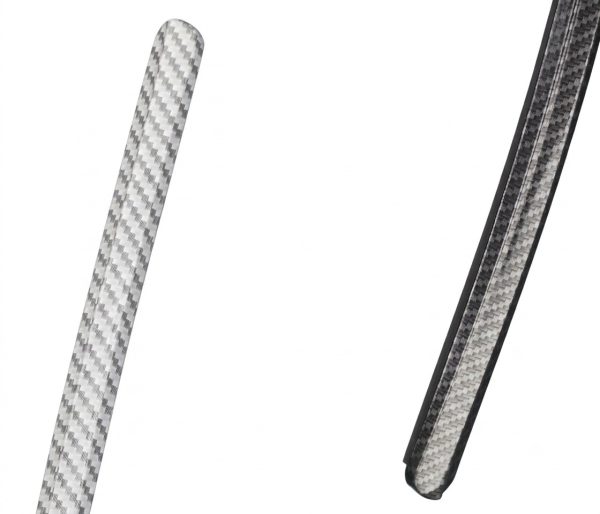
You now see a practical way to escape forced large orders. Let’s examine why high MOQ creates serious pressure, the common mistakes wholesalers make, how 50-piece custom color orders actually reduce risk, why the Topex approach works better, and your clear next step.
Why High MOQ Still Creates Serious Inventory Pressure for Wholesalers
I speak with importers and distributors every month. Many like the idea of custom colors or their own brand. The conversation often stops when the minimum order quantity appears.
High MOQ creates serious inventory pressure because it forces large capital commitments, raises the risk of slow-moving stock, tightens cash flow, and makes market testing expensive or impossible for most mid-sized wholesalers.
Capital Tied Up in Unsold Stock
A minimum of 1,000 or more pieces per color locks a significant amount of money into inventory. That capital cannot be used for other SKUs, marketing, or faster-moving products.
Elevated Risk of Dead Stock
If the chosen color or packaging does not sell as expected, the wholesaler is left with excess blades that are hard to move without deep discounts.
Cash-Flow Strain
Large forced orders reduce available working capital. Payments to suppliers go out long before sales come in, creating ongoing liquidity pressure.
High Cost of Experimentation
Trying a new color or private-label design becomes a major financial decision instead of a low-risk test. Many wholesalers simply avoid innovation.
Limited Ability to Respond to Market Feedback
When the first order is already very large, there is little room to adjust based on real customer response. The wholesaler is committed before the market has spoken.
| High-MOQ Problem | Immediate Effect | Business Impact |
|---|---|---|
| Large capital commitment | Cash locked in inventory | Reduced flexibility |
| Slow-moving risk | Potential dead stock | Margin loss on discounts |
| Tight cash flow | Less money for other needs | Operational stress |
| Expensive testing | Avoidance of new ideas | Stagnation in the line |
This table shows how high minimums keep many wholesalers cautious and capital-constrained. Flexibility is the missing piece.
My Wholesaler Conversation Pattern
A distributor told me he had wanted to test three colors for over a year. Every factory he contacted required quantities he could not justify. The opportunity stayed on hold while competitors continued with standard black blades.
Market Reality in 2026
Demand for differentiated and private-label products continues to grow, yet many factories still operate on high-volume assumptions. Wholesalers who cannot access low minimums remain stuck with limited options.
High MOQ is a structural problem. Most attempts to work around it create new difficulties.
Common Mistakes Wholesalers Make When Dealing with MOQ Requirements
Wholesalers try different ways to handle high minimums. Several approaches look reasonable but create hidden costs.
Common mistakes include accepting high MOQs against better judgment, over-ordering to “make the number work,” skipping small-scale tests, choosing suppliers only on unit price, and failing to plan for fast reorders after a successful trial.
Accepting High MOQs Out of Necessity
When every supplier quotes large minimums, some wholesalers proceed anyway. They hope the stock will move and end up carrying excess inventory for months.
Over-Ordering to Reach a Better Unit Price
Buyers sometimes increase the order beyond what they need so the per-piece cost looks acceptable. The lower unit price is offset by higher total capital risk.
Skipping Real Market Tests
Without a low-MOQ option, many skip testing altogether. They either stay with standard products or make large commitments based on assumptions rather than sales data.
Focusing Only on the Lowest Unit Cost
The cheapest quoted price often comes with the highest minimum. Total risk and cash impact receive less attention than the headline number.
No Plan for Quick Follow-Up Orders
Even when a small test is somehow arranged, some suppliers cannot replenish quickly. The wholesaler cannot capitalize on early success.
| Mistake | Typical Consequence | Better Approach |
|---|---|---|
| Accepting high MOQ | Excess inventory risk | Seek true low-MOQ partners |
| Over-ordering for price | More capital tied up | Calculate total exposure |
| No small tests | Decisions based on guesswork | Validate with limited runs |
| Unit-price focus only | Higher overall risk | Balance cost with flexibility |
This table highlights the most frequent errors. Avoiding them keeps inventory decisions under control.
My Observed Pattern
Wholesalers who repeatedly accepted high minimums often described the same outcome: cash tied up and slow-moving colors sitting in the warehouse. Those who found flexible suppliers moved faster and with less stress.
Practical Lesson
The real cost of an order includes the capital it locks and the risk it creates. Unit price is only one part of the equation.
Mistakes increase pressure. The right order quantity model removes much of that pressure.
How 50-Piece MOQ Custom Color Wipers Actually Reduce Inventory Risk
A genuine 50-piece minimum changes the economics of testing and stocking custom color blades.
A 50-piece MOQ reduces inventory risk by allowing small test orders, limiting capital exposure, enabling fast market feedback, improving cash-flow flexibility, and supporting quick reorders of only the colors that sell.
Small Tests Replace Large Gambles
Instead of committing to hundreds or thousands of pieces, the wholesaler can order 50 pieces of a new color. Real sales data appears before any larger decision.
Capital Stays Available
Far less money is locked in each trial. Working capital remains free for other products, marketing, or faster replenishment of proven sellers.
Faster Learning Cycle
Small shipments reach the market quickly. Customer reaction to color, packaging, and price becomes clear within a short period.
Lower Cost of Failure
If a color does not sell, the financial impact is limited to a small batch. The wholesaler can adjust or drop the idea without heavy losses.
Scalable Only After Proof
Successful colors can be reordered in larger quantities. The model supports growth based on actual demand rather than forecasts.
- Start with one or two colors that match your target customers.
- Place a 50-piece order to test sell-through and feedback.
- Measure how quickly the stock moves and what customers say.
- Reorder only the successful options in appropriate volumes.
- Keep standard black blades for the volume base while testing differentiation.
These steps turn inventory from a burden into a controlled experiment.
Cash-Flow Impact
Wholesalers who switch part of their custom activity to low-MOQ orders commonly report less money sitting in the warehouse and more ability to respond to new opportunities.
Speed Advantage
The time from idea to market feedback shrinks dramatically. Decisions become based on sales rather than hope.
The model works when the supplier can actually deliver 50-piece orders with consistent quality. That capability is still uncommon.
Why TOPEX 50pcs Custom Color Solution Works Better for Wholesalers
Many factories talk about flexibility. Few can support genuine 50-piece custom color orders while maintaining quality and reasonable lead times.
Topex 50-piece custom color solutions work better for wholesalers because they offer real low minimums, consistent quality on small runs, color customization options, and the ability to reorder quickly once a product proves itself.
Genuine Low Minimum Quantities
We support starting quantities that make real testing possible. Wholesalers can try new colors without the capital burden of traditional MOQs.
Quality Consistency on Small Batches
Production processes remain controlled even at lower volumes. The blades that arrive in a 50-piece order meet the same standards as larger runs.
Practical Color and Customization Options
Custom colors on proven blade platforms allow visual differentiation without requiring huge commitments. Packaging support is available as programs grow.
Fast and Reliable Reordering
Once a color sells, follow-up orders can be placed with confidence. The model only works if successful tests can be scaled without long delays.
Lower Overall Risk Profile
Wholesalers keep inventory lean, learn faster, and invest more capital only in proven items. The financial exposure stays manageable.
| Topex Advantage | Benefit for Wholesalers | Result |
|---|---|---|
| True 50-piece MOQ | Minimal test commitment | Low capital risk |
| Consistent small-run quality | Reliable product | Confidence in trials |
| Color customization | Visual differentiation | Better margin potential |
| Quick reorder capability | Ability to scale winners | Controlled growth |
This table summarizes the practical edges. Flexibility combined with reliability removes the usual barriers.
My Partnership Experience
Wholesalers who begin with 50-piece color tests often expand the successful ones and drop the rest. The process feels controlled rather than speculative. Cash flow remains healthier throughout.
Feedback Pattern
Partners value the ability to move from idea to small delivery without long negotiations or large deposits. They report faster decisions and less inventory stress.
Topex makes the low-MOQ model practical. The final step is using it.
Ready to Ease Your Inventory Pressure? Here’s the Practical Next Step
You understand the pressure created by high minimums, the common mistakes, how 50-piece orders reduce risk, and why the right supplier matters. The path forward is concrete.
Ready to ease your inventory pressure? Review your current slow-moving or high-capital SKUs, select one or two colors worth testing, and place a small 50-piece order to validate demand before any larger commitment.
Explore the available custom color options on the Topex custom color one-piece spoiler category. You can also review specific models such as the T-PRO-SC custom wiper blade and the T-PRO-HC custom hybrid for practical low-MOQ starting points.
Small controlled orders create the fastest route to leaner inventory and better cash flow.
Conclusion
High minimum order quantities remain one of the biggest sources of inventory pressure for wiper blade wholesalers. Large commitments tie up cash, increase the risk of slow-moving stock, and limit the ability to test new colors or private-label ideas.
A true 50-piece MOQ for custom color blades changes this dynamic. It allows wholesalers to validate demand with minimal capital, keep inventory lean, and scale only what sells. In 2026, flexibility is becoming a competitive advantage.
Don’t let high MOQ keep controlling your cash flow. Start with small custom color test orders and turn inventory pressure into controlled growth.
Frequently Asked Questions About 50-Piece MOQ Custom Color Wipers
Is 50 pcs a realistic MOQ for custom color wiper blades?
Yes when working with a supplier set up for flexible production. A genuine 50-piece minimum makes testing practical for most mid-sized wholesalers without excessive capital risk.
How does a 50-piece MOQ help reduce inventory and cash-flow pressure?
It limits the money tied up in each trial. Wholesalers can test colors or private-label ideas with far less capital and only increase orders after real sales appear.
Will unit cost be much higher at such a low MOQ?
Unit cost is usually higher than large-volume pricing. The total financial exposure and risk of dead stock are significantly lower, which often makes the overall economics better.
Can wholesalers reorder quickly after a successful small test?
The model works best when the supplier can support fast follow-up orders. Reliable reordering allows successful colors to be scaled without long delays.
Does low MOQ affect product quality or consistency?
Not with a capable partner. Quality systems can remain consistent on small runs so the blades meet the same standards as larger production batches.
What customization options are available at 50 pcs (color, logo, packaging)?
Color options are typically available at low MOQ. Logo and packaging customization may start at the same level or require slightly higher quantities depending on the specific requirements.

--- END ---


