
How One-Piece Spoiler Wiper Blades Eliminate High-Speed Lift-Off and Chatter
Aug 04, 2026
You drive in heavy rain at highway speed. Your wipers suddenly lift, skip, and chatter. Visibility drops exactly when you need it most. Many drivers accept this as normal. It is not.
One-piece spoiler wiper blades eliminate high-speed lift-off and chatter by turning oncoming airflow into consistent downforce and removing the weak points of multi-piece frames. The blade stays firmly pressed to the glass for quieter, clearer wiping at highway speeds.
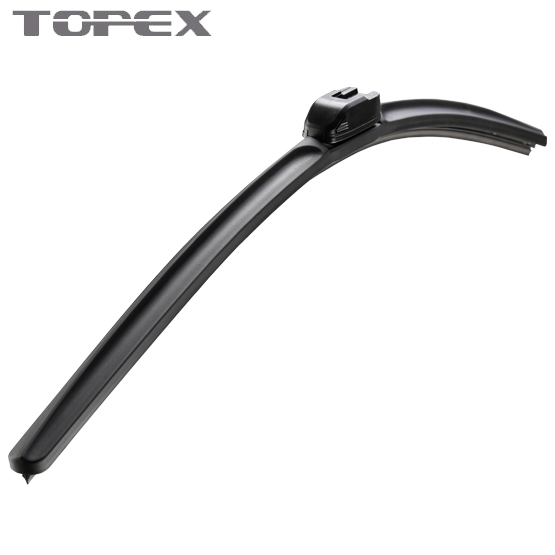
You now understand the problem is design, not just wear. Let’s examine why wipers fail exactly when you need them, the common traps that make ordinary blades worse at speed, how one-piece spoiler technology keeps the blade glued to the glass, the real performance differences versus traditional and hybrid designs, and how to choose and install the right blade for your vehicle.
Why Your Wipers Lift, Chatter, and Streak Exactly When You Need Them Most
I hear the same complaint from drivers and fleet operators. The blades work fine in city traffic. On the highway in rain they start to lift, skip, and make noise. Vision suffers at the worst moment.
Wipers lift, chatter, and streak at high speeds because airflow creates lift on the blade, contact pressure drops, and the rubber loses even contact with the glass. This reduces visibility and increases risk exactly when conditions are already difficult.
Aerodynamic Lift Takes Over
At higher speeds the air flowing over the blade creates a pressure difference. The blade begins to lift away from the glass. Contact becomes uneven and clearing fails in patches.
Chatter and Skipping Appear
When the rubber loses firm contact it starts to stick and release rapidly. The result is chatter, vibration through the arm, and an uneven wipe that leaves streaks.
Noise Increases Driver Distraction
The squeaking and thumping sound becomes constant. In heavy rain the noise adds to stress and pulls attention away from the road.
Modern Vehicle Design Makes It Worse
Cars are lower, faster, and have more curved windshields. Airflow is more complex. Older multi-piece blades were never designed for these conditions at sustained highway speeds.
Safety Margin Shrinks
Reduced vision in rain at speed shortens reaction time. What feels like a minor annoyance becomes a real safety issue on wet freeways.
| High-Speed Problem | What Happens | Driver Impact |
|---|---|---|
| Wind lift | Blade rises off glass | Unwiped areas |
| Loss of even pressure | Skipping and chatter | Streaks and noise |
| Complex airflow | Unstable contact | Reduced confidence |
| Curved modern glass | Incomplete coverage | Blind spots in rain |
This table shows why the failure appears precisely when speeds rise. The root cause is aerodynamic, not simple wear.
My Highway Experience
I have driven the same vehicle with ordinary blades and then with proper one-piece spoiler designs. The difference in heavy rain at 120 km/h is immediate. The ordinary blades begin to lift and chatter. The spoiler blades stay quiet and clear.
Fleet Driver Feedback
Long-haul drivers report that lift and chatter force them to slow down more than necessary. Better high-speed stability restores confidence and keeps schedules tighter.
The problem is clear. Most ordinary blades are not built to solve it.
The Common Traps That Make Ordinary Blades Fail at Highway Speeds
Many drivers and buyers choose blades based on price or brand familiarity. Those choices often make high-speed performance worse.
Common traps include multi-piece metal frames that flex and loosen, missing or incomplete spoilers that cannot generate downforce, uneven pressure from old-style structures, and rubber that separates from the frame under stress. These design weaknesses cause lift and chatter at highway speeds.
Multi-Piece Frames Flex and Loosen
Traditional blades use several metal bridges and joints. At speed the structure can bend or the joints can loosen. Contact pressure becomes uneven across the length of the blade.
Incomplete or Missing Spoiler Design
Many blades have only a small spoiler or none at all. Without a full-length aerodynamic surface the airflow creates lift instead of downforce. The blade rises off the glass.
Uneven Pressure Distribution
Older framed designs apply force at limited points. On curved modern windshields this leaves gaps. The rubber skips in the weaker zones and chatters.
Rubber and Frame Separation
Under repeated high-speed stress the rubber can shift or pull away from the metal frame. The wiping edge no longer tracks cleanly and noise increases.
Assuming All Beam Blades Are Equal
Some frameless blades still lack a proper full-length spoiler or stable spring structure. The beam shape alone is not enough if the aerodynamics and pressure system are weak.
| Trap | Result at High Speed | Why It Fails |
|---|---|---|
| Multi-piece metal frame | Flex and uneven contact | Joints and bridges move |
| Weak or partial spoiler | Lift instead of downforce | Airflow not controlled |
| Point-loaded pressure | Skipping on curved glass | Incomplete coverage |
| Rubber-frame separation | Chatter and edge failure | Structural weakness |
This table lists the most common design traps. Avoiding them requires a different construction approach.
My Buyer Observation
I have seen customers buy conventional framed blades because they were familiar. On the first highway trip in rain the lift and noise returned. Switching to a true one-piece spoiler design removed the problem.
Practical Lesson
Price and familiarity do not equal high-speed performance. The structure and aerodynamics decide whether the blade stays on the glass.
Traps explain why ordinary blades fail. The solution lies in how one-piece spoiler technology works.
How One-Piece Spoiler Technology Actually Works to Keep the Blade Glued to the Glass
The core idea is simple. Use the same airflow that tries to lift the blade and turn it into downward force while removing the parts that flex.
One-piece spoiler technology keeps the blade glued to the glass by using a full-length aerodynamic spoiler to convert airflow into downforce, a flexible one-piece housing that maintains even pressure, and a stable spring structure that eliminates the weak points of multi-piece frames.
Full-Length Spoiler Creates Downforce
The continuous spoiler runs along the entire blade. Oncoming air hits the shaped surface and generates a downward force. The faster the vehicle moves, the stronger the downforce becomes. This counters the natural lift.
One-Piece Elastic Housing Maintains Contour
Instead of multiple metal bridges, a single flexible housing follows the curve of the windshield. The structure stays consistent and does not develop loose joints at speed.
Dual-Spring or Distributed Pressure System
Internal springs apply force evenly along the full length. Contact remains uniform from one end of the blade to the other, even on modern curved glass.
Elimination of Flex Points
With no multi-piece frame there are fewer places for the blade to bend or rattle. The wiping edge tracks the glass more cleanly and chatter is reduced.
Material Support for Long-Term Stability
Quality rubber compounds and coatings keep the edge flexible and the surface smooth. The aerodynamic shape continues to work as the blade ages.
- The spoiler must run the full length for effective downforce.
- The housing should be a true one-piece design rather than a covered multi-piece frame.
- Even pressure distribution is essential for curved windshields.
- Stable materials keep the system working through the life of the blade.
- Proper fitment ensures the aerodynamics work as designed.
These elements work together. The result is a blade that presses harder against the glass as speed increases instead of lifting away.
Real-World Behavior
At city speeds the blade works like any good design. At highway speeds the spoiler becomes active and the contact stays firm. Drivers notice the difference most clearly in rain above 100 km/h.
Engineering Logic
Lift force rises roughly with the square of speed. A properly shaped full-length spoiler generates a matching downforce that grows in the same way. The net effect is stable contact across a wide speed range.
The technology is proven. The performance difference appears clearly when compared with older designs.
One-Piece Spoiler vs Traditional & Hybrid Blades: The Real Performance Differences
Side-by-side comparison shows where the advantage appears and how large it is.
One-piece spoiler blades outperform traditional framed and many hybrid designs in high-speed stability, noise control, even pressure, and long-term consistency. They stay in contact at speeds where multi-piece blades begin to lift and chatter.
High-Speed Stability
Traditional multi-piece blades often start to lift noticeably between 80 and 120 km/h. Quality one-piece spoiler designs maintain firm contact well beyond that range, with some stable to 160 km/h under test conditions.
Noise and Chatter
Fewer moving parts and even pressure reduce vibration. One-piece blades typically run quieter at speed. Traditional frames can rattle and amplify noise as joints loosen.
Contact Consistency on Curved Glass
The flexible one-piece structure follows modern windshield shapes more evenly. Traditional point-loaded frames leave weak zones that skip.
Durability Under Stress
Multi-piece frames can loosen or separate over time. One-piece housings and quality spring systems maintain their shape and force distribution longer.
Installation and After-Sales Impact
Secure, simple attachment and stable high-speed behavior reduce comebacks related to noise, streaking, and lift. This matters for both individual owners and fleet operators.
| Performance Area | One-Piece Spoiler | Traditional / Basic Hybrid |
|---|---|---|
| High-speed contact | Strong downforce, minimal lift | Lift and skip common |
| Noise at speed | Lower vibration and chatter | Higher rattle and squeak |
| Pressure distribution | Even across full length | Point-loaded, less even |
| Structural stability | No multi-piece flex points | Joints can loosen |
| Long-term consistency | Better shape retention | Gradual degradation |
This table summarizes the practical differences. The advantage grows as speed and rain intensity increase.
My Comparative Testing
I have run the same vehicle with traditional framed blades, basic beam blades, and true one-piece spoiler designs. In heavy rain at highway speeds the one-piece versions stay quiet and clear while the others begin to lift and chatter.
Owner and Fleet Results
Drivers report immediate improvement in confidence during wet highway driving. Fleets note fewer complaints about noise and visibility once they standardize on proper spoiler designs.
The performance gap is real. Choosing the right blade and installing it correctly captures the benefit.
How to Choose and Install the Right One-Piece Spoiler Wiper for Your Vehicle
The technology works only when the blade matches the vehicle and is installed properly.
To choose and install the right one-piece spoiler wiper, confirm full-length spoiler design, correct size and adapter fit, quality materials and construction, and follow simple installation and maintenance steps that protect performance.
Selection Points That Matter
Look for a true full-length one-piece spoiler rather than a partial cover. Verify the exact length for each side of your vehicle. Confirm the adapter matches your wiper arm type. Prefer proven rubber compounds and stable spring systems.
Size and Fitment Accuracy
Driver and passenger sides often differ. Using the wrong length creates gaps or interference. Always match the vehicle’s specified sizes.
Adapter Compatibility
Most modern one-piece blades come with multi-fit adapters. Ensure the connector seats fully and locks securely. A loose connection defeats the aerodynamic design.
Installation Best Practices
Lift the arm carefully and protect the glass. Remove the old blade completely. Align the new blade and click it firmly into place. Lower the arm gently and test with washer fluid at low and higher speeds.
Simple Maintenance That Protects Performance
Keep the glass and rubber edge clean. Avoid dry wiping. Replace both sides together when performance declines. Park in shade when possible to reduce UV stress.
- Confirm full-length spoiler and one-piece construction.
- Match exact sizes for both sides.
- Verify adapter lock and even seating.
- Test clearing and noise after installation.
- Maintain clean glass and rubber for full life.
These steps ensure the aerodynamic system works as designed.
My Installation Recommendation
I always clean the glass thoroughly before fitting new one-piece blades. A clean surface lets the even pressure and spoiler do their job from the first wipe.
Practical Buying Tip
When comparing options, prioritize verified high-speed stability and full-length spoiler design over minor price differences. The performance gain appears every time you drive in rain at speed.
For proven one-piece spoiler designs explore the Topex one-piece spoiler category. You can also review specific models such as the Topex T-PRO-F one-piece spoiler and the T-PRO-SC custom for options that combine aerodynamic stability with practical fitment.
Conclusion
High-speed lift-off and chatter are not inevitable—they are design problems. One-piece spoiler wiper blades solve them at the source by turning oncoming airflow into consistent downforce and eliminating the flex and weak points of multi-piece frames. When the blade stays firmly in contact across the entire windshield, you get quieter operation, clearer vision, and greater confidence in rain at highway speeds. Upgrade to a properly engineered one-piece spoiler design and the difference is immediately noticeable the next time you hit wet roads at speed.
Frequently Asked Questions About One-Piece Spoiler Wiper Blades
What causes windshield wipers to lift off or chatter at high speeds?
Airflow over the blade creates lift that reduces contact pressure. Multi-piece frames can flex and the rubber loses even contact, leading to skipping, chatter, and streaks.
How does a one-piece spoiler actually prevent lift-off compared with a regular beam or conventional blade?
A full-length spoiler converts oncoming air into downward force. Combined with a stable one-piece housing and even spring pressure, the blade is pressed more firmly against the glass as speed increases.
At what speeds do traditional wipers typically start to lift or skip?
Many conventional and basic designs begin to show noticeable lift and chatter between 80 and 120 km/h, especially in rain and on modern curved windshields.
Are one-piece spoiler blades quieter and longer-lasting than multi-piece designs?
Yes. Fewer joints reduce vibration and noise. Quality materials and even pressure also help the rubber edge last longer under real driving conditions.
Do I need special adapters or tools to install one-piece spoiler wiper blades?
Most use standard multi-fit adapters that work with common arm types. No special tools are usually required beyond careful handling and a clean glass surface.
How can I tell if a one-piece spoiler blade is high quality before buying?
Look for a true full-length spoiler, solid one-piece construction, clear size and adapter information, and evidence of high-speed stability testing or proven materials rather than only appearance.

--- END ---


