
How to Source Heated Wiper Blades for Winter Conditions
Sep 06, 2026
At TOPEX, we view heated wiper blades as a practical solution for winter driving conditions, where visibility and reliability are critical. For distributors, importers, private label brands, and fleet buyers, a successful program depends on understanding the product construction, application requirements, supply planning, and quotation details before placing orders.
This guide shares our experience from the manufacturing side and covers the key points buyers should consider when building a heated wiper blade program, from product selection and fitment planning to inventory and private label requirements.
To review our product range, you can start with our heated wiper blade category and use the following checkpoints to plan your winter product offering.
Why heated blades fit a B2B winter range
A standard blade can wipe rain well and still lose efficiency once ice builds along the wiping edge. A heated blade is meant to keep the blade working in those conditions. That changes how buyers should position it.
For distributors, heated blades usually sit in a premium winter slot. For importers, they help create a climate-specific assortment instead of a one-size-fits-all range. For fleets, they address a cold-weather visibility problem that can affect uptime. The value is not in a consumer-style “worth it” story. The value is in giving the market a product designed for winter conditions, with a clear place in the catalog.
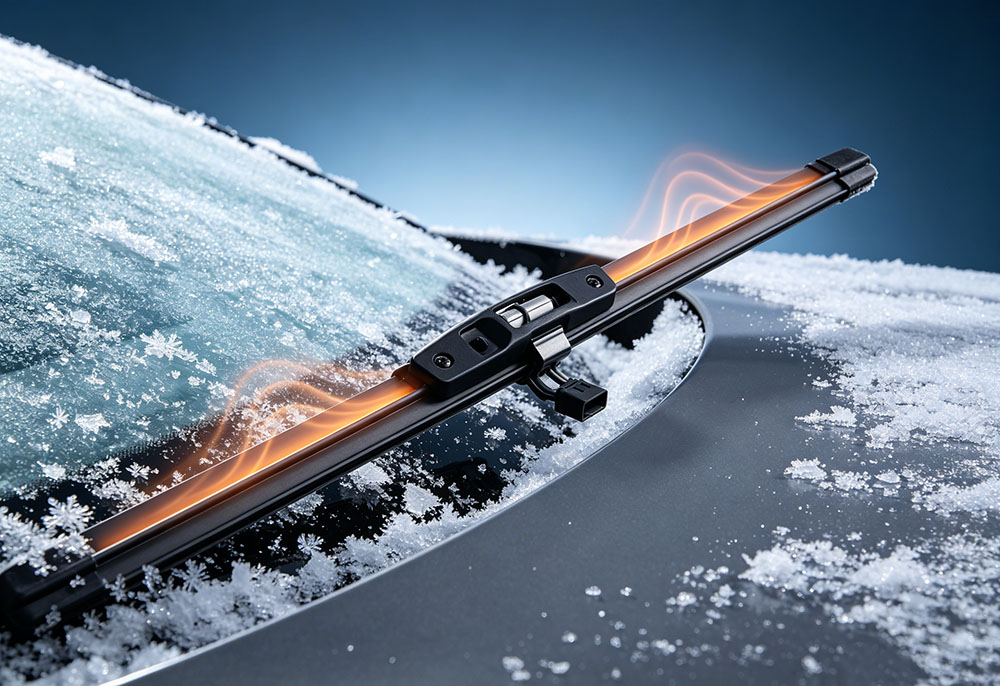
Check the product build before anything else
The first step in procurement is product construction. In a heated blade, the build tells you whether the item belongs in a serious winter program.
Heating structure
Our heated design uses a heated frame and an internal electric heating wire embedded in the rubber element. Its purpose is simple. It helps melt ice and snow on contact and helps maintain wiping efficiency in winter use. The heating element can reach 230°F, so buyers should ask how the heat is applied through the working area, not just whether the blade is labeled heated.
Rubber material and coating
We use high quality silicone with a Teflon coating. That material system is built to resist cracking in extreme cold down to -76°F and remain stable in heat up to 248°F. For B2B buyers, this matters because winter claims mean little without a clear rubber specification.
Frame strength and service life
The blade also uses a corrosion resistant spring steel frame. That supports blade stability in harsh winter exposure. Combined with the silicone build, the service life can reach up to three times that of a standard wiper blade. A heated blade still has to wipe cleanly. The heating feature does not replace mechanical quality.
Which specifications belong in an RFQ
When discussing a heated wiper blade project, we start with the specifications that can be clearly confirmed. These include the heated frame with embedded heating wire, Teflon-coated silicone rubber, a corrosion-resistant spring steel frame, specified operating temperature limits, and production under an ISO 9001 certified quality system. Our manufacturing also incorporates energy-saving processes and recyclable materials.
Other requirements depend on the vehicle and the individual project. Electrical specifications, for example, need to be matched to the target vehicle before an order is finalized. Packaging, product claims, and installation support should also be confirmed according to the customer’s market and sales channel.
Keeping confirmed specifications separate from project-specific requirements makes the RFQ easier for both sides to review and reduces unnecessary revisions later.
For product specifications and application details, see our T-HWB-01 heated wiper blade for the Mercedes-Benz S-Class.
Plan Fitment Coverage for Your Market
Many buyers ask for broad coverage too early. We suggest starting with the fitment logic, then expanding with purpose.
Start with connector and size range
Our heated range uses a U-hook connector, and models such as T-HWB-01 and T-HWB-02 support a coverage approach across 12 to 28 inch sizes. Based on that range, compatibility can reach 98% of vehicles. That gives buyers a practical base for assortment planning.
Use reference models the right way
Reference models help buyers understand application direction, but they should not replace a real market plan. We use T-HWB-01 for Benz S-Class and T-HWB-02 for Tesla Model X as clear examples. Those references are useful anchors in a sales discussion. They are not a shortcut for deciding the entire lineup.
Match coverage to your market
Before launch, we recommend confirming your priority vehicle mix, climate band, and top moving sizes. That reduces the risk of buying fringe coverage while missing the sizes that matter in season.
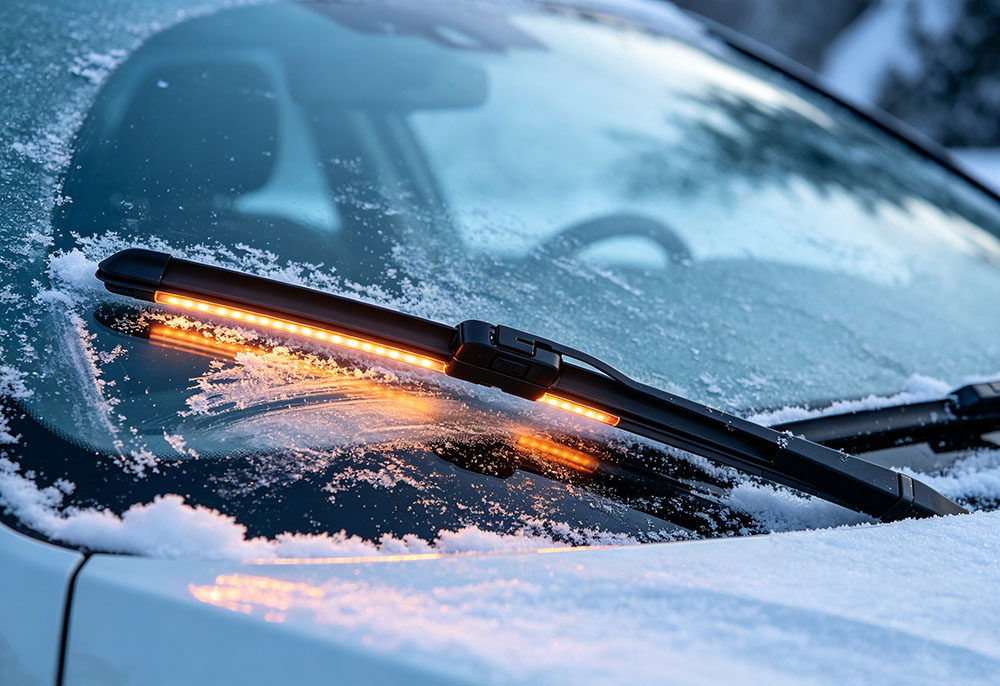
How we plan assortments for distributors and private label brands
A heated blade line works best when it sits inside a wider winter strategy. We usually see three main buyer groups. One is the distributor building a premium winter tier. Another is the importer creating a climate-based seasonal range. The third is the private label buyer who needs product differentiation plus a factory that can support branding and packaging.
For all three, we recommend a controlled opening assortment. Start with the sizes and fitment patterns that match your actual channel. Then add reference applications where they help sales teams explain the line. This approach keeps the program easier to stock and easier to sell.
Because we also manufacture flat, hybrid, metal frame, rear, snow, silicone, truck and bus, boat, and OE exact fit blades, we can help buyers place heated blades in the right position inside the full wiper portfolio. Heated products should complement the range, not sit in isolation.
Winter stock planning should happen early
Heated blades are seasonal, but the procurement work should start well before winter headlines arrive. Once cold weather demand becomes obvious, every buyer is trying to solve the same stock problem. That puts pressure on samples, approvals, packaging, and shipping windows.
For importers, we suggest planning by region and winter severity. For distributors, preseason work should include sample review, fitment review, packaging approval, and launch timing by channel. For fleets, the question is direct. Is the replacement plan ready before ice buildup starts affecting vehicle visibility?
The buyer who prepares early usually gets a cleaner winter program.
Packaging choices affect channel results
In B2B wiper procurement, packaging is part of the product offer. It changes how the line is presented, how it is sold, and how it fits a customer’s own brand system.
We support OEM and ODM work, private label programs, logo customization, color customization, branded boxes, plain packs, and blister displays. The right format depends on the route to market. A distributor carton, a private label box, and a blister display serve different channel needs.
This is also where vague inquiries create delays. If the brief only says “private label,” we still need to know the target channel, visual direction, and whether the heated line will sit beside snow blades or a broader winter assortment.
RFQ checklist before you ask us to quote
A strong RFQ saves time on both sides. It tells us what to sample, what to quote, and what still needs confirmation.
| Item to confirm | What we need from the buyer | Why it matters |
| Target market | Country or region, winter severity, channel type | Helps align the assortment to actual demand |
| Vehicle coverage plan | Priority vehicle mix and size demand within 12 to 28 inches | Keeps the range focused |
| Fitment logic | U-hook needs, reference models, sample expectations | Confirms the installation base |
| Product position | Distributor premium line, fleet line, or private label winter program | Affects assortment depth and presentation |
| Packaging format | Branded boxes, plain packs, or blister displays | Shapes the sales format |
| Branding needs | Logo, color, and private label requirements | Avoids rework during artwork review |
| Project timing | Sample window, buy window, launch month | Keeps the winter calendar under control |
| Technical confirmation | Required project-specific electrical details and documentation requests | Ties the quote to the actual vehicle program |
If you want a driver-level explanation of winter use, our related article is here: Heated Wiper Blades: Are They Worth It for Winter Driving?. This guide stays focused on procurement.
FAQ
Ready to start your heated wiper blade project? Contact us to discuss your target market, fitment coverage and private label options.

--- END ---


