Do You Need Special Wiper Blades for Hot Weather?
Nov 01, 2026
A summer in Phoenix or Tucson can be rough on windshield wipers. Your blades may look almost new when the first heavy rain arrives, yet suddenly leave streaks across the glass. That does not necessarily mean you bought the wrong pair. Heat, sunlight, and the dust that builds up between rainstorms can all shorten a blade’s useful life.
You do not need a completely different wiper system for a hot climate. What matters is choosing a blade that suits your car, checking it regularly, and replacing it when the wiping edge starts to deteriorate.
What Heat and Sun Do to Wiper Blades
Wiper rubber spends much of its life pressed against a windshield that can get extremely hot in direct sun. Over time, exposure to heat, ultraviolet light, and ozone can make some rubber compounds less flexible. The thin edge that should glide smoothly across the glass may become stiff, cracked, or uneven.
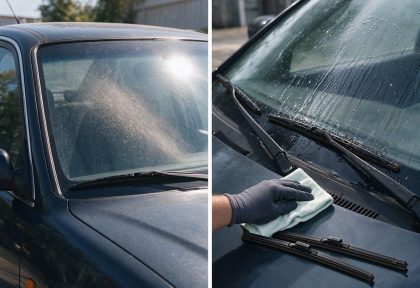
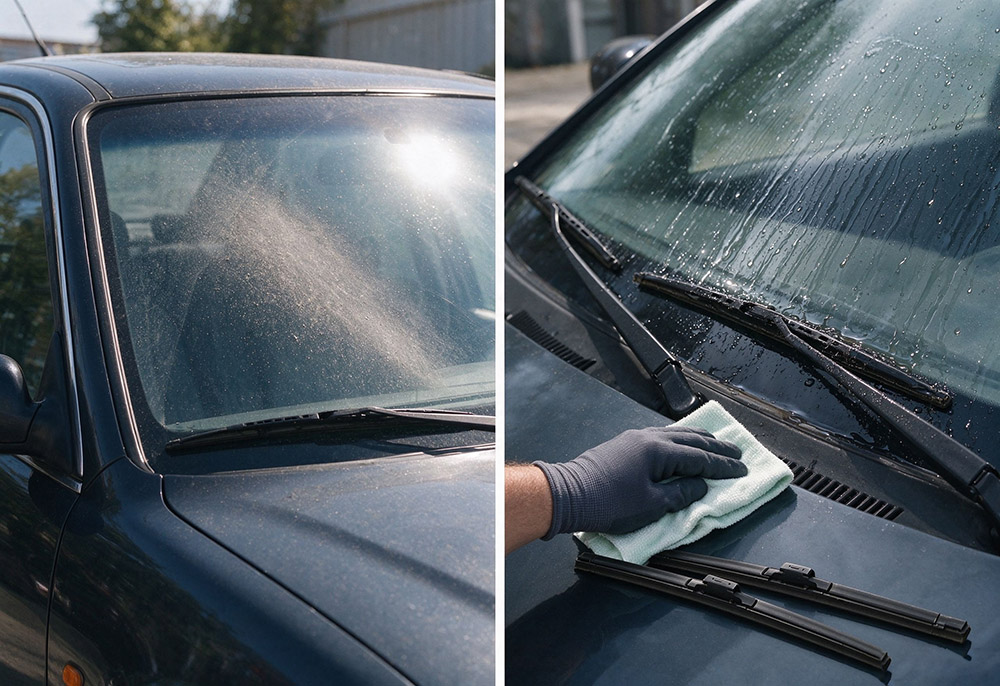
Dust makes the situation worse. In dry climates, a fine layer of grit can build up on the windshield long before the next rain. When the wipers finally come on, that debris is dragged across the wiping edge. A blade may be worn even if there are no obvious tears.
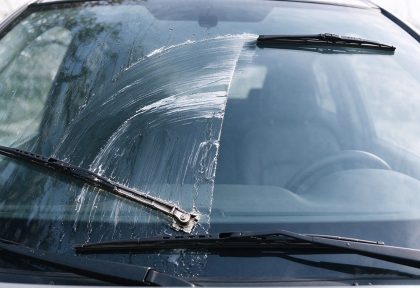
Watch what happens when you use the washers on a wet windshield. Persistent streaks, skipping, squeaking, or patches of water left behind are better warning signs than appearance alone. Clean the glass and blade edges first; if the same marks remain, it may be time for a new set.
How Often Should You Replace Wipers in a Hot Climate?
Six to twelve months is a useful inspection and replacement guideline, not a deadline that applies to every vehicle. A car parked outside every day in Arizona may need attention sooner than one kept in a garage. Blade material, weather exposure, and how often you clean the windshield all make a difference.
If your car spends most of its time in the sun, checking the wipers every month is a sensible habit. Do not wait for a particular date if the blades are already leaving streaks. Just as importantly, there is no reason to discard a pair that is still wiping cleanly simply because it has reached six months.
Silicone or Rubber: Which Works Better in the Heat?
Silicone Wiper Blades
Silicone wiper blades are worth considering if your vehicle regularly sits outdoors. Silicone materials generally have good resistance to heat and weathering, although actual blade life depends on the full design and compound, not just the material named on the packaging. A silicone blade can still streak if the windshield is dirty or the edge is damaged.
Conventional Rubber Blades
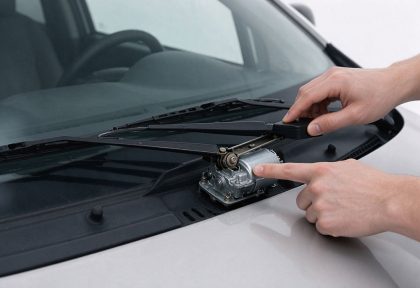
Conventional rubber blades remain a practical option, particularly if you prefer a lower upfront cost and are comfortable replacing them when needed. Premium rubber formulations and coated blades can also perform well. Instead of choosing on material alone, check that the blade has the right length, connector, and curvature for your vehicle.
For TOPEX customers comparing options, the silicone wiper blade range is one place to start. The best choice is the one that fits correctly and delivers a clean, quiet sweep in your driving conditions.
A Few Habits That Help in Summer
You cannot eliminate sun exposure, but a little care can keep the wiping edge in better condition.
What About Winter Wiper Blades?
If you use a heavily covered winter blade for snow and ice, you may prefer a standard or beam blade once warm weather returns. Winter-style covers are designed to limit ice buildup, while many low-profile beam blades are convenient for year-round use. There is no universal rule that a winter blade will fail in summer, so check the manufacturer’s guidance rather than replacing it solely because the season has changed.
A Quick Check Before the Next Rainstorm
Once a month, inspect the blades while the car is parked. Wipe away visible dirt, check for splits or loose sections, then wet the windshield and run the wipers briefly. If they chatter or leave the same streaks after the glass and rubber have been cleaned, replace them. It is much easier to spot a problem in the driveway than during a sudden summer storm.
Frequently Asked Questions
Do hot climates wear out wiper blades faster?
They can. Prolonged heat, sunlight, and dust may accelerate deterioration, especially on cars parked outside. How quickly this happens varies by material and driving conditions.
Are silicone wiper blades worth the extra cost?
They can be, particularly for frequent sun exposure. But silicone is not a guarantee of longer life in every application. Fit, construction, glass cleanliness, and maintenance still matter.
Should I replace my wipers every six months?
Treat six months as a reminder to inspect them, not an automatic replacement date. Replace the blades sooner if they leave persistent streaks or show damage, and continue using them if they remain in good condition.
Can I use winter blades in summer?
Often yes, depending on the blade’s design. A standard or beam blade may be more convenient in warm weather, but there is no need to assume every winter blade is unsuitable.
Find the Right Fit for Your Vehicle
If summer heat has taken its toll on your wipers, start with the correct blade size and arm connector. Share your vehicle’s make, model, and year with TOPEX, and we can help narrow down the options before you order.

--- END ---
Already the last article
Already the latest article