Windshield Wipers Stuck or Moving Slowly? Causes & Fixes
Nov 07, 2026
Windshield wiper problems can take several forms. Your wipers may keep running after you turn them off, get stuck halfway across the windshield, or move much slower than usual. Each symptom can have a different cause, so replacing the wiper motor right away isn’t always necessary.
Start by checking how the wipers behave. Pay attention to where they stop, whether they move at all, and whether you can hear the motor running. These details can help narrow down the problem before you spend money on replacement parts.
Why Won’t My Windshield Wipers Turn Off?
If the blades start running on their own while you’re driving, find a safe place to pull over before checking anything. Turn the vehicle off and see whether they stop. On some cars, the wipers may finish a cycle before parking; that alone isn’t a fault.
If they continue running with the vehicle off, consult the owner’s manual for the correct fuse or circuit-disabling procedure. Removing the relevant fuse may stop the motor, but it also leaves you without working wipers. Don’t continue driving in rain, snow, or conditions where you may need them. If the fault can’t be made safe, arrange a repair rather than relying on a temporary workaround.
A relay with stuck contacts is one possibility, but it isn’t the only one. Depending on the vehicle, the fault could also involve the wiper switch, wiring, motor parking circuit, or a body control module. Some newer cars don’t have a separate, easily replaceable wiper relay at all.
What the Sound of the Motor Tells You
With the vehicle parked and the wiper arms clear of ice or other obstructions, switch the wipers on briefly and listen near the base of the windshield. You don’t need to keep them running to learn something useful.
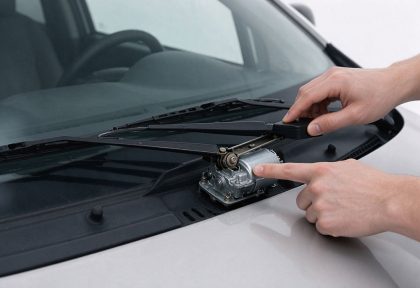
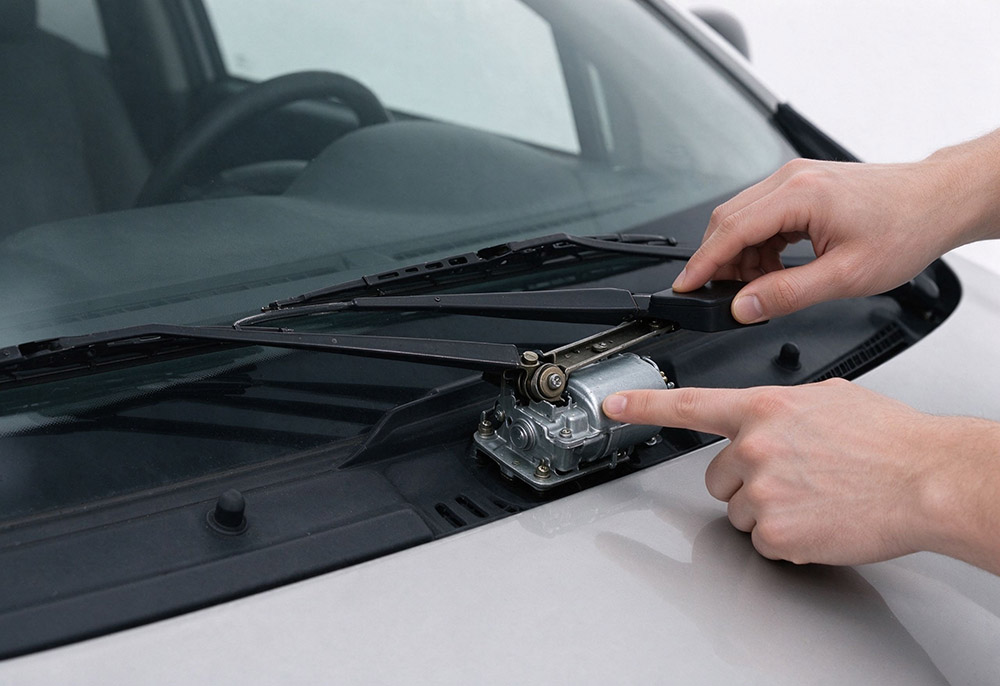
A motor sound with little or no arm movement suggests the linkage, an arm attachment, or another mechanical connection may be slipping. A strained hum can mean something is binding. Silence could indicate a power-supply problem, a failed motor, or a control issue. These are clues, not a diagnosis: a noisy motor can still be faulty, and a silent system doesn’t necessarily mean the motor needs replacing.
Watch the arms as well. If one moves normally while the other lags behind, a worn pivot or disconnected linkage deserves attention. Avoid forcing the arms across the glass by hand; doing so can damage the linkage or motor gearing.
When the Blades Stop in the Wrong Position
Wipers that park halfway up the windshield are often described as “stuck up,” but there are several reasons for that behavior. On some vehicles, a service or winter position intentionally holds the blades higher on the glass. Check whether that feature has been activated before assuming something has broken.
If the car isn’t in service mode, the issue may be with the motor’s park function, the linkage alignment, or the control system. Many wiper motors use a parking mechanism to finish the sweep after you turn the switch off. When that function fails, the arms may stop in an unusual position or behave inconsistently between cycles.
A recent wiper-arm replacement is another detail worth mentioning to a technician. An arm installed in the wrong position can make an otherwise working system look as though it parks incorrectly.
Slow, Jerky, or Uneven Wiper Movement
Slow blades aren’t always a sign of a weak motor. Ice around the arms, debris beneath the cowl, seized pivots, and worn linkage bushings can all add resistance. If one blade moves differently from the other, the mechanical parts are especially worth checking.
Start with what you can see safely: clear snow and ice with the vehicle off, check that nothing is trapped around the arms, and look for loose or visibly damaged components. Don’t repeatedly operate wipers that are jammed. A stalled motor can overheat or overload the circuit.
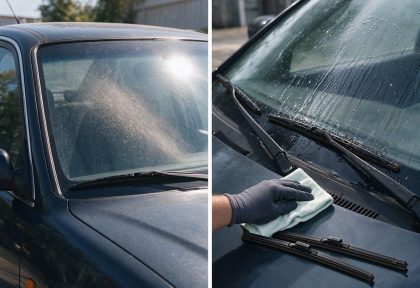
Old blades can also chatter or drag across the glass, particularly when the windshield is dry or contaminated. That feels different from an arm that is genuinely moving too slowly. Clean the glass and inspect the rubber before assuming there’s a problem under the cowl—but don’t expect new blades to repair a failed motor or linkage.
Where Electrical Faults Come In
If the obvious mechanical checks don’t explain the problem, the next step depends on the vehicle’s wiring design. Older systems may use a conventional relay and column switch, while newer ones often route wiper commands through an electronic control module.
A technician may check the relevant fuse, motor power and ground, switch signals, and the module’s live data. Corroded connectors or damaged wiring can cause intermittent operation, too. Swapping relays at random isn’t a good universal test: only use a matching relay when the service information confirms it is appropriate.
A Sensible Order for Troubleshooting
You don’t need to dismantle the wiper system to narrow down the possibilities. Start with the symptom, then work toward the more involved checks:
Conclusion
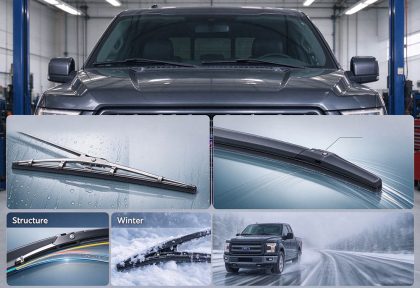
After the underlying fault has been repaired, give the blades a quick inspection. If the rubber is split, streaking, or chattering on clean, wet glass, replacing the blades can help restore a clear sweep. TOPEX offers flat wiper blades in a range of sizes and fittings; check the vehicle model, year, and arm connection before choosing a set, or contact the TOPEX team for fitment guidance.
Frequently Asked Questions
Can I drive after removing the wiper fuse?
Removing the correct fuse may stop wipers that won’t switch off, but it also disables a safety-critical system. Don’t drive when weather or visibility could require windshield wiping. Have the fault repaired before returning the vehicle to normal use.
Why do my wipers stop halfway across the windshield?
First check for a service or winter position. If that isn’t the cause, the motor parking function, linkage position, or electronic controls may need inspection. The symptom alone can’t identify a single failed part.
Does a wiper motor always need replacing if the blades move slowly?
No. Binding pivots, worn linkage parts, ice, and other obstructions can slow the arms down. A motor may also be at fault, but it’s better to check for resistance before replacing it.
How much does a wiper relay cost?
A standalone relay can be relatively inexpensive, but the price and repair procedure vary by vehicle. Some models integrate wiper control into a module, so there may be no separate relay to replace. Check the specific system before ordering parts.

--- END ---
Prev: Do You Need Special Wiper Blades for Hot Weather?
Already the latest article