

Eco-Friendly Ways to Dispose of Old Wiper Blades (Don’t Just Throw Them in the Trash)
Jun 20, 2026
You finish replacing your wiper blades and wonder what to do with the old ones. Most people toss them straight into the trash. This common habit adds to landfill waste and misses easy recycling opportunities.
Old wiper blades contain recyclable metal frames and rubber components, but throwing them in the trash contributes to long-term pollution. Responsible disposal is simple and helps reduce environmental impact while supporting circular practices.
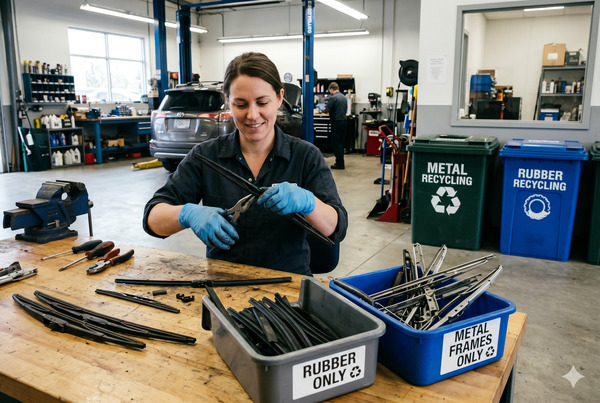
You now realize that proper disposal matters more than most drivers think. Let’s explore why throwing old blades in the trash is worse than you expect, the common mistakes people make, practical eco-friendly disposal methods, why choosing sustainable options like Topex makes disposal easier, and what to do next for responsible car maintenance.
Why Throwing Old Wiper Blades in the Trash Is Worse Than You Think?
Every year millions of wiper blades end up in landfills. Most drivers never think twice about it. This small habit creates bigger environmental problems over time.
Throwing old wiper blades in the trash adds non-biodegradable rubber and plastic to landfills, wastes valuable recyclable materials, and contributes to long-term pollution. Responsible disposal reduces waste and supports a cleaner environment.
Landfill Accumulation
Rubber in wiper blades breaks down very slowly. Millions of discarded blades take up space and release additives into the soil over decades.
Resource Waste
The metal frames contain steel that can be easily recycled. Throwing them away wastes materials that could be reused in new products.
Chemical Leaching Concerns
Some rubber compounds contain additives that may leach into groundwater when blades sit in landfills for long periods.
Growing Environmental Regulations
Many regions are tightening rules on automotive waste. Proper disposal helps individuals and businesses stay compliant with evolving standards.
Missed Opportunity for Circular Economy
Recycling old blades supports material recovery programs. This reduces the need for new raw materials and lowers overall environmental impact.
| Problem with Trash Disposal | Environmental Effect | Missed Opportunity |
|---|---|---|
| Non-biodegradable rubber | Long-term landfill waste | Recycling potential |
| Metal frame waste | Lost recyclable steel | Material recovery |
| Chemical additives | Potential soil and water impact | Safer disposal methods |
This table shows the real consequences of casual disposal. Small individual actions add up when multiplied across millions of vehicles.
My Fleet Partner Observation
A logistics company previously threw away hundreds of old blades monthly. After implementing a simple recycling process, they reduced waste significantly and improved their sustainability reporting.
Everyday Driver Impact
Most people I speak with never considered recycling wiper blades. Once they learn the options, they feel better about their maintenance routine.
Throwing blades away creates avoidable harm. Let’s look at the mistakes that make proper disposal harder.
Common Mistakes People Make When Disposing of Old Wiper Blades?
Many drivers want to do the right thing but end up making simple errors that send blades to the trash anyway.
Common mistakes include tossing blades directly into household trash, not separating metal and rubber parts, ignoring local recycling rules, and assuming nothing can be recycled. These habits prevent easy material recovery.
Direct Trash Disposal
The easiest option is often the worst. Most people throw complete blades into regular garbage without thinking about recycling possibilities.
Not Separating Components
Metal frames and rubber blades have different recycling streams. Mixing them makes recovery much harder for processing facilities.
Ignoring Local Programs
Many communities have specific drop-off points or retailer take-back programs. Drivers often miss these convenient options.
Assuming Blades Are Not Recyclable
A surprising number of people believe wiper blades cannot be recycled at all. This misconception leads to unnecessary landfill waste.
Forgetting to Check Brand Programs
Some manufacturers offer take-back or recycling initiatives. Drivers rarely check if their blades qualify for special handling.
| Mistake | Why It Happens | Better Alternative |
|---|---|---|
| Direct trash | Convenience | Separate and recycle |
| No component separation | Lack of knowledge | Remove rubber from frame |
| Ignoring local rules | Unawareness | Check community resources |
| Assuming non-recyclable | Common misconception | Research options |
This table highlights frequent errors. Correcting them makes eco-friendly disposal straightforward.
My Customer Conversation
A customer was surprised to learn he could recycle his old blades. After separating the parts and dropping them at a local center, he felt more satisfied with his maintenance routine.
Retailer Program Insight
Many auto parts stores now accept used blades. Drivers who ask about take-back programs often find convenient solutions nearby.
These mistakes are easy to fix with basic knowledge. Here are practical ways to dispose responsibly.
Eco-Friendly Ways to Dispose of Old Wiper Blades – Practical Guide?
Responsible disposal is simpler than most people expect. Several convenient options exist in 2026.
Eco-friendly disposal methods include separating metal and rubber for recycling, using retailer take-back programs, finding local scrap yards, and choosing brands with sustainable initiatives. These steps reduce waste and support material recovery.
Separate Materials First
Remove the rubber blade from the metal frame. Most recycling centers accept steel frames as scrap metal and rubber through specialized programs.
Use Retailer Take-Back Programs
Many auto parts stores and retailers accept old wiper blades. Drop them off during your next visit for proper processing.
Check Local Recycling Centers
Community facilities often have options for automotive rubber and metal. Search for centers that handle household hazardous or automotive waste.
Explore Manufacturer Programs
Some brands offer mail-in or drop-off recycling for their products. This ensures proper handling of specific materials.
Choose Sustainable Upgrades
When buying new blades, select options designed with easier end-of-life recycling. This makes future disposal simpler.
- Always separate components before recycling.
- Check local rules for accepted materials.
- Combine disposal with regular maintenance.
- Consider blade covers or storage solutions to extend life.
These methods make responsible disposal easy and effective. Small actions create meaningful impact.
My Recycling Routine
I separate old blades and drop them at a local auto parts store during oil changes. The process takes almost no extra effort and feels good.
Fleet Sustainability Practice
Large operators now track blade disposal as part of their environmental goals. Simple programs reduce waste and improve corporate reporting.
Proper disposal is part of responsible ownership. Sustainable blades like Topex make the entire cycle better.
Why Choosing Recyclable or Sustainable Wiper Blades Makes Disposal Easier?
The best time to think about disposal is when buying new blades. Sustainable choices simplify the end-of-life process.
Choosing recyclable or sustainable wiper blades from brands like Topex reduces future disposal headaches. Better materials and design make separation and recycling simpler while delivering strong performance.
Easier Material Separation
Many sustainable blades use designs that allow clean separation of rubber and metal. This speeds up recycling and improves recovery rates.
Higher Recyclability Rates
Premium blades often incorporate more recyclable content. This supports circular economy goals and reduces landfill contributions.
Longer Service Life
Sustainable blades typically last longer. This means fewer blades to dispose of over time and lower overall environmental impact.
Brand Responsibility Programs
Some manufacturers take active roles in recycling their products. This provides convenient options for end users.
Better Performance During Use
Sustainable options often use higher-quality materials. This improves wiping performance and reduces the frequency of replacement.
| Sustainable Blade Benefit | Disposal Advantage | Daily Driving Benefit |
|---|---|---|
| Easier separation | Faster recycling process | Less waste overall |
| Higher recyclable content | Better material recovery | Environmental responsibility |
| Longer lifespan | Fewer blades discarded | Reduced replacement costs |
| Brand programs | Convenient drop-off options | Peace of mind |
This table shows how sustainable choices benefit both disposal and daily use. The advantages add up over time.
My Sustainable Choice Experience
Switching to more recyclable blades simplified disposal while improving performance. The entire ownership cycle felt more responsible.
Customer Feedback
Drivers who chose sustainable options report easier end-of-life handling and better overall satisfaction with their blades.
Sustainable choices create positive cycles. Take action to dispose responsibly today.
Ready to Dispose of Your Old Wipers Responsibly? Here’s Your Next Step?
You now have practical ways to handle old blades and make better choices for new ones. The next step is simple.
Ready to dispose of your old wipers responsibly? Separate the materials, find a local drop-off point, and consider upgrading to more sustainable options for easier future disposal.
Small consistent actions support a cleaner environment and better driving experience.
Conclusion
Old wiper blades may seem like small waste, but when millions of them end up in landfills every year, the environmental impact adds up. The good news is that responsible disposal is easier than most people realize — whether through recycling programs, material separation, or choosing more sustainable blades from the start.
Small actions like recycling your old blades and upgrading to higher-quality, longer-lasting options help reduce waste and protect the environment.
Every wiper blade you recycle makes a difference. Make disposal part of your regular car maintenance routine and drive more sustainably.
Frequently Asked Questions About Disposing of Old Wiper Blades
Can I recycle old wiper blades?
Yes. Most wiper blades can be recycled by separating the metal frame from the rubber blade. Many auto parts stores and local recycling centers accept them.
How do I separate the rubber and metal parts for recycling?
Gently remove the rubber strip from the metal spine. Most designs allow clean separation without special tools for straightforward recycling.
Where can I drop off old wiper blades for recycling?
Check local auto parts stores, scrap metal yards, or community recycling centers. Many retailers now offer convenient take-back programs.
Are all wiper blades recyclable?
Most are, especially those with separable metal and rubber components. Premium and sustainable blades are often designed with easier recycling in mind.
Do auto parts stores accept used wiper blades?
Yes. Many major chains and local stores accept old blades as part of their recycling or take-back initiatives. Call ahead to confirm.
How do eco-friendly wiper blades help with disposal?
They often use more recyclable materials and simpler designs that make separation easier. This reduces environmental impact throughout their lifecycle.

--- END ---
Prev: Budget vs Premium Wiper Blades: Do Expensive Ones Install Better and Last Longer? (2026 Guide)
Already the latest article


