
One-Piece Spoiler vs Traditional Frame Wipers: B2B Cost-Performance & Return Rate Comparison
Aug 07, 2026
You buy the cheapest traditional frame blades to protect your margin. Returns come back higher than expected. Customers complain about lift, streaks, and noise. The low purchase price disappears in after-sales cost and lost trust.
One-piece spoiler wiper blades deliver better real-world performance, longer service life, and lower return rates than traditional frame blades on modern vehicles. For B2B buyers the true comparison is total cost of ownership and margin sustainability, not just unit price.
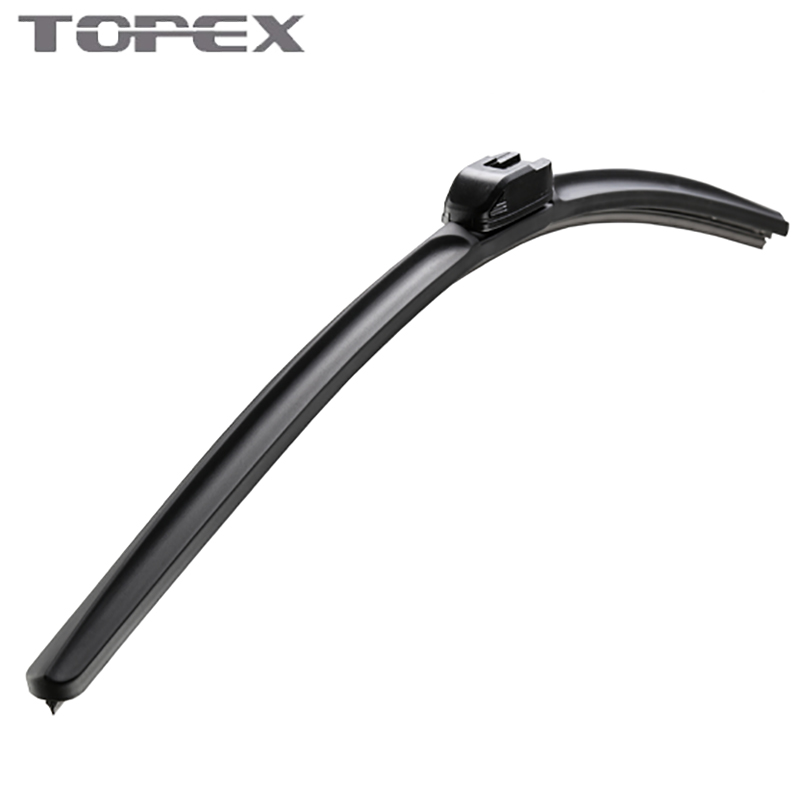
You now see why unit price alone misleads. Let’s examine how traditional frame blades quietly erode margins, the costly traps of staying only with low-price options, how one-piece spoiler designs improve performance and lower total cost, a clear side-by-side B2B comparison, and how wholesalers should decide when to stock each type and how to transition.
Why Traditional Frame Wipers Quietly Destroy Wholesaler Margins Through High Returns and Short Lifespan
I speak with wholesalers who still rely heavily on traditional frame blades. The purchase price looks attractive. The real cost appears later in returns, complaints, and short replacement cycles.
Traditional frame wipers quietly destroy margins because they lift and streak on modern curved glass, collect ice in winter, wear out faster, and generate higher performance-related returns that eat into net profit and increase service workload.
Uneven Pressure on Modern Windshields
Traditional frames apply force at a limited number of points—often only six to eight. On today’s more curved glass this leaves weak zones. The blade skips or streaks, and customers return the product as defective.
High-Speed Lift and Chatter
At highway speeds airflow creates lift on the open frame structure. Contact pressure drops. The result is chatter, noise, and incomplete clearing exactly when drivers need clear vision most.
Shorter Real-World Lifespan
Many traditional frame blades deliver acceptable performance for only six to twelve months under normal use. More frequent replacements increase the chance of complaints and reduce the perceived value of the brand you supply.
Winter Ice and Snow Build-Up
Exposed metal bridges and joints collect ice and packed snow. The blade loses contact and clearing fails. This is a common source of seasonal returns in cold markets.
Hidden After-Sales Cost
Every return involves shipping, inspection, customer service time, and often a replacement unit. Even a moderate return rate quickly offsets the savings from a low purchase price.
| Traditional Frame Weakness | Direct Result | Margin Impact |
|---|---|---|
| Limited pressure points | Streaks on curved glass | Higher performance returns |
| Wind lift at speed | Chatter and incomplete wipe | Customer complaints |
| Shorter service life | More frequent replacements | Lower perceived value |
| Ice collection in frame | Winter failures | Seasonal return spikes |
This table shows how design limitations turn into measurable business costs. The problems are quiet but consistent.
My Wholesaler Conversation Pattern
A distributor once told me his traditional frame line had the lowest purchase cost in his range. After tracking returns and service time for a full year he discovered the net margin was lower than his mid-priced one-piece spoiler line. The cheap blades were not cheap once the full cost appeared.
Market Reality in 2026
Vehicles continue to use more curved glass and travel at higher average speeds. Traditional frame designs that worked adequately on older flat windshields face growing performance complaints on current models.
The margin damage is real. Most of it comes from staying in familiar but outdated buying patterns.
The Costly Traps of Sticking Only with Low-Price Frame Blades in 2026 Markets
Many wholesalers continue with traditional frame blades because the unit price is low and the product is familiar. Several habits make the long-term result worse.
Costly traps include judging only by purchase price, ignoring total cost of ownership, overlooking high-speed and fitment performance, treating traditional frames as a universal solution, and failing to measure return rates by blade type. These errors keep margins under pressure.
Focusing Only on Unit Purchase Price
The lowest quoted price feels safe. It ignores the cost of returns, shorter lifespan, and extra service time. Total cost of ownership is the number that actually determines profit.
Ignoring Real Fitment and Glass Shape Issues
Traditional frames were designed for older, flatter glass. On modern curved windshields the limited pressure points create clearing problems that customers blame on the blade—and on you.
Treating Frame Blades as Suitable for Every Vehicle
Budget and older-vehicle segments still accept traditional frames. Using them as the default for newer, faster, or higher-end vehicles increases performance complaints and returns.
Failing to Track Returns by Product Type
When returns are recorded only as a total percentage, the contribution of traditional frame blades stays hidden. Without clear data the same buying pattern continues.
Missing the Premium Positioning Opportunity
By staying only with low-price frames, wholesalers leave the higher-margin upgrade segment to competitors who offer one-piece spoiler designs.
| Trap | Immediate Feeling | Longer Result |
|---|---|---|
| Unit-price focus | Lower invoice cost | Higher total cost |
| Ignoring glass curvature | Simple assortment | More streaking returns |
| Universal frame approach | Easy buying | Rising complaints on new cars |
| No type-specific return data | Hidden problem | Repeated margin loss |
This table highlights the most expensive habits. Avoiding them requires looking beyond the purchase order.
My Observed Pattern
Wholesalers who measured returns and replacement frequency by blade type almost always found traditional frames contributed a larger share of performance complaints than expected. Those who adjusted the mix improved net margins within one or two seasons.
Practical Lesson
In 2026 the market is split. Traditional frames still serve a clear budget role. Treating them as the only solution creates avoidable cost.
Traps keep many stuck. One-piece spoiler designs address the performance roots of those costs.
How One-Piece Spoiler Blades Deliver Superior Real-World Performance and Lower Total Cost
The advantages come from structure and aerodynamics, not marketing claims.
One-piece spoiler blades deliver superior performance and lower total cost by providing continuous even pressure, converting airflow into downforce to prevent lift, reducing noise and ice build-up, and lasting longer under real driving conditions. These gains translate directly into fewer returns and better margins for wholesalers.
Continuous Even Pressure Distribution
Instead of six to eight pressure points, a one-piece beam structure applies force more evenly along the full length. The blade follows modern curved glass more closely and leaves fewer streaks.
Aerodynamic Downforce Instead of Lift
A full-length spoiler uses oncoming air to push the blade down onto the glass. At the speeds where traditional frames begin to lift, one-piece spoiler designs maintain or increase contact pressure.
Reduced Noise and Vibration
With no multi-piece metal frame to flex or rattle, the blade runs more quietly. Lower noise means fewer “defective” returns based on sound alone.
Better Winter Behavior
The simpler structure has fewer places for ice and snow to pack. Contact remains more consistent in cold, wet conditions.
Longer Service Life
Quality one-piece designs commonly deliver twelve to thirty months of usable performance depending on climate and care. Longer intervals mean fewer replacements and higher customer satisfaction.
- Even pressure improves clearing on curved glass.
- Spoiler downforce stabilizes the blade at highway speeds.
- Fewer moving parts reduce noise and mechanical wear.
- Cleaner structure resists ice build-up.
- Longer life lowers the frequency of purchase and complaint cycles.
These technical points become commercial advantages when measured in returns and total cost.
Quantifiable B2B Effects
Lower performance-related returns reduce shipping, handling, and replacement costs. Longer life supports higher retail pricing and stronger repeat business. The combination improves net margin even when the unit purchase price is higher.
Real-World Observation
I have compared return reasons across product types. One-piece spoiler lines consistently show fewer complaints about lift, chatter, and incomplete clearing on modern vehicles. The difference appears most clearly in highway and rainy-market feedback.
Performance gains are measurable. A direct cost comparison makes the business case clear.
Side-by-Side B2B Comparison: Upfront Cost, Lifespan, Return Rates, and Margin Potential
Numbers matter more than features when inventory and margin decisions are made.
Side-by-side comparison shows that while traditional frame blades often have a lower upfront cost, one-piece spoiler blades typically deliver longer lifespan, lower performance-related return rates, stronger retail pricing power, and better overall margin contribution once total cost is calculated.
Upfront Purchase Cost
Traditional frame blades usually win on unit price. One-piece spoiler blades cost more to buy. This is the number most buyers see first.
Service Life and Replacement Frequency
Traditional frames commonly need replacement every six to twelve months. Quality one-piece designs often last twelve to thirty months. Fewer replacement cycles reduce the long-term cost per vehicle.
Return Rate Differences
Industry average returns sit in the 10–20% range, with wrong fitment and performance issues as major contributors. One-piece spoiler designs with accurate fitment support and better high-speed stability can bring performance-related returns significantly lower—some distributors report overall rates dropping toward 5% or below on those lines.
Retail Pricing and Margin Potential
One-piece spoiler blades support higher retail prices because of visible performance advantages and modern appearance. The extra margin often more than offsets the higher wholesale cost when returns stay controlled.
Inventory and SKU Complexity
Multi-adapter one-piece systems can cover more vehicles with fewer SKUs than a broad traditional frame assortment. Lower complexity improves turns and reduces dead stock risk.
| Comparison Factor | Traditional Frame | One-Piece Spoiler |
|---|---|---|
| Unit purchase cost | Lower | Higher |
| Typical service life | 6–12 months | 12–30 months |
| High-speed stability | Lift and chatter common | Downforce keeps contact |
| Performance return risk | Higher | Lower |
| Retail pricing power | Limited | Stronger |
| Long-term margin potential | Thin after returns | Healthier when measured fully |
This table summarizes the practical B2B differences. The advantage of one-piece designs appears most clearly in total cost and net margin columns.
Total Cost of Ownership View
When purchase price, replacement frequency, return handling cost, and achievable retail margin are combined, one-piece spoiler blades frequently show a lower true cost per month of service and a higher contribution to profit.
My Data Review Experience
Wholesalers who tracked the full numbers—not only the purchase order—almost always shifted more volume toward one-piece spoiler lines for modern vehicle segments after one or two seasons of measurement.
The comparison is clear. The final question is how to apply it to real inventory decisions.
How Wholesalers Should Decide and Transition: When to Stock Frame, When to Push One-Piece Spoiler
Not every vehicle or customer needs the same solution. A deliberate mix works better than an all-or-nothing switch.
Wholesalers should keep traditional frame blades for budget and older-vehicle segments while actively testing and expanding one-piece spoiler blades for modern vehicles, high-speed markets, and customers who value quieter, longer-lasting performance. Controlled low-MOQ trials and accurate fitment tools make the transition low-risk.
When Traditional Frame Blades Still Make Sense
Budget-conscious buyers, older vehicles with flatter glass, and markets where price is the dominant factor remain suitable for traditional frames. They continue to serve a real segment.
When One-Piece Spoiler Blades Are the Better Choice
Modern vehicles with curved glass, highway-oriented customers, rainy or high-speed regions, and any account that cares about return rates and customer satisfaction benefit from one-piece spoiler designs.
Practical Transition Steps
Start with a limited range of high-volume sizes in one-piece spoiler construction. Use accurate fitment data and multi-adapter systems to keep returns low. Measure sell-through and return reasons for both product types side by side. Increase the one-piece share only where the numbers support it.
Tools That Reduce Risk During Transition
Clear vehicle-to-size charts, multi-fit adapters, and strong packaging lower fitment-related returns. Low-MOQ options allow testing without heavy inventory commitment.
- Keep traditional frames for the budget and older-vehicle segment.
- Introduce one-piece spoiler blades on the highest-volume modern sizes first.
- Track returns and sell-through by product type.
- Use multi-adapter systems to limit SKU growth.
- Scale the better-performing line based on real data.
These steps create a controlled, profitable shift rather than a risky leap.
My Recommended Starting Approach
I advise wholesalers to run a parallel test on their top ten sizes. Offer both traditional frame and one-piece spoiler versions where demand exists. Let the return rates and customer feedback decide the longer-term mix.
Scaling with Confidence
Once a one-piece size shows strong sell-through and low returns, move it to regular stocking quantities. Annual volume commitments usually unlock better pricing while the performance advantages protect margin.
For proven one-piece spoiler designs that support this transition, explore the Topex one-piece spoiler category. You can also review specific models such as the Topex T-PRO-F one-piece spoiler and the T-PRO-SC custom for practical options that combine performance with commercial flexibility.
Conclusion
For B2B buyers, the real comparison is not just unit price—it is total cost of ownership, return rate, and margin sustainability. Traditional frame wipers still have a place in budget and older-vehicle segments, but one-piece spoiler (frameless/beam) designs consistently win on modern curved glass, high-speed stability, quieter operation, longer service life, and lower performance-related returns. Wholesalers who quantify these differences and strategically shift inventory toward high-performing one-piece spoiler blades protect margins, reduce after-sales friction, and build stronger retailer loyalty. Start with clear side-by-side data, test with controlled low-MOQ runs, and let real return and sell-through numbers guide the mix.
Frequently Asked Questions About One-Piece Spoiler vs Traditional Frame Wipers
Are one-piece spoiler (frameless) wiper blades always more expensive than traditional frame blades for wholesalers?
Unit purchase price is usually higher for one-piece spoiler blades. When longer life, lower returns, and stronger retail pricing are included, total cost of ownership and net margin often favor the one-piece option on modern vehicles.
How much can return rates drop when switching from traditional frame to one-piece spoiler designs?
Performance-related returns commonly decline because of better high-speed stability and more even pressure on curved glass. Some distributors report overall return rates on those lines falling toward 5% or lower when fitment data is also accurate.
What is the typical lifespan difference and how does it affect total cost of ownership?
Traditional frame blades often last 6–12 months. Quality one-piece designs frequently deliver 12–30 months. Fewer replacements reduce long-term cost per vehicle and support higher customer satisfaction.
Do traditional frame blades still make sense for certain markets or vehicle segments in 2026?
Yes. Budget-focused buyers and older vehicles with flatter windshields remain suitable for traditional frames. They continue to serve a real segment when price is the primary decision factor.
How does the integrated spoiler specifically reduce high-speed lift-off and chatter compared with framed blades?
The full-length spoiler converts oncoming airflow into downforce. This keeps the blade pressed against the glass at speeds where traditional open frames begin to lift and lose contact.
What practical steps should a wholesaler take to test and transition inventory toward one-piece spoiler blades?
Start with high-volume sizes, use accurate fitment tools and multi-adapter systems, run controlled low-MOQ trials, measure returns and sell-through by product type, and scale only the sizes that show clear advantages.

--- END ---


