
How to Test Your Windshield Wipers Before a Road Trip (Don’t Get Caught in the Rain)
Jun 15, 2026
You are packing the car for a long road trip. The weather forecast looks good, but you know conditions can change fast. Many drivers head out without checking their wipers and end up struggling in sudden rain.
Testing your windshield wipers before a road trip takes just a few minutes but prevents dangerous low-visibility situations. A proper check catches problems early so you stay safe and focused on the journey.
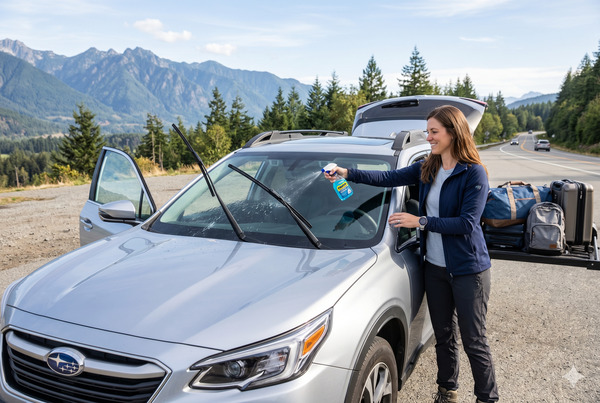
You now understand why a quick test matters more than most people realize. Let’s explore why failing to test can turn a fun drive into a dangerous one, the common mistakes drivers make, a clear step-by-step checklist, why quality Topex wipers give you confidence, and what to do next before you hit the road.
Why Failing to Test Your Wipers Before a Road Trip Can Turn a Fun Drive into a Dangerous One?
I have heard many stories from drivers who learned this lesson the hard way. They set off excited for the trip only to face heavy rain with failing wipers. The situation quickly becomes stressful and risky.
Failing to test wipers before a road trip leaves you vulnerable to streaking, skipping, and poor visibility when weather turns bad. This increases accident risk, causes driver fatigue, and can lead to emergency stops in unfamiliar areas.
Sudden Loss of Visibility
Rain starts unexpectedly on the highway. Untested blades streak or skip, creating blind spots. You struggle to see lane markings or brake lights ahead.
Increased Accident Risk
Poor wiping performance slows your reaction time. In heavy rain or at night, this small delay can make the difference between avoiding a hazard and colliding with it.
Driver Distraction and Stress
Constant noise, vibration, or the need to lean forward to see clearly tires you out faster. On long trips, this fatigue raises the chance of mistakes.
Potential for Windshield Damage
Worn blades that were not tested can scratch the glass during use. This damage appears suddenly and becomes expensive to repair far from home.
Interference with Safety Systems
Modern vehicles use the windshield for cameras and sensors. Untested, streaking wipers can reduce the effectiveness of ADAS features when you need them most.
| Risk on Road Trip | Real Consequence | Why Testing Prevents It |
|---|---|---|
| Streaking in rain | Hidden hazards | Early detection and fix |
| Skipping at speed | Loss of control feel | Confirms smooth operation |
| Noise and distraction | Driver fatigue | Ensures quiet performance |
| Sudden failure | Emergency stop in bad weather | Avoids surprises |
This table shows how skipping the test creates avoidable dangers. A few minutes of checking brings real peace of mind.
My Road Trip Experience
On a family vacation last year, I tested wipers the night before. They showed light skipping, so I replaced them. During a heavy mountain rainstorm, the new blades performed perfectly. Without that check, the trip would have been much more stressful.
Fleet Driver Feedback
Long-haul drivers report that pre-trip wiper tests reduced weather-related delays and near-misses. One fleet cut roadside assistance calls by nearly half after making testing mandatory.
Failing to test creates unnecessary risks. Let’s look at the mistakes that cause drivers to miss problems.
Common Mistakes Drivers Make When Checking Wipers Before Long Trips?
Even experienced travelers make these errors. They think a quick glance is enough, but it often hides real issues.
Common mistakes include only doing a quick visual check, running wipers dry, ignoring noise or light skipping, forgetting to test both sides, and assuming new blades are always fine. These lead to problems appearing miles from home.
Quick Visual Inspection Only
Looking at the blades without turning them on misses streaking, skipping, and noise that only show during actual use.
Testing Without Washer Fluid
Running wipers on dry glass does not reveal true performance. Real rain simulation with fluid shows hidden issues.
Ignoring Minor Noise or Skipping
Many dismiss light chattering as normal. This often signals worn edges that will worsen under highway conditions.
Checking Only One Side
Driver and passenger blades wear differently. Testing only one side leaves you with uneven performance in rain.
Assuming Recent Replacement Is Enough
Even new blades can have installation issues or manufacturing defects. Always test them before trusting them on a long trip.
| Mistake | Why It Fails to Catch Problems | Better Practice |
|---|---|---|
| Visual check only | Misses functional issues | Test with washer fluid |
| Dry testing | No real rain simulation | Always use fluid |
| Ignoring minor noise | Early wear signs missed | Listen carefully at speed |
| Single side testing | Uneven performance | Check both sides |
This table highlights frequent oversights. Correcting them ensures reliable wipers when you need them.
My Pre-Trip Mistake Story
On one trip I only did a quick visual check. During rain, one blade started skipping badly. A full test beforehand would have caught it and saved us from pulling over repeatedly.
Long-Distance Traveler Feedback
Many road trip enthusiasts now share checklists that include full wiper testing. Those who follow them report far fewer weather-related issues.
These mistakes are easy to avoid with a proper checklist. Here is exactly how to do it.
How to Properly Test Your Windshield Wipers Before a Road Trip – Step-by-Step Checklist?
A systematic test takes only a few minutes but gives you confidence for the entire journey.
Follow this step-by-step checklist to test your windshield wipers before a road trip: clean the glass, inspect visually, test with washer fluid at different speeds, listen for noise, check both sides, and verify installation. This ensures reliable performance.
Step 1: Clean the Windshield Thoroughly
Remove all dirt, bugs, and residue with glass cleaner and a microfiber cloth. A dirty glass hides blade problems.
Step 2: Visual Inspection
Look closely at the rubber edges for cracks, hardening, splits, or uneven wear. Check both blades carefully.
Step 3: Test with Washer Fluid
Spray fluid and run wipers on low speed, then high speed. Watch for streaking, skipping, or gaps in coverage.
Step 4: Listen for Noise and Vibration
Pay attention to any squeaking, chattering, or unusual sounds. These indicate poor contact or wear.
Step 5: Check Installation and Security
Gently tug on each blade to ensure it is firmly attached. Verify correct orientation and size.
Step 6: Final Highway Simulation
If possible, drive at highway speed briefly while testing. This reveals lift or performance issues that appear at higher speeds.
- Test after cleaning for accurate results.
- Replace both blades if one shows problems.
- Use quality washer fluid during the test.
- Document any issues for future reference.
This checklist is simple yet thorough. Performing it before every major trip keeps you prepared.
My Pre-Trip Checklist Habit
I run through these steps the evening before departure. It has saved me from multiple stressful situations during rainstorms on long drives.
Road Trip Enthusiast Tip
Many experienced travelers keep a printed checklist in the glove box. It ensures nothing gets missed even when packing in a hurry.
A proper test gives confidence. Quality blades like Topex make passing the test easier and more reliable.
Why Quality TOPEX Wipers Pass the Test Every Time and Give You Peace of Mind?
After helping many drivers prepare for trips, I see clear differences between brands. Quality makes testing results more consistent.
Topex wiper blades are designed with premium materials and precise engineering that consistently pass thorough pre-trip tests. They deliver reliable, streak-free, and quiet performance that gives you confidence on every journey.
Premium Rubber Compounds
Topex rubber maintains flexibility and edge quality longer. This helps them pass visual and functional tests even after months of use.
Advanced Aerodynamic Design
Beam and hybrid styles resist lift at highway speeds. They maintain contact during high-speed testing where standard blades often fail.
Strong and Secure Fitment
Reliable adapters click firmly into place. This ensures they pass the security tug test and stay stable during long drives.
Consistent All-Weather Performance
Topex blades handle rain, snow, and mixed conditions well. They rarely show streaking or noise when properly tested.
Long-Term Reliability
With normal care, Topex blades continue passing tests trip after trip. This reduces the frequency of replacements before travel.
| Topex Testing Advantage | How It Performs in Tests | Benefit for Road Trips |
|---|---|---|
| Premium rubber | Maintains edge quality | Fewer streaks |
| Aerodynamic design | Resists lift at speed | Stable highway performance |
| Secure adapters | Passes tug and security checks | No detachment risk |
| Durable construction | Consistent results over time | Peace of mind on long trips |
This table shows why Topex blades give reliable test results. They perform when it matters most.
My Road Trip Testing Results
I have used Topex blades on multiple cross-country trips. They consistently pass all checks and deliver clear vision even in unexpected storms.
Traveler and Fleet Feedback
Road trip enthusiasts and fleet operators report higher confidence with Topex. They pass pre-trip tests reliably and require less attention during travel.
Quality blades like Topex make preparation easier. Here is how to take action before your next trip.
Ready to Hit the Road Safely? Here’s Your Final Pre-Trip Action?
You now have the complete checklist and understanding. The next step is simple and worthwhile.
Ready to hit the road safely? Run the full test today, address any issues, and upgrade to reliable blades if needed. Your future self will thank you during the first rainstorm.
Explore Premium Beam Wiper Blades
Learn More Road Trip Preparation Tips
Take these steps and enjoy peace of mind on every mile.
Conclusion
Testing your windshield wipers before a road trip takes just a few minutes but can prevent stressful and dangerous situations when weather turns bad. A quick visual check isn’t enough — you need to test them under real conditions to catch hidden problems early.
Don’t let worn or poorly performing wipers ruin your trip. Taking the time to properly test them gives you confidence and clearer vision when it matters most.
Safe travels start with simple preparation. Test your wipers today and drive with peace of mind.
Frequently Asked Questions About Testing Windshield Wipers
How do I know if my wiper blades are ready for a road trip?
Perform a full test with washer fluid at different speeds. Check for streaking, skipping, noise, and secure fit. If any issues appear, replace them before departure.
What’s the best way to test wiper blades before driving?
Clean the windshield first, then run the wipers with washer fluid on low and high speeds. Listen for noise and watch for even coverage across the entire glass.
Should I replace wiper blades before every long trip?
It is recommended if they show any signs of wear or are older than six months. A fresh set provides peace of mind and better performance during variable weather.
Can I test wiper blades without using washer fluid?
Dry testing gives limited information. Using washer fluid simulates real rain conditions and reveals hidden streaking or skipping problems more accurately.
What signs mean my wipers need immediate replacement?
Visible cracks, hardened edges, persistent streaking after cleaning, loud squeaking, or skipping at any speed indicate the blades should be replaced before your trip.
How often should I check my wipers before trips?
Check them before every major road trip and at least monthly for regular driving. This habit prevents surprises and keeps performance reliable.

--- END ---


