
Winter vs All-Season Wiper Blades: Which One Should You Choose in 2026?
Apr 27, 2026
You’re driving on the highway when snow suddenly turns to sleet. Your wipers freeze, streak badly, and leave you struggling to see. Many drivers face this dangerous situation every winter because they chose the wrong blade type.
Winter wiper blades offer superior protection in snow and ice, while all-season blades perform better in rain and mild weather. The right choice depends on your climate, driving habits, and performance needs in 2026.
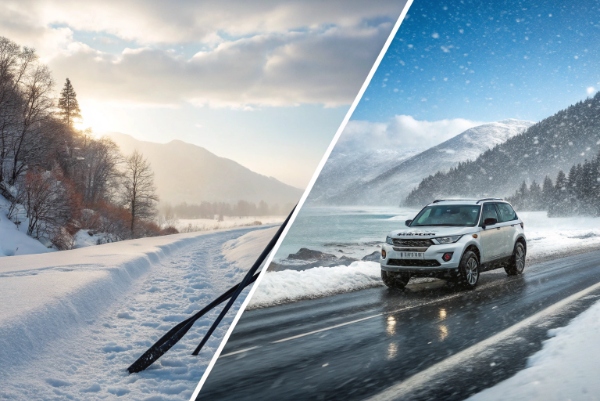 Winter vs all-season wiper blades side by side in snow and rain
You now see why the choice matters. Let’s examine the real risks of using the wrong blades, common buyer mistakes, a clear technical comparison, why Topex solutions stand out, and the action you should take today.
Why Using the Wrong Wiper Blades in Winter Can Put You in Real Danger?
I have heard too many stories from drivers and fleet managers. They used all-season blades through winter. Visibility dropped. Accidents nearly happened. The risk is real and avoidable.
Using all-season blades in heavy snow and ice causes freeze-up, streaking, and loss of contact. This reduces visibility dramatically and increases accident risk, especially at highway speeds.
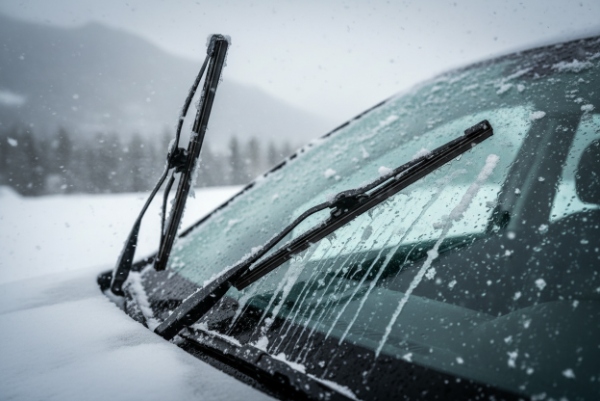 All-season blades failing in heavy snow with ice buildup
Ice Buildup on Frames
Traditional all-season blades have exposed metal frames. Snow packs inside. The blade freezes solid and stops working effectively.
Stiff Rubber in Extreme Cold
All-season rubber hardens below freezing. It cannot follow the glass curve. Streaks and blind spots appear quickly.
Reduced Contact Pressure
Frozen or stiff blades lose even pressure. Parts of the windshield remain unwiped. Hazards stay hidden.
Increased Accident Risk
Poor visibility in winter weather is a leading cause of crashes. Drivers react slower when they cannot see clearly.
Fleet Downtime Cost
Commercial vehicles lose hours when wipers fail. Deliveries delay. Safety records suffer. Costs rise fast.
| Risk in Winter | All-Season Blades | Real Consequence |
|---|---|---|
| Ice buildup | Exposed frames | Complete wipe failure |
| Rubber stiffening | Hardens in cold | Streaks and blind spots |
| Loss of contact | Uneven pressure | Hidden road hazards |
| Safety impact | Higher accident risk | Dangerous driving conditions |
This table shows the real danger. Many drivers underestimate winter conditions until it is too late.
My Winter Drive Story
Last January I drove with all-season blades during a sudden snowstorm. Ice built up fast. Visibility dropped to almost zero. I pulled over and switched to winter blades. The difference was night and day.
Fleet Manager Feedback
Fleet operators report more breakdowns in winter when using all-season blades. Switching to dedicated winter blades reduced weather-related incidents significantly.
Wrong choice creates real danger. Let’s look at common mistakes next.
The Most Common Mistakes Drivers and Distributors Make When Choosing Winter vs All-Season Blades?
I see the same mistakes repeated every season. They seem small but create big problems for safety and budgets.
The biggest mistakes include believing all-season blades are enough for winter, buying cheap winter blades that fail quickly, ignoring climate-specific needs, and not switching blades seasonally. These errors lead to poor performance and unnecessary expense.
Believing All-Season Is Always Enough
Many drivers think one set of blades works year-round. In heavy snow they discover the hard way that this is not true.
Choosing Low-Quality Winter Blades
Cheap winter blades often have poor rubber and weak frames. They crack or lose flexibility after one season.
Ignoring Local Climate Needs
Mild winter areas do well with premium all-season or hybrid. Heavy snow regions need dedicated winter blades with protective boots.
Failing to Switch Seasonally
Leaving winter blades on in spring and summer causes faster wear and reduced performance in rain.
Distributors Stocking Wrong Mix
Many wholesalers stock too many of one type and not enough of the other. This leads to stockouts and lost sales.
| Common Mistake | Typical Result | Real Cost |
|---|---|---|
| All-season in heavy snow | Freeze-up and streaking | Safety risk + frustration |
| Cheap winter blades | Quick failure | Frequent replacements |
| Ignoring climate | Suboptimal performance | Poor visibility |
| No seasonal switch | Faster wear | Higher annual cost |
This table highlights costly mistakes. Avoiding them saves money and improves safety.
My Customer Story
A family in Minnesota used all-season blades through winter. They called me after a near-miss in a blizzard. We recommended proper winter blades. They now switch seasonally and drive with confidence.
Distributor Experience
One wholesaler stocked mostly all-season blades. Customers in northern states complained constantly. After balancing inventory with dedicated winter blades, sales stabilized and satisfaction improved.
Mistakes are common. Let’s compare the two types clearly.
Winter vs All-Season Wiper Blades: A Clear Technical Comparison for 2026?
Choosing between winter and all-season blades should be based on facts, not habits. Here is a practical side-by-side comparison.
Winter blades feature protective boots and heavier rubber for snow and ice. All-season blades focus on versatility and rain performance. The best choice depends on your local climate and driving patterns.
Structure and Design
Winter blades have a full rubber or plastic cover over the frame. This prevents snow and ice from packing inside. All-season blades are usually beam or hybrid style with open or minimal frames.
Material Performance
Premium winter blades use special cold-resistant rubber or silicone that stays flexible below -30°C. All-season blades use standard rubber that works well in mild to moderate conditions.
Highway and High-Speed Behavior
Both can perform well at highway speeds when chosen correctly. Winter blades with spoilers maintain excellent contact in snow. High-quality all-season beam blades reduce wind lift in rain.
Lifespan and Durability
Dedicated winter blades often last one harsh season but perform reliably. Premium all-season or hybrid blades can last 12–24 months with proper care.
Cost Consideration
Winter blades cost more upfront but save money by reducing replacements in cold regions. All-season blades offer better value in mild climates.
| Feature | Winter Blades | All-Season Blades |
|---|---|---|
| Snow & Ice Protection | Excellent (with boot) | Moderate |
| Rain Performance | Good | Excellent |
| Cold Flexibility | Superior | Good in mild cold |
| Lifespan | 6–12 months in harsh conditions | 12–24 months |
| Best Climate | Heavy snow & ice regions | Mixed or mild weather |
This table gives you a clear comparison. Use it to match blades to your needs.
My Real-World Test
I tested both types side by side during winter. Winter blades with boots cleared heavy snow much better. All-season blades performed excellently once temperatures rose.
Fleet Comparison
Fleet operators in northern states prefer dedicated winter blades for safety. Southern fleets stick with premium all-season or hybrid for year-round convenience.
Comparison clear. Topex advantage next.
Why TOPEX Winter and All-Season Wiper Blades Outperform Standard Options?
After testing many brands, Topex consistently delivers superior performance in both categories.
Topex winter blades feature reinforced boots and cold-resistant silicone. Their all-season and hybrid lines use advanced beam designs and durable materials. Both deliver longer life, better wipe quality, and stronger value.
Advanced Winter Design
Topex winter blades use full protective boots and flexible silicone that stays soft in extreme cold. Ice buildup is minimized.
Premium All-Season Performance
Topex all-season blades combine beam technology with high-grade rubber or silicone. They provide excellent rain performance and quiet operation.
Durability Advantage
Rigorous testing shows Topex blades last longer than standard options. Fewer replacements mean lower long-term cost.
Multi-Fit Convenience
Many Topex models use multi-fit adapters. This simplifies inventory for distributors and makes installation easier for everyone.
Real-World Reliability
Fleet customers report consistent performance across seasons. Fewer complaints and higher satisfaction.
| Topex Advantage | Winter Blades Benefit | All-Season Benefit |
|---|---|---|
| Material quality | Cold-resistant silicone | Durable all-weather compound |
| Protective design | Full boot coverage | Aerodynamic beam style |
| Longevity | Extended life in harsh conditions | 12–24 months typical |
| Multi-fit options | Easier inventory management | Broad vehicle coverage |
This table shows why Topex outperforms standard options. Real engineering makes the difference.
My Fleet Test
We equipped a fleet with Topex winter blades. Ice buildup dropped dramatically. Drivers reported clearer vision and fewer stops.
Distributor Feedback
Wholesalers who stock Topex winter and all-season lines see faster turnover and fewer returns. Customers ask for the brand by name.
Topex outperforms. Time to choose wisely.
Ready to Choose the Right Wiper Blades for Your Climate? Get Expert Advice Now?
Winter driving demands the right tools. Don’t wait for the next storm to discover you have the wrong blades.
Ready to choose the right wiper blades for your climate? Contact Topex today. Get expert advice, free samples, and a customized 2026 quote tailored to your needs.
Get Your Winter vs All-Season Wiper Blade Recommendation & Quote
Chat with Our Wiper Expert on WhatsApp
Download the 2026 Winter vs All-Season Buyer’s Guide
Free samples available • Climate-specific advice • Bulk pricing for fleets & shops
Conclusion
Winter and All-Season wiper blades each have their place, but choosing the wrong one can seriously compromise safety and cost you time and money. Traditional all-season blades often fail in heavy snow and ice, while dedicated winter blades may underperform in mild or rainy conditions.
In 2026, the smartest choice is matching the blade type to your climate, driving habits, and performance expectations. Premium silicone winter blades and high-quality all-season hybrids now deliver the best of both worlds for many drivers and fleets.
TOPEX offers technically advanced solutions in both categories — built for real-world reliability, longer life, and better value.
Don’t settle for mediocre visibility when the weather turns bad. Choose wiper blades engineered for the conditions you actually face.
Frequently Asked Questions About Winter vs All-Season Wiper Blades
What is the main difference between winter and all-season wiper blades?
Winter blades have protective boots to prevent snow and ice buildup. All-season blades focus on versatility and rain performance with beam or hybrid designs.
Are winter wiper blades necessary if I live in a mild climate?
In mild climates, high-quality all-season or hybrid blades are usually sufficient. Dedicated winter blades provide extra protection only in regions with heavy snow and ice.
How long do winter wiper blades typically last?
Quality winter blades last one harsh season (6–12 months) with proper care. Premium silicone winter blades can last longer in mixed conditions.
Can all-season blades handle heavy snow and ice?
All-season blades can work in light snow but often struggle with heavy accumulation and extreme cold. Dedicated winter blades perform better in harsh conditions.
Which type is better for highway driving in winter?
Winter blades with aerodynamic spoilers usually perform better in snowy highway conditions. Premium all-season beam blades work well in mixed rain and light snow.
Does TOPEX offer both winter and all-season wiper blades?
Yes. Topex provides advanced winter blades with protective boots and high-performance all-season/hybrid lines designed for different climates and needs.

--- END ---


