
Which Is Better: Silicone or Rubber Wiper Blades?
May 15, 2026
You drive in heavy rain and your wipers streak badly. You hear annoying chatter at highway speeds. Replacing blades every few months is frustrating and expensive. Many drivers face this cycle and wonder which material actually lasts.
Silicone wiper blades last longer, stay quieter, and perform better in extreme conditions than traditional rubber. They offer superior durability and value for most drivers, but rubber still has advantages in specific situations.
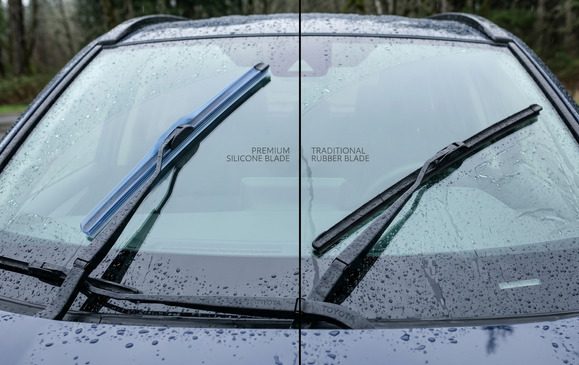
You now see why this choice matters for safety and cost. Let’s break down the differences so you can make the right decision for your vehicle and driving habits.
What Are Rubber Wiper Blades?
I have used traditional rubber wiper blades on many vehicles over the years. They remain a common choice because they are affordable and widely available. Understanding their design helps you know when they work best.
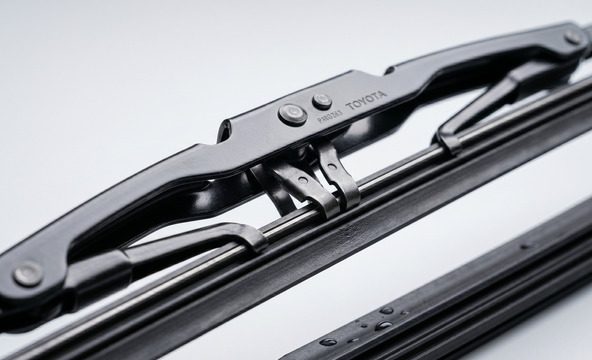
Rubber wiper blades use natural or synthetic rubber compounds attached to a metal frame. This traditional design has been standard for decades and offers good initial flexibility at a low price.
Basic Construction
Rubber blades consist of a metal superstructure with multiple claws that hold the rubber strip. The frame applies pressure at several points to follow the windshield.
Advantages in Daily Use
They are inexpensive and easy to find. Replacement rubber refills are cheap and simple to install. They perform adequately in mild weather and cold temperatures.
Performance Characteristics
Rubber provides good flexibility when new. It clears light to moderate rain well. Many budget-conscious drivers choose them for older vehicles.
Limitations Over Time
Rubber hardens with UV exposure and age. It cracks, streaks, and becomes noisy after 6–12 months. The metal frame can collect ice and snow in winter.
Cost and Availability
Rubber blades are the lowest cost option. They remain popular for cost-sensitive markets and vehicles with flat windshields.
| Aspect | Rubber Blades Strength | Common Limitation |
|---|---|---|
| Initial cost | Very affordable | Higher long-term replacement |
| Cold weather | Good flexibility | Hardens with age |
| Availability | Everywhere | Shorter lifespan |
This table shows where rubber blades excel and where they fall short. They remain a practical choice for many situations.
My Early Experience
I started with rubber blades on my first car. They worked fine for the first season but started streaking and chattering after eight months. I had to replace them often.
Owner Feedback
Many Toyota and Honda owners still use rubber blades for their older models. They appreciate the low cost but often complain about frequent replacement.
Rubber blades have a long history. Let’s look at the modern silicone alternative next.
What Are Silicone Wiper Blades?
I switched to silicone blades a few years ago. The difference in performance and longevity surprised me. They represent a clear upgrade for many drivers.
Silicone wiper blades use synthetic silicone rubber instead of traditional rubber. This advanced material offers better durability, temperature resistance, and water repellency than standard rubber blades.
Modern Construction
Silicone blades often use a frameless beam design with a single flexible spine. The silicone edge provides smooth contact and leaves a protective hydrophobic layer on the glass.
Key Innovations
Silicone resists UV rays, ozone, and extreme temperatures better than rubber. Many premium versions include Teflon or ceramic coatings for reduced friction.
Performance Benefits
Silicone stays flexible longer. It reduces streaking and produces less noise. The hydrophobic effect helps water bead and roll off the windshield.
Durability Advantage
High-quality silicone blades last 18–36 months with proper care. This makes them more cost-effective over time despite higher upfront price.
Installation and Compatibility
Silicone blades use the same adapters as rubber. They fit most vehicles and install easily without special tools.
| Feature | Silicone Blades Benefit | Real-World Advantage |
|---|---|---|
| Material durability | Resists UV and ozone | Longer lifespan |
| Temperature range | Flexible in extremes | Better all-weather use |
| Water repellency | Hydrophobic coating | Fewer streaks |
| Noise level | Very quiet | Smoother driving |
This table highlights silicone advantages. Many drivers upgrade for these benefits.
My Switch Story
After years of rubber blades, I tried silicone. They lasted over two years with almost no streaking. The quiet operation made highway driving much more comfortable.
Customer Reports
Toyota and Honda owners frequently report longer life and better rain performance after switching to silicone. Many say the extra cost pays for itself within a year.
Silicone brings clear improvements. Let’s compare them directly next.
Key Differences: Silicone vs Rubber Wiper Blades
I have tested both materials side by side on the same vehicles. The differences become obvious after a few months of use.
Silicone blades offer longer life, better temperature resistance, and quieter operation. Rubber blades provide lower upfront cost and good performance in mild conditions. The choice depends on your priorities.
Durability and Lifespan
Silicone resists degradation from sun and ozone. It lasts significantly longer than rubber. Rubber wears faster and needs more frequent replacement.
Temperature Performance
Silicone stays flexible in both extreme heat and cold. Rubber hardens in cold and softens in heat. This makes silicone more reliable year-round.
Water Clearing Ability
Silicone’s hydrophobic properties help water bead and roll off. Rubber pushes water but leaves more streaks over time.
Noise and Vibration
Silicone glides smoother with less chatter. Rubber becomes noisier as it ages. This improves driving comfort.
Cost Over Time
Rubber costs less initially but requires more replacements. Silicone costs more upfront but saves money long term.
| Difference | Silicone Blades | Rubber Blades |
|---|---|---|
| Lifespan | 18–36 months | 6–12 months |
| Temperature resistance | Excellent | Moderate |
| Water repellency | Strong hydrophobic | Basic |
| Noise level | Very quiet | Increases with age |
| Long-term cost | Lower | Higher |
This table summarizes the main differences. Silicone wins in most long-term comparisons.
My Side-by-Side Test
I ran silicone on one side and rubber on the other for six months. Silicone stayed quieter and clearer. Rubber started streaking after four months.
Owner Experiences
Many drivers report switching to silicone reduced replacement frequency and improved visibility. Rubber remains popular for budget applications.
Differences are clear. Let’s look at real-world performance next.
Pros and Cons: Real-World Performance in Different Conditions
I have used both types in various climates and conditions. Real-world performance tells the full story beyond specifications.
Silicone blades excel in heat, rain, and long-term use. Rubber blades perform well in cold and budget scenarios. Understanding real conditions helps you choose the right material.
Heavy Rain Performance
Silicone clears water faster and leaves fewer streaks. The hydrophobic effect helps visibility at speed. Rubber works but often leaves more residue.
Winter and Snow Conditions
Rubber stays more flexible in deep cold. Silicone performs well but may feel slightly stiffer initially. Both need proper maintenance.
Hot and Sunny Climates
Silicone resists UV degradation much better. Rubber cracks and hardens faster in intense sun. This makes silicone ideal for desert or southern regions.
Highway Speeds
Silicone runs quieter with less vibration. Rubber can chatter more as it ages. This improves comfort on long drives.
Long-Term Ownership
Silicone requires fewer replacements. Rubber costs less initially but adds up over time. Many owners find silicone better value after one year.
| Condition | Silicone Performance | Rubber Performance |
|---|---|---|
| Heavy rain | Excellent | Good |
| Extreme cold | Very good | Excellent |
| Hot sunny weather | Superior | Poor |
| Highway driving | Quieter | More chatter over time |
| Long-term value | Better | Lower |
This table reflects real driving experiences. Match the material to your primary conditions.
My Year-Round Test
I used silicone in summer and rubber in winter on different vehicles. Silicone handled heat and rain better. Rubber performed adequately in cold but needed earlier replacement.
Driver and Fleet Feedback
High-mileage drivers prefer silicone for longevity. Budget fleets still use rubber where conditions are mild. The trend is shifting toward silicone.
Real performance varies. Let’s move to how to choose the right blades.
How to Choose the Right Wiper Blades for Your Car?
Choosing the right blades does not have to be complicated. A few key factors guide the decision.
Consider your local climate, vehicle type, driving habits, and budget. Match blade material to your real needs for best results and longest life.
Climate Considerations
Heavy rain or sun? Choose silicone. Cold winters with mild summers? Rubber or hybrid may suffice. Mixed climates benefit from premium options.
Vehicle Type and Windshield
Newer vehicles with curved glass work best with frameless silicone. Older flat windshields can use traditional rubber effectively.
Budget and Long-Term Value
Budget buyers can start with quality rubber. Those wanting fewer replacements should invest in silicone. Calculate cost per month for true value.
Installation and Maintenance
Both types install similarly. Keep windshields clean and replace every 6–12 months. Silicone needs less frequent attention.
Final Buying Tips
Check your owner’s manual for size. Read recent reviews for your model. Consider trying a set of silicone if you drive frequently in rain or heat.
| Selection Factor | Silicone Recommendation | Rubber Recommendation |
|---|---|---|
| Hot/sunny climate | Best choice | Avoid long-term |
| Cold winter | Very good | Excellent for mild cold |
| Budget priority | Long-term savings | Lower initial cost |
| High-mileage driving | Superior value | Frequent replacement |
This table helps you decide quickly. Match your situation to the right material.
My Buying Process
For my daily driver in a rainy area, I chose silicone. For my older weekend car, rubber works fine. The choice depends on usage and conditions.
Owner Advice
Always buy the correct size. Test in real conditions. Quality matters more than brand name alone.
Choosing correctly improves safety and saves money. Let’s conclude.
Conclusion
There’s no universal “best” wiper blade — it all comes down to your climate, driving habits, and budget. Rubber blades remain a reliable, affordable choice that excels in cold weather and moderate conditions, offering excellent flexibility at a lower price. Silicone blades, however, deliver superior durability, quieter operation, water-beading performance, and longer lifespan, making them the smarter long-term investment for hot, sunny, or high-mileage drivers.
In 2026, premium silicone-ceramic hybrids are closing the gap even further with better cold-weather performance and no residue issues. Replace your blades every 6–12 months (or sooner if streaking appears), keep your windshield clean, and you’ll enjoy clearer, safer drives no matter which material you choose. Match the blade to your real-world conditions, and you’ll never regret the decision.
Shop Topex Silicone Wiper Blades
Browse Topex Premium Rubber and Hybrid Options
Frequently Asked Questions About Silicone vs Rubber Wiper Blades
Are silicone wiper blades really worth the extra money?
Yes for most drivers. Although the upfront cost is higher, longer life and better performance usually deliver lower cost per year and improved visibility.
How long do silicone vs rubber wiper blades typically last?
Silicone blades last 18–36 months with proper care. Rubber blades typically last 6–12 months. Actual life depends on climate and maintenance.
Do silicone wiper blades perform well in cold winter conditions?
Yes. High-quality silicone stays flexible in cold and resists ice buildup better than aging rubber. Premium formulations perform reliably in winter.
Do silicone blades leave a film or smear on the windshield?
High-quality silicone leaves a beneficial hydrophobic layer that improves water beading. Cheap versions may smear initially but good brands do not.
Can I use silicone wiper blades in extreme heat or desert climates?
Yes. Silicone resists UV and heat better than rubber. It maintains performance longer in hot, sunny conditions.
What’s the best wiper blade material for high-mileage or fleet vehicles?
Silicone is usually best for high-mileage and fleet use. Longer life and fewer replacements reduce long-term costs and downtime.

--- END ---


