
Frame vs Frameless Wiper Blades: Which Is Better?
May 12, 2026
You turn on your wipers in the rain. Streaks appear. The blades chatter loudly. Visibility drops. Many drivers face this frustration every season because they chose the wrong blade type.
Frame wiper blades are traditional and budget-friendly. Frameless (beam) blades offer better contact and quieter performance. The best choice depends on your vehicle, climate, and driving needs.
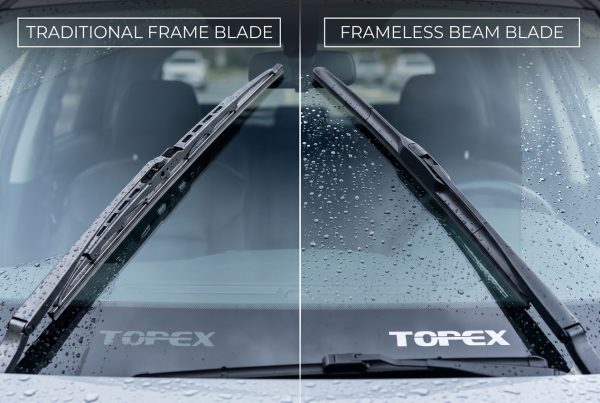
You now see why this decision matters for clear vision and safety. Let’s explore the differences so you can choose confidently and avoid common regrets.
What Are Frame (Conventional) Wiper Blades?
I have used traditional frame blades for many years on older vehicles. They get the job done in normal conditions but show limitations when weather turns bad. Understanding their design helps you know when they work best.
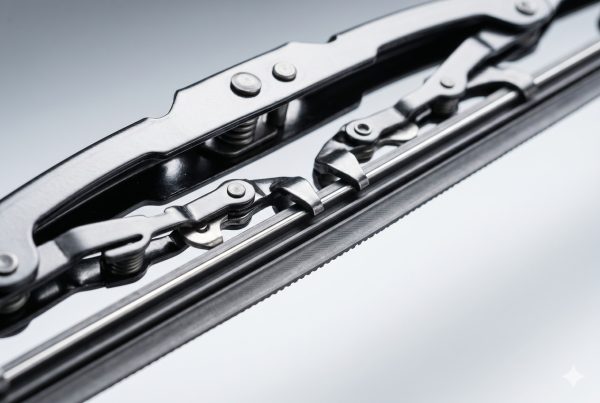
Frame wiper blades use a metal superstructure with multiple pressure points. This classic design has been reliable for decades but faces challenges with modern curved windshields and high speeds.
Basic Construction
Frame blades consist of a metal frame, rubber blade, and several claws that distribute pressure. The frame holds everything together and connects to the wiper arm.
Advantages in Certain Conditions
They are affordable and widely available. The rigid structure works well on flat or older windshields. Replacement rubber refills are cheap and easy to find.
Limitations on Modern Vehicles
Modern windshields are highly curved. Frame blades struggle to maintain even pressure. This leads to streaks on the edges and center.
Performance in Weather
In light rain they perform adequately. In heavy rain or snow the frame can collect ice and snow. This causes lift and poor contact.
Cost and Availability
Frame blades are the lowest cost option. They remain popular for budget-conscious drivers and older vehicles where compatibility is simple.
| Aspect | Frame Blades Advantage | Limitation |
|---|---|---|
| Price | Very affordable | Higher long-term cost |
| Flat glass | Good pressure | Poor on curved glass |
| Snow/ice | Prone to buildup | Reduced performance |
| Replacement | Easy refills | Full blade often needed |
This table shows where frame blades excel and where they fall short. Many drivers still use them successfully on older cars.
My Early Experience
I started with frame blades on my first car. They worked fine in dry seasons but left streaks during heavy rain. The metal frame collected dirt and reduced flexibility over time.
Distributor Perspective
Wholesalers tell me frame blades still sell well for cost-sensitive markets. However, returns increase when customers use them on newer vehicles with curved glass.
Frame blades have a solid history. Let’s look at the modern alternative next.
What Are Frameless (Beam) Wiper Blades?
I switched to frameless blades a few years ago. The difference in performance surprised me. They hug the windshield better and run much quieter.
Frameless beam wiper blades use a single flexible spine instead of a metal frame. This design follows the curve of modern windshields and reduces wind lift at high speeds.
Modern Construction
Beam blades have a curved metal or composite spine covered by rubber. No exposed frame means less ice buildup and better aerodynamics.
Key Innovations
Built-in spoilers direct airflow downward. This keeps the blade pressed against the glass even at highway speeds. Infinite contact points improve wipe quality.
Performance Benefits
They reduce chatter and vibration. Water clears more evenly. Visibility stays better in heavy rain and at high speeds.
Durability Factors
Fewer moving parts mean less wear. Premium beam blades with silicone edges last longer than traditional rubber.
Installation Simplicity
Most frameless blades use universal or vehicle-specific adapters. Installation is usually quick and tool-free.
| Feature | Frameless Beam Advantage | Benefit for Drivers |
|---|---|---|
| Flexible spine | Follows curved glass | Even wipe, fewer streaks |
| Aerodynamic shape | Less wind lift | Stable at highway speeds |
| No metal frame | Reduced ice buildup | Better winter performance |
| Fewer parts | Less vibration | Quieter operation |
This table highlights why frameless blades are popular on newer vehicles. The design matches modern windshield technology.
My Switch Experience
After switching to frameless blades, streaks almost disappeared. The wipers stayed quiet even at 70 mph. I wished I had made the change earlier.
Customer Feedback
Many drivers report smoother operation and longer life after upgrading to beam blades. The reduction in noise is especially appreciated on long drives.
Frameless blades bring modern advantages. Let’s compare them directly next.
Key Differences: Frame vs Frameless Wiper Blades
I have compared both types side by side on the same vehicle. The differences become clear during real driving conditions. Here is what you need to know.
Frame blades offer traditional strength and low cost. Frameless blades provide better adaptability and aerodynamics. Understanding these differences helps you select the right blade for your vehicle and climate.
Construction and Design
Frame blades use a metal superstructure with multiple pressure points. Frameless blades rely on a single flexible spine for natural curvature.
Performance on Curved Glass
Frameless blades maintain even contact on modern curved windshields. Frame blades often leave gaps on the edges.
High-Speed Behavior
Frameless designs reduce wind lift thanks to integrated spoilers. Frame blades are more prone to lifting at highway speeds.
Winter Performance
Frameless blades resist ice buildup better because they have fewer exposed parts. Frame blades can collect snow in the superstructure.
Cost and Longevity
Frame blades are cheaper upfront. Frameless blades usually last longer and require fewer replacements over time.
| Difference | Frame Blades | Frameless Blades |
|---|---|---|
| Design | Metal frame + claws | Single flexible spine |
| Curved glass contact | Moderate | Excellent |
| Wind lift at speed | Higher | Lower |
| Ice/snow buildup | More likely | Less likely |
| Long-term cost | Higher due to replacements | Lower |
This table summarizes the key differences. Both types have their place depending on your needs.
My Direct Comparison
I ran both types on the same car for one season. Frameless blades provided noticeably better wipe quality and less noise during highway driving.
Wholesaler Insight
Distributors report that frameless blades sell better on newer vehicles. Frame blades remain popular for budget and older car applications.
Differences are clear. Let’s look at real-world performance next.
Pros and Cons: Which Performs Better in Real Conditions?
I have tested both types in rain, snow, and highway conditions. Each has strengths and weaknesses. Real performance depends on your driving environment.
Frame blades offer low cost and good durability on flat glass. Frameless blades excel in rain, high speeds, and curved windshields. Understanding pros and cons helps you choose wisely.
Pros of Frame Blades
They are inexpensive and widely available. The rigid structure provides solid performance on older vehicles. Replacement refills are cheap.
Cons of Frame Blades
They struggle on curved glass and at high speeds. Ice and snow buildup is common in winter. Chatter and streaking occur more often.
Pros of Frameless Blades
Better contact on curved surfaces. Reduced wind lift and noise. Longer life with premium materials. Cleaner wipe in heavy rain.
Cons of Frameless Blades
Higher upfront cost. Some cheap versions underperform. Full blade replacement is required when worn.
Real Condition Performance
In heavy rain, frameless blades usually clear water faster. In snow, premium frameless with silicone edges resist buildup better.
| Condition | Frame Blades Performance | Frameless Blades Performance |
|---|---|---|
| Light rain | Good | Excellent |
| Heavy rain | Fair | Very good |
| Highway speeds | Moderate | Excellent |
| Winter snow/ice | Fair | Good (with proper design) |
| Long-term cost | Higher | Lower |
This table shows real-world performance differences. Choose based on your primary driving conditions.
My Seasonal Test
During summer rain, frameless blades were quieter and left fewer streaks. In winter, they handled light snow better than traditional frame blades.
User Experience Summary
Many drivers report smoother operation and less maintenance after switching to frameless. Budget users still prefer frame blades for older cars.
Performance comparison done. Let’s move to choosing the right blades.
How to Choose the Right Wiper Blades for Your Vehicle?
Choosing the right blades does not have to be complicated. A few key factors guide the decision.
Consider your vehicle age, local climate, driving habits, and budget. Match blade type to your windshield shape and usage patterns for best results.
Vehicle Age and Windshield Shape
Older vehicles with flatter glass work well with frame blades. Newer vehicles with curved glass benefit from frameless designs.
Climate Considerations
Heavy rain or snow? Choose blades with good aerodynamics and flexible edges. Mild climates allow more flexibility in choice.
Budget and Longevity
Budget buyers can start with quality frame blades. Those wanting longer life and better performance should consider frameless options.
Installation and Maintenance
Both types install similarly. Frameless usually require full blade replacement. Keep windshields clean for maximum life.
Final Selection Tips
Check your owner’s manual for recommended sizes. Read recent reviews for your specific vehicle. Test a set if possible.
| Selection Factor | Recommendation | Reason |
|---|---|---|
| Older/flat glass | Frame blades | Good pressure |
| Newer/curved glass | Frameless blades | Better contact |
| Heavy rain/snow | Premium beam or hybrid | Reduced lift and buildup |
| Budget priority | Quality frame blades | Lower initial cost |
This table helps you decide quickly. Match your situation to the right blade type.
My Vehicle Choice Process
For my sedan with curved glass, I chose frameless. For my older truck, frame blades still work well. The choice depends on the vehicle.
Distributor Advice
Stock both types. Educate customers on the differences. This builds trust and increases satisfaction.
Choosing correctly saves time and money. Let’s conclude.
Conclusion
The choice between frame and frameless wiper blades ultimately depends on your driving habits, local climate, and priorities. Traditional framed blades remain a reliable, budget-friendly option for mild conditions or older vehicles, offering solid durability where cost matters most. Frameless (beam) blades, however, deliver superior even pressure, quieter operation, better high-speed stability, and corrosion resistance—making them the preferred upgrade for most modern drivers, especially in rainy, snowy, or coastal areas.
Whichever you select, replace blades every 6–12 months (or sooner if streaking/skipping occurs) and keep your windshield clean for maximum lifespan. Clear visibility isn’t a luxury—it’s a safety essential. Invest wisely, and you’ll enjoy streak-free drives for longer.
Shop Topex Frame and Frameless Wiper Blades
Browse Topex Premium Beam Wiper Collection
Frequently Asked Questions About Frame vs Frameless Wiper Blades
Are frameless wiper blades always better than framed ones?
No. Frameless blades perform better on curved windshields and at high speeds. Framed blades remain a good choice for older vehicles and tight budgets.
How long do frame vs frameless wiper blades typically last?
Quality framed blades last 6–12 months. Premium frameless blades often last 12–24 months with proper care. Actual life depends on climate and maintenance.
Do frameless wipers work well in heavy snow or winter conditions?
Yes, especially premium models with silicone edges. They resist ice buildup better than traditional framed blades due to fewer exposed parts.
Can I install frameless blades on any car, or are there compatibility issues?
Most vehicles accept frameless blades with the correct adapter. Always verify arm type and size for perfect fit.
Why do some frameless wipers lift or skip at high speeds?
Cheap or poorly designed frameless blades lack proper spoilers. Quality models with aerodynamic features stay planted at highway speeds.
Are hybrid wiper blades a good middle-ground option between frame and frameless?
Yes. Hybrid blades combine a sturdy frame with aerodynamic elements. They offer good performance and durability for many vehicles.

--- END ---


