
Hybrid vs Conventional Wiper Blades: Differences & Selecting Tips
May 11, 2026
Your wipers streak in rain. They chatter loudly at highway speeds. You replace them often and still face poor visibility. Many drivers deal with this frustration because they do not understand the real differences between blade types.
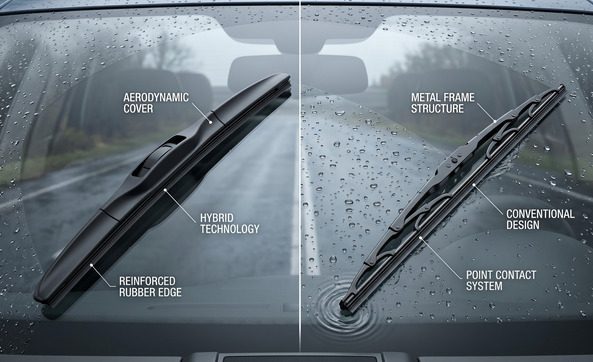
Hybrid wiper blades combine traditional strength with modern aerodynamics. Conventional blades use a classic framed design. The best choice depends on your climate, vehicle, and budget.
You now see why this decision matters for clear vision and safety. Let’s break down each type so you can choose the right blades for your vehicle and driving conditions.
What Are Conventional Wiper Blades?
I have used conventional wiper blades on many older vehicles over the years. They remain a common and affordable choice for many drivers. Understanding their design helps you know when they still make sense.
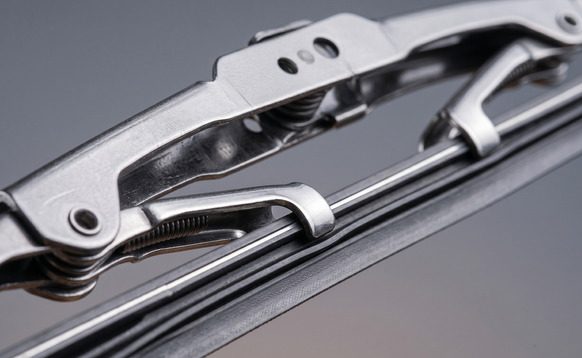
Conventional wiper blades use a metal frame with multiple pressure points and a rubber blade. This traditional design has been reliable for decades and offers good value for budget-conscious owners.
Basic Construction
Conventional blades consist of a metal superstructure with claws that hold the rubber strip. The frame distributes pressure at several points across the windshield.
Advantages in Daily Use
They are inexpensive and widely available. Replacement rubber refills are cheap and easy to install. They perform adequately in mild weather and on flat windshields.
Performance in Normal Conditions
They provide solid wiping in light to moderate rain. The rigid frame works well on older vehicles with less curved glass.
Limitations on Modern Cars
Modern windshields are highly curved. Conventional blades struggle to maintain even pressure. This leads to streaks on the edges and center.
Cost and Availability
Conventional blades are the lowest cost option. They remain popular for budget buyers and older vehicles where compatibility is simple.
| Aspect | Conventional Blades Strength | Common Limitation |
|---|---|---|
| Price | Very affordable | Higher long-term cost |
| Flat glass | Good pressure | Poor on curved glass |
| Availability | Everywhere | Shorter lifespan |
This table shows where conventional blades excel and where they fall short. They remain a practical choice for many situations.
My Early Experience
I started with conventional blades on my first car. They worked fine for the first season but started streaking and chattering after eight months. I had to replace them often.
Owner Feedback
Many Toyota and Honda owners still use conventional blades for their older models. They appreciate the low cost but often complain about frequent replacement.
Conventional blades have a long history. Let’s look at the modern hybrid alternative next.
What Are Hybrid Wiper Blades?
I switched to hybrid wiper blades a few years ago. The combination of traditional strength and modern design surprised me with better all-weather performance.
Hybrid wiper blades combine a sturdy metal frame with an aerodynamic cover and flexible blade element. This design offers better pressure distribution and wind resistance than conventional blades.

Modern Construction
Hybrid blades use a metal frame for strength and a plastic or metal spoiler for aerodynamics. The rubber element provides flexible contact with the glass.
Key Innovations
The aerodynamic cover reduces wind lift at high speeds. The hybrid structure maintains even pressure on curved windshields better than traditional frames.
Performance Benefits
Hybrid blades reduce chatter and vibration. They clear water more evenly in rain and resist snow buildup better than conventional designs.
Durability Factors
The protective cover shields the frame from corrosion and ice. This extends overall lifespan compared to fully exposed conventional blades.
Installation and Compatibility
Hybrid blades use the same adapters as conventional ones. Installation is straightforward and works on most vehicles.
| Feature | Hybrid Blades Benefit | Real-World Advantage |
|---|---|---|
| Aerodynamic cover | Reduced wind lift | Stable at highway speeds |
| Frame strength | Durable structure | Better in heavy snow |
| Flexible element | Even pressure | Fewer streaks |
| Protective design | Less corrosion | Longer life |
This table highlights hybrid advantages. Many drivers upgrade for these benefits.
My Switch Experience
After years of conventional blades, I tried hybrid. They reduced noise and improved wipe quality in rain. The difference was noticeable immediately.
Customer Reports
Many drivers report smoother operation and longer life after switching to hybrid blades. The balance of durability and performance appeals to practical owners.
Hybrid blades bring modern advantages. Let’s compare them directly next.
Key Differences: Hybrid vs Conventional Wiper Blades
I have compared both types side by side on the same vehicles. The differences become clear after several months of use.
Hybrid blades combine traditional strength with aerodynamic advantages. Conventional blades offer simple reliability at lower cost. Understanding these differences helps you choose the right blade for your needs.

Construction and Design
Conventional blades use a full metal frame with multiple claws. Hybrid blades add an aerodynamic cover while keeping the frame for strength.
Performance on Curved Glass
Hybrid blades maintain better even pressure on modern curved windshields. Conventional blades often leave gaps on the edges.
High-Speed Behavior
Hybrid designs reduce wind lift thanks to the spoiler. Conventional blades are more prone to lifting at highway speeds.
Winter Performance
Hybrid blades resist ice buildup better because of the protective cover. Conventional blades can collect snow in the frame.
Cost and Longevity
Conventional blades are cheaper upfront. Hybrid blades usually last longer and require fewer replacements over time.
| Difference | Hybrid Blades | Conventional Blades |
|---|---|---|
| Design | Frame + aerodynamic cover | Full metal frame |
| Curved glass contact | Better | Moderate |
| Wind lift at speed | Lower | Higher |
| Ice/snow buildup | Less likely | More likely |
| Long-term cost | Lower | Higher |
This table summarizes the key differences. Both types have strengths depending on your priorities.
My Direct Comparison
I ran hybrid on one side and conventional on the other for six months. Hybrid provided noticeably better wipe quality and less noise during highway driving.
Owner Experiences
Many drivers report smoother operation and fewer streaks after switching to hybrid. Conventional blades remain popular for budget and older car applications.
Differences are clear. Let’s look at real-world performance next.
Pros and Cons: Real-World Performance in Different Conditions
I have tested both types in various climates and conditions. Real-world performance tells the full story beyond specifications.
Hybrid blades excel in rain, high speeds, and mixed weather. Conventional blades perform well in mild conditions and tight budgets. Understanding real conditions helps you choose the right type.
Heavy Rain Performance
Hybrid blades clear water faster and leave fewer streaks. The aerodynamic cover helps maintain contact. Conventional blades work but often leave more residue.
Winter and Snow Conditions
Hybrid blades resist ice buildup better due to the cover. Conventional blades can perform adequately but collect snow more easily.
Hot and Sunny Climates
Both can work well, but hybrid blades with better materials resist UV degradation longer. Conventional blades may crack faster in intense sun.
Highway Speeds
Hybrid blades run quieter with less vibration. Conventional blades can chatter more as they age. This improves comfort on long drives.
Long-Term Ownership
Hybrid blades require fewer replacements. Conventional blades cost less initially but add up over time. Many owners find hybrid better value after one year.
| Condition | Hybrid Performance | Conventional Performance |
|---|---|---|
| Heavy rain | Excellent | Good |
| Winter snow | Very good | Fair |
| Highway speeds | Quieter | More chatter over time |
| Long-term value | Better | Lower |
This table reflects real driving experiences. Match the type to your primary conditions.
My Seasonal Test
During summer rain, hybrid blades were quieter and left fewer streaks. In winter, they handled light snow better than conventional blades.
Driver and Fleet Feedback
High-mileage drivers prefer hybrid for longevity. Budget fleets still use conventional where conditions are mild. The trend is shifting toward hybrid.
Real performance varies. Let’s move to how to choose the right blades.
How to Choose the Right Wiper Blades for Your Vehicle?
Choosing the right blades does not have to be complicated. A few key factors guide the decision.
Consider your local climate, vehicle type, driving habits, and budget. Match blade type to your windshield and usage patterns for best results and longest life.
Climate Considerations
Heavy rain or snow? Choose hybrid for better performance. Mild climates allow conventional blades to work well.
Vehicle Type and Windshield
Newer vehicles with curved glass benefit from hybrid designs. Older flat windshields can use conventional blades effectively.
Budget and Long-Term Value
Budget buyers can start with conventional blades. Those wanting longer life and better performance should consider hybrid options.
Installation and Maintenance
Both types install similarly. Keep windshields clean and replace every 6–12 months for optimal performance.
Final Selection Tips
Check your owner’s manual for recommended sizes. Read recent reviews for your specific vehicle. Consider trying a set of hybrid if you drive frequently in rain.
| Selection Factor | Hybrid Recommendation | Conventional Recommendation |
|---|---|---|
| Heavy rain/snow | Best choice | Adequate for light use |
| Mild climate | Good value | Budget-friendly |
| Newer curved glass | Superior contact | May leave gaps |
| Tight budget | Long-term savings | Lower initial cost |
This table helps you decide quickly. Match your situation to the right type.
My Buying Process
For my daily driver in a rainy area, I chose hybrid. For my older weekend car, conventional blades still work fine. The choice depends on usage and conditions.
Owner Buying Tip
Always buy the correct size. Test in real conditions. Quality matters more than brand name alone.
Choosing correctly improves safety and saves money. Let’s conclude.
Conclusion
Hybrid and conventional wiper blades each have their place, so the best choice depends on your driving conditions, climate, and budget. Conventional blades remain a solid, affordable option that delivers reliable performance in mild weather and for budget-conscious drivers. Hybrid blades, however, combine the best of both worlds — offering better aerodynamics, even pressure, quieter operation, and superior all-weather performance, especially in rain, snow, or at highway speeds.
In 2026, hybrids are the sweet spot for most drivers who want upgraded performance without jumping to full beam-style blades. Replace your wiper blades every 6–12 months (or sooner if you notice streaking or skipping), and always keep your windshield clean. Clear visibility is non-negotiable for safety — pick the right blade for your needs and drive with confidence.
Shop Topex Hybrid Wiper Blades
Browse Topex Conventional and Premium Options
Frequently Asked Questions About Hybrid vs Conventional Wiper Blades
Are hybrid wiper blades worth the extra cost compared to conventional ones?
Yes for most drivers. Hybrid blades last longer and perform better in rain and at speed. The extra cost usually pays for itself through fewer replacements.
How long do hybrid vs conventional wiper blades typically last?
Hybrid blades last 12–18 months or more with proper care. Conventional blades typically last 6–12 months. Actual life depends on climate and maintenance.
Do hybrid wiper blades perform better in winter and heavy snow?
Yes. The protective cover reduces ice buildup. They maintain better contact and flexibility than conventional blades in cold conditions.
Will hybrid wiper blades fit my vehicle if I currently use conventional ones?
Yes. Most hybrid blades use the same arm adapters as conventional ones. Always verify size and connector type for your specific vehicle.
Are hybrid wiper blades quieter than conventional framed blades?
Yes. The aerodynamic design and better pressure distribution reduce chatter and vibration, especially at highway speeds.
Can I replace just the rubber insert on hybrid or conventional wiper blades?
Yes on many models. This is a cost-effective way to maintain performance without buying full blades every time.

--- END ---


