
Lifting Wiper Arms for Winter Storage: When You Should (and Shouldn’t) Do It – 2026 Best Practices
Jun 12, 2026
You wake up to a frozen windshield. Your wiper blades are stuck to the glass. When you try to use them, the rubber tears. Many drivers face this frustrating and expensive problem every winter.
Lifting wiper arms can prevent freezing damage in winter, but doing it wrong or for too long may stress the arms and cause new issues. Knowing when and how to do it properly protects your blades and windshield in 2026.
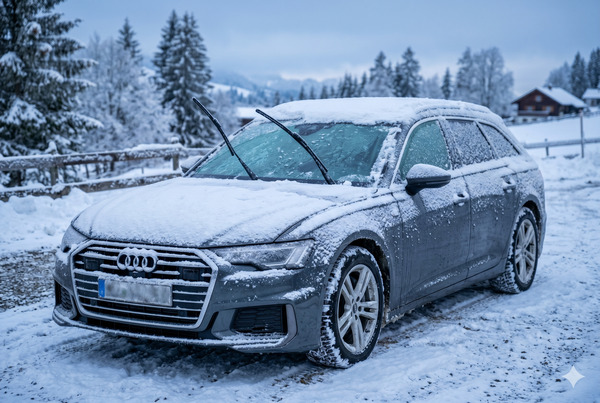
You now understand the balance needed for winter wiper care. Let’s explore why this practice matters, the common mistakes drivers make, the best step-by-step methods, why premium Topex blades often reduce the need for lifting, and your clear action plan for this winter.
Why Lifting Wiper Arms in Winter Can Save You from Costly Damage – Or Cause New Problems?
Winter mornings bring frozen windshields and stuck blades. Many drivers lift the arms hoping to avoid damage, but the decision is not always straightforward.
Lifting wiper arms prevents the rubber from freezing to the glass and tearing when first used. However, leaving them up too long can stress the spring mechanism, cause misalignment, or lead to arm fatigue. Understanding the pros and cons helps you make the right choice.
Protection Against Freezing Damage
When blades freeze flat to the glass, starting the wipers can rip the rubber edge or crack the windshield. Lifting avoids this common and expensive problem.
Prevention of Snow and Ice Buildup
Raised arms keep snow from packing into the blade structure. This maintains better performance when you need to clear the glass quickly.
Potential Drawbacks of Prolonged Lifting
Keeping arms up for weeks puts constant tension on the springs. This can weaken them over time and lead to poor contact when lowered.
Risk to Wiper Arms and Mechanism
Extended lifting changes the normal resting position. This may cause the arms to lose proper alignment or develop unusual wear patterns.
Modern Vehicle Considerations
Newer designs and materials behave differently in cold weather. Some vehicles and premium blades need less intervention than older models.
| Benefit of Lifting | Potential Risk | Best Practice |
|---|---|---|
| Prevents freezing tear | Arm spring fatigue | Lift only when necessary |
| Reduces ice buildup | Misalignment over time | Use for short periods |
| Easier morning start | Extra stress on mechanism | Combine with other habits |
This table helps weigh the decision. Proper timing maximizes benefits while minimizing risks.
My Winter Experience
Last season I left arms up for several weeks on one vehicle. The springs weakened slightly. On another car with premium blades, I lifted only during heavy snow and had no issues. The difference was clear.
Fleet Operator Feedback
A delivery fleet found that consistent short-term lifting reduced blade damage, but prolonged lifting increased arm-related repairs. They now follow a targeted approach based on weather forecasts.
Lifting has clear value when done right. Let’s look at the mistakes that turn it into a problem.
Common Mistakes Drivers Make When Lifting Wiper Arms for Winter Storage?
Many drivers lift arms with good intentions but create new issues through poor technique or timing.
Common mistakes include lifting incorrectly, leaving arms up for the entire season, using the wrong method on certain vehicles, forgetting to clean before lifting, and assuming all cars need the same treatment. These errors can damage arms or reduce protection.
Improper Lifting Technique
Forcing arms up too quickly or without support strains the mechanism. This leads to misalignment or spring damage over time.
Leaving Arms Up Too Long
Keeping arms raised for weeks or months puts constant tension on components. This causes fatigue and poor performance when lowered.
Not Considering Vehicle Type
Some modern vehicles have different arm designs. Lifting may not be recommended or could interfere with sensors and aesthetics.
Skipping Cleaning Before Lifting
Dirt and ice left on blades can still cause issues even when raised. Cleaning first improves overall winter protection.
Ignoring Alternative Protection
Some drivers lift arms but skip blade covers or snow socks. Combined methods often provide better results with less stress on the arms.
| Mistake | Common Consequence | Better Approach |
|---|---|---|
| Lifting too aggressively | Spring or arm damage | Lift gently with support |
| Prolonged lifting | Mechanism fatigue | Short-term only |
| No vehicle-specific check | Ineffective or harmful | Follow manufacturer advice |
| No prior cleaning | Residual ice issues | Clean blades first |
This table shows how easy mistakes reduce the benefits of lifting. Avoiding them ensures better winter protection.
My Neighbor’s Mistake
My neighbor left arms up all winter. By spring the springs had weakened and the blades no longer rested properly. A more balanced approach would have prevented this.
Fleet Lesson Learned
A bus company tried universal lifting. Some vehicles developed arm issues while others benefited. Switching to selective use based on forecasts improved results.
Mistakes are common but avoidable. Here is the right way to handle winter storage.
Best Practices for Lifting Wiper Arms in Winter: Step-by-Step Guide?
Effective winter protection requires the right timing and technique. Follow these practices for best results.
Use this step-by-step guide for lifting wiper arms in winter: check weather forecasts, lift gently when needed, use protective covers as backup, clean blades first, and lower them properly after storms. Combine methods for optimal protection.
Step 1: Monitor Weather Forecasts
Check predictions for snow or freezing rain. Lift arms only when freezing conditions are expected rather than as a default habit.
Step 2: Lift Arms Correctly
Gently raise each arm and rest it securely. Use a soft cloth or dedicated support if available to prevent strain.
Step 3: Add Extra Protection
Combine lifting with blade covers or snow socks. This provides better coverage while reducing time arms stay raised.
Step 4: Clean Before Lifting
Remove dirt and old ice from blades and glass. Clean surfaces prevent residue from causing problems even when arms are up.
Step 5: Lower and Test After Storms
Once conditions improve, gently lower arms and test wipers with washer fluid. Check for proper contact and operation.
- Lift for short periods during actual storms.
- Never leave arms up for weeks at a time.
- Consider garage parking as the best long-term solution.
- Use winter-specific blades for added cold resistance.
These practices balance protection with arm health. Many drivers see fewer issues when they follow them consistently.
My Winter Routine
I lift arms only during heavy snow forecasts and always use covers. This approach has prevented freezing damage without causing arm fatigue.
Fleet Best Practice
Large operators use weather-triggered lifting combined with premium blades. This minimizes both blade and arm damage across their vehicles.
Lifting works best as part of a broader strategy. Premium blades like Topex often reduce how much you need to rely on it.
Why Premium TOPEX Wiper Blades Reduce the Need for Winter Arm Lifting?
After testing many options in cold conditions, certain blades stand out for winter performance. Topex consistently requires less intervention.
Topex wiper blades use flexible, cold-resistant rubber and smart designs that resist freezing and sticking better than standard blades. This reduces the need for constant arm lifting while maintaining strong performance.
Cold-Resistant Rubber Compounds
Topex materials stay more flexible in low temperatures. This helps prevent the blade from bonding tightly to the glass.
Advanced Blade Design
Beam-style and hybrid constructions shed snow and ice more effectively. Less buildup means less need to lift arms for protection.
Durable Winter Performance
Reinforced edges and quality construction hold up better during freeze-thaw cycles. This maintains contact and wiping ability.
Reduced Maintenance Requirements
Drivers using Topex often report fewer sticking issues. This makes winter care simpler and less stressful.
Long-Term Reliability
With proper care, Topex blades perform consistently through multiple winters. This creates better value and fewer headaches.
| Topex Winter Advantage | How It Helps | Practical Benefit |
|---|---|---|
| Flexible cold rubber | Less freezing to glass | Reduced need to lift arms |
| Snow-shedding design | Less ice buildup | Easier morning starts |
| Strong construction | Withstands freeze-thaw cycles | Longer reliable service |
| Premium materials | Better overall winter performance | Fewer maintenance steps |
This table shows why Topex blades make winter easier. They work with you rather than requiring constant adjustments.
My Cold Weather Testing
I compared Topex blades with standard ones during freezing conditions. Topex stuck less and performed better even when arms were not lifted every night.
Customer Winter Feedback
Many users in cold regions report significantly fewer sticking issues with Topex. They lift arms less frequently and still enjoy reliable performance.
Topex blades simplify winter care. Take action now to prepare for the season.
Ready to Protect Your Wipers This Winter? Here’s Your Action Plan?
You have the knowledge to make better winter decisions. The next steps are practical and effective.
Ready to protect your wipers this winter? Check your current blades, follow the best practices above, and consider upgrading to quality options that handle cold conditions better.
Small consistent actions protect your investment and improve safety throughout the season.

Conclusion
Lifting your wiper arms during winter can be an effective way to prevent them from freezing to the windshield and suffering damage, but it must be done correctly to avoid stressing the arms or causing other issues. Modern vehicles and high-quality blades often require less intervention than older models.
TOPEX wiper blades are built with flexible, cold-resistant rubber that performs better in harsh winter conditions, reducing the need for constant arm lifting while still delivering reliable performance.
Stay ahead of winter problems — follow these best practices and keep your wipers in top condition all season long.
Frequently Asked Questions About Lifting Wiper Arms in Winter
Should I lift my wiper arms every time it snows?
Lift arms during heavy snow or freezing rain forecasts. For light snow, good blade covers or garage parking may be sufficient without lifting.
How long can I safely leave wiper arms lifted?
Limit lifting to a few days at most during active storms. Prolonged lifting for weeks can stress the springs and cause misalignment.
Can lifting wiper arms damage the windshield or wiper mechanism?
Yes, if done incorrectly or for too long. Always lift gently and support the arm. Extended lifting may fatigue the mechanism over time.
Are there better alternatives to lifting wiper arms in winter?
Yes. Using blade covers, snow socks, parking in a garage, or choosing premium cold-resistant blades often provides better protection with less risk to the arms.
Do all cars need wiper arms lifted during winter storage?
No. Many modern vehicles and premium blades handle winter better without constant lifting. Check your owner’s manual and blade type for specific recommendations.
When is the best time to lower wiper arms after winter?
Lower arms once freezing conditions pass and temperatures rise above freezing. Test wipers with washer fluid to ensure proper contact and operation.

--- END ---


