
How OEM and ODM Wiper Blades Are Manufactured: From Design to Mass Production
Aug 26, 2026
An OEM or ODM wiper blade project involves much more than adding a logo to an existing product. Depending on the buyer’s requirements, the project may include vehicle fitment analysis, structural design, adapter development, rubber selection, spring-steel adjustment, tooling, packaging, performance testing, and production inspection.
Each decision can affect wiping quality, installation, durability, cost, and launch timing. If the specifications are unclear at the beginning, the buyer and manufacturer may repeat samples several times without solving the original problem.
OEM and ODM wiper blades are manufactured through a controlled process covering requirement analysis, vehicle and connector verification, structural design, material selection, tooling, component production, assembly, performance testing, trial production, quality inspection, and packaging. A signed golden sample and documented specifications are essential for transferring an approved design into consistent mass production.
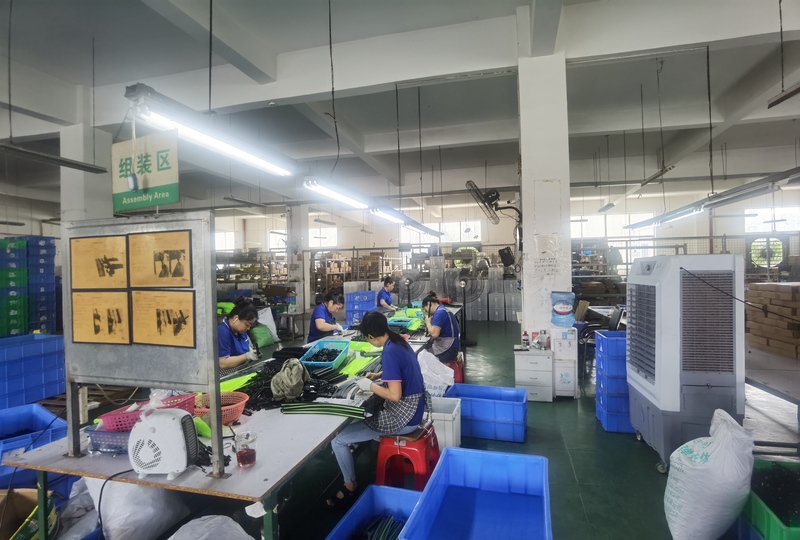
I am Jacky Huang, CEO of Xiamen TOPEX Auto Parts Co., Ltd. In my experience, successful custom projects begin when the buyer and manufacturer agree on what must be developed, what can remain standard, and how the final result will be tested. This agreement reduces unnecessary tooling, repeated sampling, and avoidable production risk.
Why OEM/ODM Wiper Blade Projects Often Take Longer Than Expected
Many buyers initially describe their project as OEM or ODM when they actually need custom packaging for an existing blade. Other buyers begin with a simple private-label request but later add a new adapter, custom spoiler color, rubber specification, or vehicle application.
These changes affect cost and development time because each level of customization requires a different process.
OEM and ODM wiper blade projects often take longer than expected because product development may involve vehicle applications, blade structure, materials, connectors, tooling, testing, branding, and packaging. When these requirements are not defined before sampling begins, each change can create new samples, revised tooling, additional tests, and delayed production.
OEM, ODM, and Private Label Are Not the Same
Suppliers sometimes use these terms differently, so the project contract should define the actual deliverables.
| Project type | Typical responsibility | Common customization |
|---|---|---|
| Private label | Manufacturer supplies an existing product | Logo, label, package, and instructions |
| OEM | Product is manufactured to buyer-approved requirements | Materials, dimensions, performance, branding, and packaging |
| ODM | Manufacturer contributes more design and engineering | Structure, adapter, appearance, materials, and development |
| Full custom development | Buyer and manufacturer create a new platform | Drawings, molds, testing, intellectual property, and production process |
A private-label project can often use existing molds and components. A new adapter or structural design may require engineering drawings, prototypes, mold development, fitment trials, and repeated validation.
Vehicle Applications Must Be Defined First
The manufacturer needs to understand which vehicles the blade is expected to fit. The buyer should provide the target country, important vehicle models, model years, arm types, blade lengths, and front or rear positions.
A “universal” product still requires application verification. Push-button, pinch-tab, bayonet, side-pin, top-lock, and U-hook arms have different dimensions and locking methods. A connector may fit physically but hold the blade at an unsuitable height or angle.
Fitment decisions affect:
- Adapter design
- Blade length
- Spring-steel curvature
- Connector position
- Installation instructions
- Package contents
- Application data
- Inventory planning
If the vehicle list changes after tooling begins, part of the development work may need to be repeated.
Performance Targets Must Be Measurable
“Premium quality” is not a complete engineering specification. The buyer and manufacturer should define what the product must achieve.
Possible targets include:
- Smooth wet wiping
- No repeated streaks or missed areas
- Acceptable noise and chatter
- Secure connector retention
- Stable contact across the windshield
- Suitable high-speed performance
- Resistance to heat, cold, UV, ozone, or corrosion
- Defined durability under an agreed test
- Consistent appearance and color
- Appropriate packaging protection
The development schedule becomes more predictable when these standards are agreed before the first sample.
The Development Mistakes That Lead to Rework and Inconsistent Quality
Most OEM and ODM delays are not caused by one major technical failure. They result from a series of small decisions made in the wrong order. Packaging may be printed before adapter testing is complete, or the buyer may approve the product’s appearance without confirming its wiping performance.
The most common development mistakes are confusing private label with product development, failing to freeze materials and construction, testing only one blade length, approving appearance without performance validation, starting packaging too early, and releasing production without a signed golden sample.
Approving Appearance Instead of Performance
A blade can look correct in a photograph while producing noise, streaks, or incomplete contact on the windshield. Cosmetic approval should never replace installation and wet-wiping tests.
A representative sample plan should include:
- Short, medium, and long blade lengths
- Important connector types
- Flat and curved windshields
- Driver- and passenger-side applications
- Relevant front and rear products
- Different product structures included in the order
Longer blades can reveal pressure-distribution problems that do not appear on shorter samples. Different connectors can also change the blade’s installed angle.
Failing to Freeze Materials and Specifications
If the approved sample is not supported by documents, it becomes difficult to reproduce. “Same quality as the sample” can create disagreements when rubber hardness, steel curvature, adapter resin, coating, or packaging has not been recorded.
The controlled specification should cover:
| Component | Details to confirm |
|---|---|
| Rubber element | Material, profile, hardness range, coating, and color |
| Spring steel | Material, thickness, curvature, and surface treatment |
| Frame or spoiler | Material, dimensions, finish, and color |
| Adapter | Resin, dimensions, arm types, and locking structure |
| Assembly | Rivets, clips, end caps, joints, and tolerances |
| Performance | Wiping, noise, retention, durability, and climate tests |
| Packaging | Structure, artwork, labels, barcodes, and carton details |
Any material, tooling, or process change after approval should require documented review.
Designing Packaging Before Fitment Is Final
Packaging depends on the product dimensions, adapter set, installation method, and vehicle information. If these details change, printed artwork may become inaccurate.
Before packaging production, buyers should confirm:
- Final product model
- Blade length
- Included adapters
- Vehicle or arm coverage
- Installation diagrams
- Product claims
- Barcode and SKU
- Package dimensions
- Individual and master-carton quantities
- Local-language and regulatory information
A correctly manufactured blade in an incorrectly labeled package can still generate returns.
Skipping the Golden Sample
The golden sample connects development with production. It should represent the approved product and be supported by drawings, specifications, test results, color references, and packaging files.
Without this reference, production teams may follow an outdated sample or verbal instruction. The buyer may also have difficulty proving that a shipment differs from the approved version.
The Complete Wiper Blade Manufacturing Process, Step by Step
Different blade structures require different production routes. Conventional blades depend heavily on metal frames and articulated pressure points. Flat blades use shaped spring steel and molded aerodynamic components. Hybrid blades combine frame-based pressure distribution with an external cover.
The complete process normally follows twelve stages: requirement analysis, fitment confirmation, structural design, material selection, tooling, sample production, component manufacturing, surface treatment, assembly, performance validation, trial production, and final inspection and packaging.
1. Requirement and Market Analysis
The manufacturer first collects information about the target country, vehicle applications, blade type, product position, materials, packaging, expected volume, and launch schedule.
This stage determines whether the project should use:
- An existing product with private-label packaging
- An existing blade with modified materials or colors
- A new adapter for additional vehicle coverage
- A modified spoiler or connector
- A completely new product structure
Using an existing platform can reduce tooling, cost, and development time when it already meets the buyer’s requirements.
2. Vehicle and Connector Confirmation
Engineers confirm blade lengths, arm types, connector dimensions, windshield curvature, and installed positions. Physical vehicle testing or verified application data may be necessary for important models.
The goal is to ensure that the blade can be installed securely and maintain the correct working angle.
3. Structural Design
Engineering work may include the blade profile, pressure distribution, spring-steel curvature, connector, frame, spoiler, end caps, and adapter locking system.
The design should balance:
- Windshield conformity
- Wiping pressure
- Flexibility
- Aerodynamic stability
- Component strength
- Installation convenience
- Manufacturability
- Target cost
4. Material Selection
Rubber, steel, plastic, coating, and packaging materials are selected according to the product position and operating environment.
Rubber-related decisions can affect friction, noise, flexibility, durability, and weather resistance. Spring steel affects pressure distribution, while plastic resin affects connector strength and dimensional stability.
5. Tooling and Prototype Production
New plastic components may require injection molds. Metal components may require stamping or forming tools. Development can include drawings, prototypes, mold trials, dimensional correction, and engineering samples.
The buyer and manufacturer should confirm tooling cost, ownership, maintenance, modification rights, and storage before ordering the mold.
6. Rubber Element Production
Depending on the factory and rubber specification, production may include:
- Raw-material preparation and mixing
- Extrusion into the required profile
- Vulcanization or curing
- Cooling and dimensional control
- Precision cutting
- Surface treatment or coating
- Visual and dimensional inspection
The wiping edge requires particular attention because irregularities can cause streaking or noise.
7. Plastic Injection and Metal Processing
Adapters, spoilers, shells, and end caps may be produced by injection molding. Inspectors check dimensions, color, deformation, flash, surface defects, and locking features.
Conventional blade frames may require metal stamping, forming, riveting, and corrosion-resistant treatment. Flat and hybrid products rely strongly on controlled spring-steel shape and consistency.
8. Component Assembly
Operators or automated equipment combine the rubber element, spring steel, frame, spoiler, adapter, end caps, and other components.
Assembly checks may include:
- Correct components
- Product length
- Connector position
- Adapter movement
- End-cap security
- Frame alignment
- Rubber installation
- Surface appearance
- Product code
9. Performance Validation
Engineering samples should be installed and tested on representative vehicles or suitable test equipment.
Validation commonly covers:
- Connector fit and retention
- Windshield conformity
- Wet wiping
- Streaks and missed areas
- Noise, chatter, and skipping
- End contact
- Multiple operating speeds
- Durability cycles
- Relevant temperature or corrosion exposure
The test conditions and acceptance criteria should be documented.
10. Trial Production
A pilot batch verifies whether the design can be produced consistently under normal manufacturing conditions. It can reveal issues that did not appear in handmade engineering samples.
The pilot run should check production efficiency, component variation, assembly errors, packaging, and finished-product consistency.
11. Mass Production and Process Inspection
After approval, production begins according to the controlled specification and golden sample. Inspections may occur at incoming-material, component, assembly, and finished-product stages.
12. Packaging and Shipment Inspection
Final checks cover product identity, blade length, adapters, appearance, wiping samples, packaging, labels, barcodes, quantities, cartons, and shipping marks.
Only approved goods should be released for shipment.
How TOPEX Controls OEM/ODM Development and Production Quality
At TOPEX, I prefer to begin with the buyer’s market and application requirements rather than recommending every product in our catalogue. This helps us determine whether an existing platform can meet the project or whether new engineering is justified.
TOPEX supports OEM and ODM projects through product and fitment evaluation, engineering samples, golden-sample approval, material and dimensional checks, wiping and durability evaluation, packaging customization, process inspections, and pre-shipment verification.
Product Selection and Engineering Samples
The TOPEX flat wiper blade range supports different beam-blade applications, adapter systems, and market positions. For buyers requiring another structure, the TOPEX hybrid wiper blade range provides products combining a supported frame with an aerodynamic cover.
Before development begins, we discuss:
- Target country and channel
- Important vehicle applications
- Blade structures and sizes
- Adapter requirements
- Rubber and material level
- Climate conditions
- Packaging and branding
- Estimated quantity by SKU
- Sample evaluation process
- Required launch date
Samples should be tested by both the manufacturer and buyer. Feedback should identify the vehicle, blade position, connector, conditions, and exact symptom.
Golden Sample and Production Control
After product approval, the final sample, specification, packaging, and artwork become the production references. Incoming materials and key dimensions can then be checked against defined requirements.
Process inspections help identify errors before the complete order is finished. Final sampling can include product identity, appearance, connector operation, packaging accuracy, and wiping performance.
Through TOPEX OEM and ODM services, customers can discuss product selection, logo application, custom colors, packaging formats, labels, barcodes, instructions, and export-project requirements.
The objective is not customization for its own sake. It is to create a product that can be manufactured consistently and sold confidently in the buyer’s market.
How to Start an OEM/ODM Wiper Blade Project with Lower Risk
A controlled project begins with a complete brief and develops in stages. Buyers should avoid committing to large quantities before fitment, performance, specifications, and packaging are approved.
To reduce risk, the buyer should define the target market and product requirements, decide between existing-product customization and new development, confirm costs and timing, test representative samples, sign the golden sample, place a trial order, and expand only after reviewing production and market performance.
Step-by-Step Project Plan
- Submit the target country and sales channel.
- List important vehicles, model years, sizes, and arm types.
- Select flat, hybrid, conventional, OE, rear, or another structure.
- Define materials, performance level, color, and packaging.
- Provide estimated quantities by SKU.
- Decide whether to customize an existing product or develop a new one.
- Confirm tooling, sample, packaging, and testing costs.
- Review the development and production schedule.
- Test samples on representative vehicles.
- Approve specifications, artwork, and the golden sample.
- Place a controlled trial order.
- Inspect production and finished goods.
- Review fitment complaints, returns, and packaging damage.
- Expand the range only after quality is shown to be repeatable.
A trial order evaluates the supplier’s complete system, including communication, specification control, packaging accuracy, delivery, and response to problems.
| Project input | Why it matters |
|---|---|
| Target market | Determines vehicle mix and climate |
| Vehicle list | Defines lengths and adapters |
| Product structure | Affects design and manufacturing route |
| Material target | Influences performance and cost |
| Quantity by SKU | Supports tooling and production planning |
| Packaging | Affects branding, protection, and MOQ |
| Test requirements | Defines sample approval |
| Launch deadline | Determines a realistic schedule |
| Inspection criteria | Controls mass-production acceptance |
The first production batch should remain part of validation. Buyers should compare units from different sizes and cartons with the approved sample and track actual market results before increasing volume.
Conclusion
A successful OEM or ODM wiper blade project depends on disciplined development control rather than customization alone. The buyer and manufacturer should first agree on vehicle applications, blade structure, materials, performance targets, branding, packaging, and inspection criteria.
Engineering samples must then be tested for fitment, wiping quality, noise, connector security, durability, and relevant climate resistance before the design is released for production. During manufacturing, incoming-material checks, dimensional controls, process inspections, and final performance sampling help ensure that approved quality is repeated across every batch.
A signed golden sample and documented quality agreement provide the bridge between product development and reliable long-term supply. Starting with a controlled trial order allows both parties to confirm production consistency and market performance before expanding the product range or order volume.
Frequently Asked Questions About OEM and ODM Wiper Blade Manufacturing
What is the difference between OEM, ODM, and private-label wiper blades?
Private label usually applies the buyer’s branding and packaging to an existing product. OEM manufacturing follows buyer-approved specifications, while ODM projects involve more manufacturer-led design and engineering. Because suppliers may use these terms differently, the contract should define the actual product, tooling, testing, and documentation responsibilities.
What information is needed to start a custom wiper blade project?
The manufacturer needs the target country, sales channel, vehicle applications, blade type, sizes, arm connections, materials, performance level, branding, packaging, estimated quantity by SKU, testing requirements, and desired launch date. Clear information helps determine whether an existing product can be customized or a new design is necessary.
How long does OEM/ODM wiper blade development take?
The schedule depends on the customization level. Branding an existing product generally requires less time than developing a new adapter, structure, or mold. Sample revisions, testing, artwork approval, tooling changes, and unclear vehicle applications can extend the schedule. The buyer should approve a project timeline after all major requirements are defined.
Does a custom wiper blade project require new tooling?
Not always. Logo and packaging customization may use an existing blade without new product tooling. New adapters, spoilers, connectors, frames, or structural designs may require injection molds, stamping tools, or other fixtures. Tooling ownership, maintenance, storage, and modification rights should be confirmed before development.
What tests should be completed before mass production?
Testing should cover connector fit, retention, windshield contact, wet wiping, streaking, missed areas, noise, chatter, and representative blade lengths. Depending on the target climate and product claims, durability, heat, cold, UV, ozone, corrosion, or high-speed stability tests may also be required.
How is batch consistency controlled during wiper blade manufacturing?
Consistency is controlled through documented specifications, approved materials, a golden sample, incoming inspection, dimensional checks, process monitoring, finished-product sampling, and packaging verification. Any proposed change to materials, tooling, subcontractors, or production processes should be reviewed before it is applied to a customer order.

--- END ---


