Why Wiper Blade Material Choice Matters More Than Ever in 2026: Common Pain Points with Traditional Rubber
Traditional rubber wiper blades continue to disappoint drivers and distributors in 2026. They harden and crack under UV exposure, lose flexibility in extreme cold, streak heavily in rain, and require replacement every 6–12 months.
For daily commuters, this means frequent streaking during storms, annoying chatter at highway speeds, and reduced visibility that compromises safety. For wholesalers and retailers, it translates into high return rates, increased customer complaints, and squeezed margins from constant replacements.
The problem has worsened with modern vehicles. Highly curved windshields, higher driving speeds, advanced ADAS cameras, and more extreme weather patterns expose the limitations of basic rubber.
Drivers in coastal areas battle salt corrosion, those in northern regions fight ice buildup, and high-mileage fleet operators face accelerated wear. Many realize too late that sticking with outdated rubber materials costs more in the long run through repeated purchases, labor, and lost trust.
In this environment, material innovation has become a critical differentiator. Advanced silicone, graphene, Teflon, and hybrid coatings now deliver measurable improvements in durability, water repellency, noise reduction, and all-weather performance.
Understanding these innovations helps both consumers and businesses make smarter choices that reduce long-term costs and enhance safety.
Silicone vs Graphene vs Teflon vs New Coatings: Head-to-Head Performance Comparison
Each material brings unique strengths to wiper blade performance. Here’s how they compare in real 2026 conditions:
| Material / Coating | Lifespan | Water Repellency | Noise & Chatter | Temperature Resistance | Best Application |
|---|---|---|---|---|---|
| Traditional Rubber | 6–12 months | Average | Moderate-High | Poor | Budget, short-term use |
| Graphite-Coated Rubber | 10–15 months | Good | Moderate | Moderate | Daily moderate climate |
| Teflon (PTFE) | 12–18 months | Very Good | Very Low | Good | Smooth daily commuting |
| Premium Silicone | 18–36+ months | Excellent | Very Low | Excellent | Extreme temperatures, longevity |
| Graphene-Enhanced | 20–40 months | Outstanding | Low | Excellent | Heavy rain, high-speed driving |
| Silicone-Ceramic Hybrid | 24–42 months | Outstanding | Very Low | Outstanding | All-weather premium performance |
Silicone stands out for overall longevity and flexibility across temperature extremes. Graphene excels in hydrophobicity and high-speed water clearance. Teflon delivers the smoothest, quietest wipe for daily use. New hybrid coatings combine the best traits, offering balanced performance for demanding conditions.
For distributors, stocking a mix of these materials allows serving different customer segments — budget buyers, performance seekers, and fleet operators — while maximizing margins.
Breakthrough Technologies Behind 2026 Wiper Blade Materials and Coatings
2026 has seen significant advancements in wiper blade materials. Manufacturers have moved beyond basic silicone to modified formulations that solve previous drawbacks like residue buildup or initial vibration.
Premium silicone now often includes ceramic particles or special cross-linking agents that improve durability while maintaining flexibility.
Graphene coatings add incredible strength and water-repellent properties at the molecular level, creating surfaces where water beads and flies off even at moderate speeds. Teflon remains popular for its ultra-low friction but is increasingly combined with silicone for better longevity.
New hybrid coatings integrate multiple technologies — for example, a silicone base with graphene top layer and ceramic infusion.
These deliver streak-free wiping, reduced noise, and exceptional resistance to environmental degradation. Some manufacturers are also experimenting with self-healing rubber compounds that recover flexibility after exposure to heat or cold.
These innovations directly address real driver pain points: clearer vision in heavy rain, quieter operation on long trips, and fewer replacements even in harsh climates. For wholesalers, they open opportunities to upsell premium products with higher margins and lower return rates.
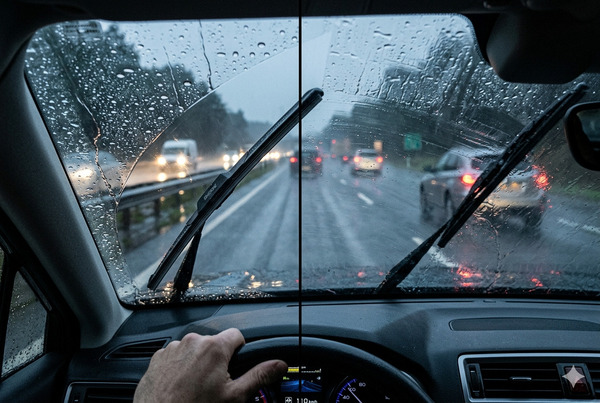
2026 advanced coatings combine durability with superior water repellency
How to Choose the Right Wiper Blade Material for Your Climate, Vehicle, and Driving Style
Choosing the right material requires matching technology to real-world conditions:
- Hot & Humid Climates: Premium silicone or silicone-ceramic hybrids resist UV and ozone best, maintaining flexibility and performance.
- Heavy Rain & High-Speed Driving: Graphene-enhanced coatings provide outstanding water beading and high-speed stability.
- Cold & Snowy Regions: Silicone stays flexible in sub-zero temperatures, reducing ice buildup and skipping.
- Daily Commuting in Moderate Conditions: Teflon or graphite-coated options offer smooth, quiet performance at a lower price point.
- Fleet or High-Mileage Use: Full silicone or hybrid constructions deliver the lowest total cost of ownership through extended lifespan.
Always consider vehicle specifics. Modern curved windshields benefit from blades with strong memory steel and even pressure distribution. For ADAS-equipped vehicles, streak-free performance from advanced coatings helps cameras and sensors function reliably.
Practical tip: Test different materials on demonstration vehicles or offer customers a comparison during sales. Many drivers upgrade to silicone after experiencing the difference in visibility and quietness.
Real-World Benefits, Cost Savings, and Future Trends in Advanced Wiper Materials
The shift to advanced materials delivers clear benefits:
- Extended Lifespan: Silicone and graphene blades often last 2–3 times longer than rubber, reducing replacement frequency.
- Improved Safety: Better water clearance and reduced streaking enhance visibility, especially in heavy rain or at night.
- Lower Total Cost: Although premium blades cost more upfront, they save money through fewer replacements and reduced labor.
- Enhanced Comfort: Significantly quieter operation improves the driving experience on long journeys.
- Better ADAS Compatibility: Cleaner windshields support camera and sensor performance in modern vehicles.
For wholesalers and retailers, carrying advanced materials means higher average order value, lower return rates, and stronger customer loyalty. Fleet operators benefit from reduced downtime and maintenance costs.
Looking ahead, 2026 and beyond will see further integration of smart materials, self-cleaning coatings, and even more sustainable formulations. Brands that invest in these innovations will lead the market.
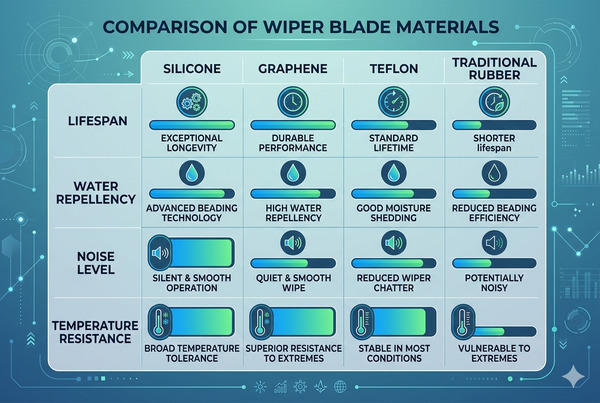
Advanced materials deliver measurable improvements in visibility and longevity
Conclusion
Wiper blade technology has come a long way from basic rubber to advanced silicone and hybrid materials. In 2026, sticking with traditional rubber means accepting shorter lifespan, more frequent replacements, noisier operation, and higher long-term costs.
Silicone and next-generation coatings deliver dramatically better all-weather performance, quieter wiping, and up to twice the service life — making them the smart choice for both everyday drivers and professional fleets.
TOPEX has been at the forefront of this material evolution, combining premium silicone with precision engineering to offer superior performance at competitive prices.
The future of wiper blades is clear: better materials equal better visibility, safety, and value. Don’t wait for your old rubber blades to fail — upgrade to the next generation today.
Chat with our material expert on WhatsApp now. Limited 2026 production slots for new partners — upgrade your supply now.