
A high-quality wiper blade has the following features?
Apr 14, 2026
How to Identify High-Quality Wiper Blades: 15 Key Features You Must Know
When it comes to driving safety, most drivers focus on tires, brakes, or engine health—but often overlook one of the most critical safety components: the wiper blade.
A worn or low-quality wiper blade can leave streaks, skip, or fail entirely during rain or snow, turning a simple drive into a hazardous situation. According to AAA research, 90% of driving decisions depend on visibility, making clear windshields non-negotiable for safe driving.
But how do you actually evaluate wiper blade quality before purchase? The market is flooded with options ranging from $5 bargain blades to $50+ premium products, and the packaging claims are often vague or misleading.
This guide cuts through the marketing noise to deliver 15 concrete, measurable features that define genuine wiper blade quality—and more importantly, how to test them yourself before committing to a purchase.

1. Material Quality: The Foundation of Performance
Appearance characteristics of high-quality materials: There should be no dents or cracks at the bends. Additionally, lightly run your fingernail along the edge of the squeegee—it should be smooth and even, not rough or grainy. A rough edge indicates the use of inferior materials, which will produce rattling noises when rubbing against the windshield and cause uneven wear.
2. All-Weather Performance: Beyond Basic Rain
Why Standard “All-Season” Claims Are Misleading
Many manufacturers claim their blades work in “all weather,” but performance varies dramatically. True all-weather capability requires handling multiple challenges:
Cold Weather: In freezing temperatures, cheap rubber hardens and loses flexibility, creating gaps between the blade and windshield that cause streaking. Quality blades maintain suppleness down to at least -20°C, tested through repeated freeze-thaw cycles.
Hot Weather: UV exposure degrades cheap rubber, causing it to crack and leave debris on the windshield. Premium blades use UV inhibitors and heat-resistant compounds that maintain integrity in 40°C+ conditions.
Ice and Snow Accumulation: Standard blades collect ice on the frame, adding weight and causing uneven pressure. Quality beam-style blades feature built-in spoiler designs that shed snow and ice automatically, or use specialized encased designs that protect the rubber element.
Testing All-Weather Performance
If possible, store a blade in your freezer overnight. Remove it and test flexibility—if it cracks or breaks easily, it’s not true all-weather quality. For snow performance, look for blade designs with minimal frame exposure or enclosed rubber elements that prevent ice buildup.
3. Aerodynamic Design: Engineering for High-Speed Stability
The Wind Lift Problem
At highway speeds, wind can push standard wiper blades off the windshield, creating dangerous gaps in your field of vision. Aerodynamic design isn’t just about aesthetics—it’s a critical safety feature that keeps blades pressed firmly against glass at all speeds.
Quality aerodynamic blades incorporate:
Integrated Spoilers: These curved elements at the top of the blade use wind pressure to push the blade downward, actually improving contact at higher speeds. The spoiler angle and flexibility are precisely engineered—too stiff and it won’t adapt to different wind conditions; too flexible and it won’t maintain consistent pressure.
Wind Deflectors: On hybrid and beam blades, deflectors redirect airflow to prevent the blade from lifting. Look for continuous, seamless deflector designs rather than cheap attachments that can break.
Low-Profile Construction: Modern beam blades sit much closer to the windshield, presenting less surface area to wind resistance. This isn’t just styling—it measurably improves high-speed performance.
Real-World Testing
On the highway in light rain, listen for blade lift: if you notice streaking or the blade losing contact during acceleration, your blades likely lack proper aerodynamic engineering.

4. Frame Type: Understanding Your Options
Traditional Frame Blades
Conventional framed wiper blades use multiple metal joints (usually 4-7 pressure points) connected by a metal framework. While outdated compared to modern designs, quality traditional blades remain viable for specific applications:
- Pros: Lower cost, widely available, good for vehicles with exposed wiper arms
- Cons: Ice accumulates on joints, can corrode over time, may not conform well to curved windshields
If using traditional blades, ensure all joints move freely without stiffness or binding. Quality frames use stainless steel or coated metals that resist corrosion.
Beam (Flat) Blades
Beam technology eliminates traditional frames entirely, using a single curved strip of spring steel covered in rubber. This design offers:
Superior Conformity: The continuous spring tension adapts to windshield curves automatically, maintaining consistent pressure at every point
- Aerodynamic Benefits: The low profile presents minimal wind resistance
- Reduced Ice Accumulation: No joints means nothing for ice to collect on
- Modern Aesthetics: Sleek appearance that many drivers prefer
Quality beam blades use multiple tension zones rather than uniform pressure—areas near the edges receive different tension than the center, matching typical windshield curvature patterns.
Hybrid Blades
Hybrid designs combine traditional frame technology with beam-style aesthetics. They feature an external frame for strength but use a beam-style spine for the wiping element.
This offers:
- Beam-level performance: The internal spine provides even pressure distribution
- Frame durability: External structure resists damage from car washes and debris
- Easy installation: Often compatible with both hook and pin wiper arms
- Look for hybrids with flexible spines that maintain contact with curved windshields while providing structural support.
5. Easy Installation: Avoiding Frustration
What Genuine Easy Installation Means
“Easy installation” claims often mean different things across manufacturers.
True easy installation requires:
Pre-Installed Adapters: Premium blades ship with multiple adapter types already attached, requiring only selection of the correct position rather than disassembly and adapter swapping. Look for blades with clearly labeled, tool-free adapter switching.
Visual Instructions: Quality products include clear diagrams showing exactly which adapters match your wiper arm type. Avoid products with generic “fits most vehicles” claims without specific guidance.
One-Touch Attachment: The mounting mechanism should click securely with audible and tactile confirmation. Blades that require fiddling, bending, or special tools indicate poor design.
Common Wiper Arm Types
Before purchasing, identify your wiper arm connection:
- Hook Type (U-hook): Most common, uses a hook that slides over a pin
- Pin Hook (Top Lock): Vertical pin that clips into the blade
- Bayonet: Blade slides onto a flat pin
- Pinch Tab: Blade clips onto a tab
Quality manufacturers provide compatibility charts matching their products to specific arm types.
6. Compatibility: Beyond Basic Fit
Ensuring True Vehicle Compatibility
Vehicle fit involves more than matching arm types.
Quality blades must also:
Match Wiper Arm Length: Blades that are too short leave unwiped areas; too long and they may hit each other or bodywork. Always verify exact length requirements—common sizes range from 14″ to 28″ depending on position.
Fit Windshield Curvature: Vehicles with highly curved windshields require blades with flexible spines or multiple pressure zones. Using flat blades on extreme curves causes edge lift and streaking.
Clear Hood Clearance: Some low-hood vehicles require ultra-low-profile blades. Check that your chosen blade won’t contact the hood when in operation.
Universal vs. Model-Specific Blades
True universal blades include enough adapters to fit virtually any arm type but may sacrifice performance optimization. Model-specific blades are engineered for particular vehicles and often deliver superior results—but require accurate vehicle identification before purchase.
7. Longevity: Calculating Real Value
Understanding Expected Lifespan
Wiper blade longevity is measured in months and wipe cycles, not years.
Here’s what realistic longevity looks like:
- Budget Blades (Under $10): 3-6 months of effective use
- Mid-Range Blades ($10-25): 6-12 months
- Premium Blades ($25-50): 12-18 months
- Premium Silicone Blades ($40-60): 18-36 months
These ranges assume average use (approximately 30,000-50,000 wipe cycles per year). Heavy users (frequent rain, winter conditions, desert dust) should expect shorter lifespans regardless of quality.
Signs Your Blade Needs Replacement
- Streaking or smearing despite cleaning the blade
- Skipping or hopping across the windshield
- Chattering or squeaking noises
- Visible wear on the rubber edge (cracks, chips, deformation)
- Reduced flexibility in cold weather
Proactive replacement before complete failure prevents dangerous visibility conditions during unexpected weather.
8. Streak-Free Wiping: The Ultimate Test
What Causes Streaking
Streaks occur when the blade fails to make complete, consistent contact with the windshield.
Common causes include:
Uneven Pressure: The blade contacts some areas harder than others, smearing water rather than clearing it
Contaminated Edge: Debris, sap, or oxidation on the blade edge creates a barrier between rubber and glass
Surface Incompatibility: Some blade compounds don’t work well with specific windshield glass treatments or aftermarket coatings
Improper Installation: An incorrectly seated blade won’t apply pressure evenly
How Quality Blades Achieve Streak-Free Results
Premium blades achieve streak-free wiping through:
Precision Edge Treatment: The wiping edge is machined or ground to a specific profile—usually a slight rounded edge that maintains contact without catching on microscopic glass imperfections
Consistent Durometer: The rubber hardness is carefully controlled throughout the blade, preventing soft spots that cause smearing
Anti-Static Properties: Quality compounds reduce static buildup that attracts dust and creates hazy streaks
Testing for Streak-Free Performance
After installing new blades, test in light rain or with windshield washer fluid. Quality blades should clear the windshield in 2-3 passes with no streaks, smears, or haziness remaining. If streaking persists after cleaning the blade and windshield, the blade quality is likely inadequate.

9. Pressure Distribution: The Hidden Quality Factor
Why Pressure Distribution Matters
Most drivers focus on whether a blade “works,” but pressure distribution determines how evenly and safely it works. Uneven pressure causes:
- Spotty Cleaning: Areas receiving insufficient pressure don’t get fully cleaned
- Accelerated Wear: Areas under high pressure wear out faster, creating uneven contact over time
- Windshield Stress: Concentrated pressure can stress glass, potentially causing cracks in extreme cases
Technical Approaches to Pressure Distribution
Quality manufacturers engineer pressure distribution through:
Multi-Zone Tensioning: Different sections of the blade have different spring tensions to match windshield curvature. Center areas might have 2.2 lbs pressure while edges have 1.8 lbs.
Lateral Flex: The blade spine flexes laterally to maintain contact as the wiper arm sweeps across curved glass. Poor flex causes edge lift and missed areas.
Adaptive Pressure: Premium blades automatically adjust pressure based on windshield curvature and speed, maintaining consistent contact throughout the sweep.
Evaluating Pressure Distribution
After installation, observe the blade in action. It should maintain consistent contact throughout the entire sweep arc, including at the edges. Any area that lifts, hops, or loses contact indicates pressure distribution problems.
10. Noise Reduction: Driving Comfort Matters
Sources of Wiper Noise
Wiper noise comes from several sources:
- Chattering: The blade bouncing or hopping across the windshield, usually from uneven pressure or contamination
- Squeaking: Rubber sliding across dry or contaminated glass
- Whistling: Wind interacting with blade design, usually indicating aerodynamic problems
- Squeal: High-frequency noise from vibration, often indicating blade deterioration
Quality blades minimize all these noise types through precise engineering.
How Quality Design Reduces Noise
Smooth Edge Profiles: A properly rounded edge minimizes friction-induced noise
Damping Elements: Some blades include rubber dampers where the blade contacts the arm, reducing vibration transmission
Flexible Spoilers: An aerodynamic spoiler that’s too stiff creates wind noise; properly tuned spoilers are flexible enough to absorb turbulence
What Noise Level Indicates
Quiet operation (below 50 dB at normal speeds) indicates quality design and proper installation. Loud, persistent noise usually means the blade is failing, incorrectly installed, or simply poor quality.
11. Branding and Reputation: Why Manufacturer Matters
Evaluating Wiper Blade Brands
Not all manufacturers are equal. Key factors in evaluating brands:
OEM Supply History: Brands that supply original equipment to automakers have passed rigorous quality standards. Look for mentions of OE supply in product descriptions or manufacturer websites.
Industry Experience: Established manufacturers like Bosch, Valeo, Trico, and Denso have decades of engineering experience and testing capabilities
Warranty Support: Brands confident in their products offer meaningful warranties (1-2 years minimum) and responsive customer service
Professional Reviews: Automotive journalists and consumer organizations test wiper blades regularly—positive reviews from these sources indicate reliable quality
When Private Label Makes Sense
Store-brand and private-label blades can offer good value, but verify they’re manufactured by reputable companies. Many private labels are produced by major manufacturers anyway—look for clues like company history, warranty terms, and country of manufacture.
12. Warranty: Understanding Protection
Types of Warranty Coverage
Limited Lifetime Warranty: Most common for premium blades, covers defects in materials and workmanship for the blade’s functional life
Full Replacement: Some warranties replace blades that fail within the coverage period, regardless of use
Prorated Coverage: Some warranties decrease in value over time—read terms carefully
What Warranty Doesn’t Cover
Standard warranties typically don’t cover:
- Normal wear and tear
- Damage from improper installation
- Chemical damage (certain cleaning products)
- Physical damage from car washes or debris
- Maximizing Warranty Value
Keep purchase receipts and register products when available. Document failures with photos. Contact manufacturers promptly when problems occur—quality brands take warranty claims seriously.
13. User Reviews: Separating Signal from Noise
Finding Useful Reviews
Online reviews require critical evaluation:
Look for Specific Feedback: Useful reviews mention exact performance characteristics: “streaks in light rain,” “quiet up to 80mph,” “failed after 8 months of daily use”
Check Multiple Sources: Compare reviews across Amazon, retailer sites, and automotive forums. Consistent patterns across sources indicate reliable trends
Consider Review Recency: Older reviews may reflect different product versions or manufacturing quality
Identifying Fake or Manipulated Reviews
Warning signs:
- Reviews that are all very short or very long with no middle ground
- Extremely polarized distributions (all 5 stars or all 1 star)
- Reviews that praise shipping speed or packaging rather than actual performance
- Patterns of reviews posted on the same date
14. Wiper Blade Size: Getting It Right
Why Size Matters
Incorrect blade size causes immediate problems:
- Too Large: Blade may hit the windshield frame, each other, or the hood. May prevent complete retraction
- Too Small: Leaves unwiped areas, reducing visibility and safety
- Wrong Size for Curve: Correct length but wrong curvature causes edge lift and streaking
Finding Your Correct Size
- Owner’s Manual: The definitive source for your vehicle’s requirements
- In-Store Templates: Many retailers display blade packaging with fit guides
- Online Tools: Manufacturer websites and auto parts retailers offer vehicle-specific search tools
- Direct Measurement: Measure existing blades or wiper arm span for reference
Common Sizing Mistakes
- Assuming front driver and passenger blades are the same size (they often differ)
- Rounding measurements (16″ is not the same as 15.5″)
- Mixing metric and imperial measurements (some vehicles specify one or the other)
15. Easy Maintenance: Extending Blade Life
Cleaning Techniques
Regular cleaning extends blade life significantly:
Monthly Glass and Blade Cleaning: Wipe the blade edge with isopropyl alcohol on a soft cloth to remove accumulated contaminants. Clean the windshield with quality glass cleaner to remove the debris the blade would otherwise smear
Immediate Debris Removal: After encountering sap, bugs, or ice, clean both the blade and windshield to prevent contamination buildup
Protective Coatings
Some premium blades feature factory-applied coatings:
Teflon or Polymer Coatings: Reduce friction and help the blade slide smoothly across the glass
UV Inhibitors: Protect rubber from sun degradation
Hydrophobic Treatments: Help water bead and sheet off, improving wiping performance
Avoid applying additional coatings unless specifically recommended by the manufacturer—some products may interfere with blade compounds.
Storage Considerations
When parking for extended periods, lift blades off the windshield to:
- Prevent permanent imprinting on glass
- Allow rubber to relax and recover its shape
- Avoid UV exposure from direct sunlight
Summary: The Complete Quality Checklist
When evaluating wiper blades, use this comprehensive checklist:
✓ Rubber compound feels smooth and flexible (not brittle or rough)
✓ Bends without cracking and springs back to shape
✓ Designed for your specific weather conditions
✓ Aerodynamic spoiler maintains contact at highway speeds
✓ Frame type suits your vehicle and preferences
✓ Includes adapters for your wiper arm type
✓ Correct length for your vehicle
✓ Pressure feels even when installed
✓ No gaps or lifting at edges
✓ Operates quietly across the sweep
✓ From a reputable manufacturer with warranty support
✓ Fits within your budget while meeting quality requirements
Conclusion
Investing time in understanding wiper blade quality pays dividends in safety, visibility, and long-term value. Rather than selecting blades based solely on price or brand recognition, evaluate the specific features that matter for your vehicle and driving conditions. Quality blades may cost more upfront, but the extended lifespan, superior performance, and enhanced safety make them a worthwhile investment.
Remember: your windshield wipers are your primary visibility tool during precipitation. Compromising on their quality means compromising your safety. Take the time to evaluate these 15 features, and you’ll make confident purchasing decisions that keep your windshield clear in any weather condition.
Browse TOPEX Premium Wiper Blades
TOPEX has over 18 years of experience manufacturing high-quality wiper blades for vehicles in 80+ countries. Our products combine premium materials, precision engineering, and rigorous quality testing to deliver consistent, streak-free performance in all conditions.
Explore Our Product Lines
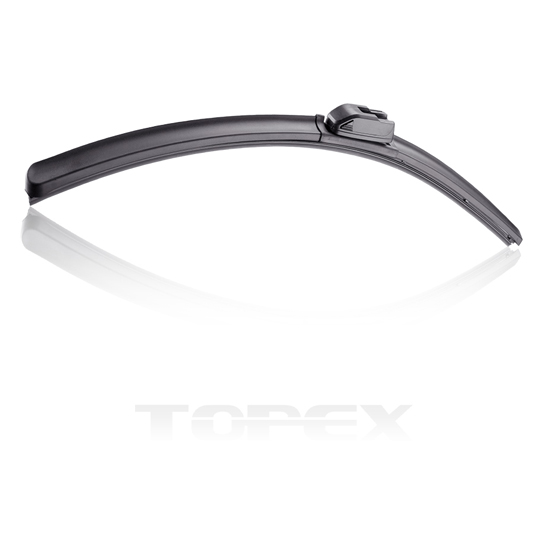
FLAT WIPER BLADE
TOPEX flat wiper blade consists of spring, rubber, spoiler, adapters and so on. it is used the exclusive design and high-quality material to fit for customer’s request. Most of the flat wiper blade of Topex …
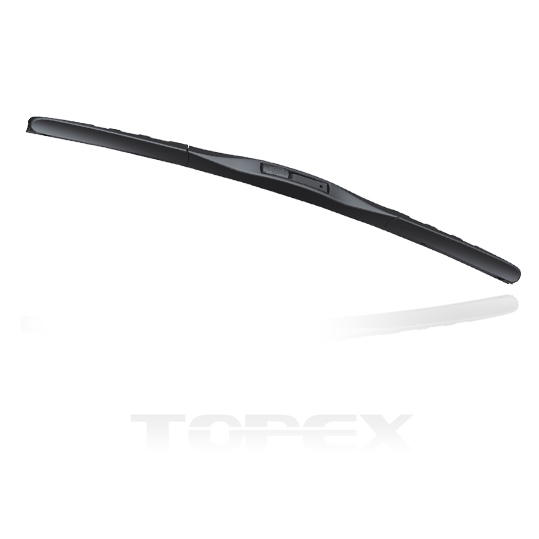
HYBRID WIPER BLADE
Hybrid wiper blades such as our T-100 and T-U190 series feature our excellent Hybrid technology. Beam blade performance mixed with added protection is a winning combination .

METAL WIPER BLADE
TOPEX metal wiper blade provides a smooth, clean, streak-free wipe by using embedded friction reducers and multiple pressure points to hug the windshield. All-steel metal frame gives added strengt…
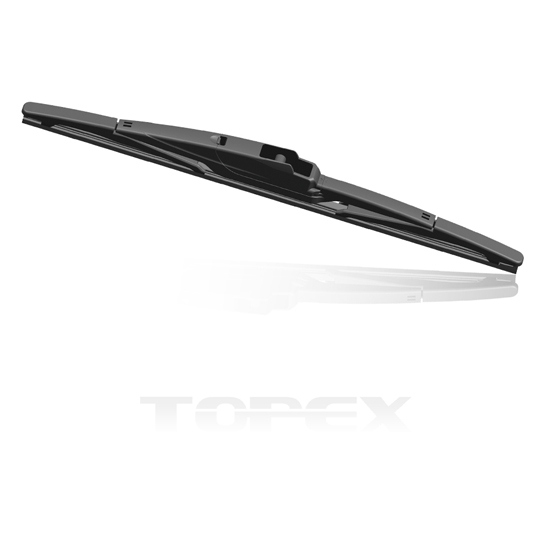
REAR WIPER BLADE
TOPEX Rear Wiper Blade delivers the same look and feels as your vehicle’s rear blade. TOPEX Rear Wiper Blade is a standard rear wiper and is the same blade that came with your vehicle. Keep a clear vie…

--- END ---


