
Material Innovations in Wiper Blades: From Rubber to Silicone and Beyond (2026 Guide)
Apr 23, 2026
Why traditional rubber wiper blades are holding you back in 2026.
Every year, millions of drivers and businesses continue using basic rubber wiper blades, accepting short lifespan, frequent streaking in rain, loud chatter at highway speeds, and the constant hassle of replacements. What many don’t realize is that sticking with outdated rubber technology is quietly costing them time, money, and safety.
In 2026, material innovation has transformed the wiper blade industry. Advanced silicone formulations, graphene coatings, and hybrid constructions now deliver dramatically better all-weather performance, longer life, and quieter operation compared to traditional rubber. Yet many buyers still hesitate due to old misconceptions about cost and compatibility.
This guide explains the real differences, clears up common myths, and shows you how to choose the right wiper blade material for your needs.
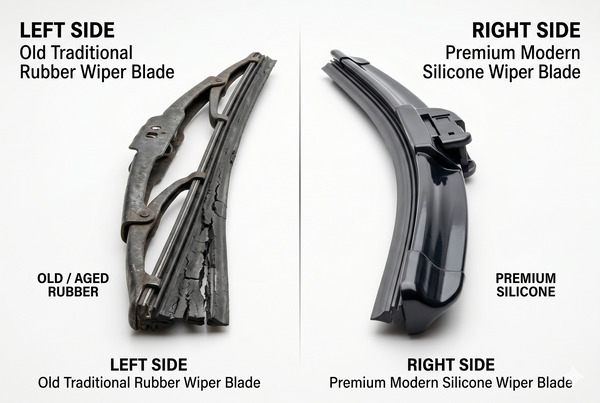 Traditional rubber vs advanced silicone wiper blades
Traditional rubber vs modern silicone — the performance gap has never been wider
Common Misconceptions About Silicone and New Wiper Blade Materials
Many buyers still hold onto outdated beliefs that prevent them from upgrading:
- “Silicone blades are too expensive” — while the upfront cost is higher, their 2–3× longer lifespan usually makes them cheaper in the long run.
- “Silicone is only for luxury cars” — in reality, silicone performs exceptionally well across all vehicle types, from daily commuters to heavy-duty fleets.
- “New materials don’t fit my car” — modern multi-fit adapters and precise engineering make silicone blades compatible with the vast majority of vehicles.
- “Rubber is good enough for most conditions” — rubber hardens, cracks, and loses flexibility much faster than silicone, especially in extreme temperatures.
These misconceptions cause buyers to settle for mediocre performance and higher total costs. Understanding the facts helps you make better decisions.
How to Choose the Right Wiper Blade Material in 2026 – A Practical Buyer’s Guide
Use this clear decision framework when selecting wiper blade materials in 2026:
- Define Your Priority — Do you need maximum longevity, quietest operation, best value, or superior performance in extreme weather?
- Consider Your Climate — Hot, cold, humid, or coastal conditions heavily influence which material performs best.
- Evaluate Total Cost of Ownership — Calculate price divided by expected lifespan rather than just the initial cost.
- Check Real-World Performance — Look for independent test data on streaking, noise, and durability.
- Verify Supplier Quality — Choose manufacturers with advanced material technology and strong quality control.
Here’s a practical comparison table of the main materials available in 2026:
| Material | Lifespan | Noise Level | All-Weather Performance | Best For | Long-Term Value |
|---|---|---|---|---|---|
| Traditional Rubber | 6–12 months | Moderate-High | Average | Budget-conscious short-term use | Low |
| Graphite-Coated Rubber | 10–15 months | Moderate | Good | Daily driving in moderate climate | Medium |
| Advanced Silicone | 18–36+ months | Very Low | Excellent | All-weather, extreme temperatures | High |
| Graphene / Nano-Coated | 20–40 months | Very Low | Outstanding | High-performance and fleets | Very High |
This table helps you quickly match the right material to your specific needs and budget.
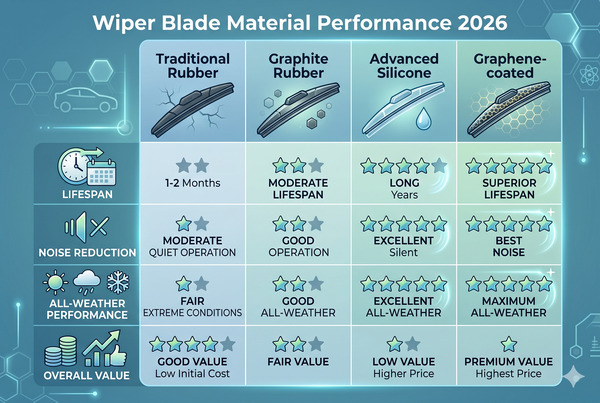 Wiper blade material performance comparison
Material performance comparison in 2026 — silicone leads in longevity and all-weather capability
Why TOPEX Is Leading the Shift from Rubber to Advanced Silicone Technology
TOPEX has positioned itself at the forefront of material innovation by focusing on premium silicone technology and precision manufacturing.
Unlike many traditional manufacturers that still rely on basic rubber compounds, TOPEX invests heavily in AAA-grade silicone formulations that offer exceptional resistance to UV, ozone, heat, and cold. Their silicone blades maintain flexibility and wiping performance far longer than standard rubber, often delivering 2–3 times the service life in real-world conditions.
TOPEX silicone blades also feature advanced coatings that enhance water beading and reduce streaking, while the high-carbon memory steel spines ensure consistent pressure across curved modern windshields. The result is quieter operation, better visibility in heavy rain and snow, and significantly lower replacement frequency.
For distributors and fleets, TOPEX provides additional advantages: low MOQ flexibility, fast sampling, detailed applicable models PDF, and full customization options including private label and color branding. These practical benefits, combined with superior material performance, make TOPEX a rising leader in the shift toward advanced silicone wiper blades.
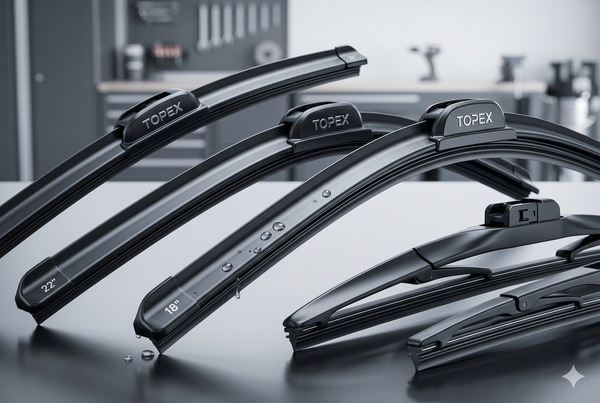 TOPEX advanced silicone wiper blades
TOPEX silicone wiper blades leading the material innovation in 2026
Ready to Upgrade Your Wiper Blades with Next-Gen Materials? Get Your Quote Today
Wiper blade technology has come a long way from basic rubber to advanced silicone and hybrid materials. In 2026, sticking with traditional rubber means accepting shorter lifespan, more frequent replacements, noisier operation, and higher long-term costs.
Silicone and next-generation coatings deliver dramatically better all-weather performance, quieter wiping, and up to twice the service life — making them the smart choice for both everyday drivers and professional fleets.
TOPEX has been at the forefront of this material evolution, combining premium silicone with precision engineering to offer superior performance at competitive prices.
The future of wiper blades is clear: better materials equal better visibility, safety, and value. Don’t wait for your old rubber blades to fail — upgrade to the next generation today.
In 24 hours you’ll receive personalized recommendations, exact pricing and MOQ, plus sample policy.
No commitment. Just a smarter upgrade to next-gen wiper blade materials.
Chat with our material expert on WhatsApp now. Limited 2026 production slots for new partners — upgrade your supply now.
FAQ
What is the main difference between rubber and silicone wiper blades?
Silicone offers much longer lifespan, better flexibility in extreme temperatures, superior water beading, and quieter operation compared to traditional rubber.
Are silicone wiper blades really worth the higher price?
Yes for most users. Their extended lifespan and better performance usually result in lower total cost of ownership.
How long do silicone wiper blades actually last compared to rubber?
Premium silicone blades typically last 18–36 months or more, while standard rubber blades often need replacement after 6–12 months.
What new materials are emerging in wiper blades beyond silicone?
Graphene coatings, nano-coatings, and hybrid rubber-silicone constructions are gaining popularity for even better durability and water repellency.
Which wiper blade material performs best in extreme weather?
Advanced silicone and graphene-enhanced materials excel in extreme heat, cold, and heavy rain due to superior flexibility and resistance.
Why should I choose TOPEX silicone wiper blades?
TOPEX combines premium silicone technology with excellent fitment, competitive pricing, low MOQ, and strong technical support.
More resources: Silicone Wiper Blades | Flat Wiper Blades | How to Choose the Right Wiper Blade Type
External: Best Windshield Wiper Blades Tested

--- END ---


