
OEM / Private Label Flat Wiper Blades: MOQ, Lead Time & Packaging Essentials for Wholesalers
Aug 13, 2026
You sell the same generic blades as every other distributor. Price is the only difference customers see. Margins stay thin and loyalty stays low. Building your own private-label flat wiper line looks attractive, yet questions about MOQ, lead time, and packaging stop many wholesalers before they start.
Private-label flat wiper blades give wholesalers a practical path to differentiation, higher margins, and stronger customer control. Success depends on realistic MOQ planning, clear lead-time expectations, retail-ready packaging, and consistent quality that protects the brand you put your name on.
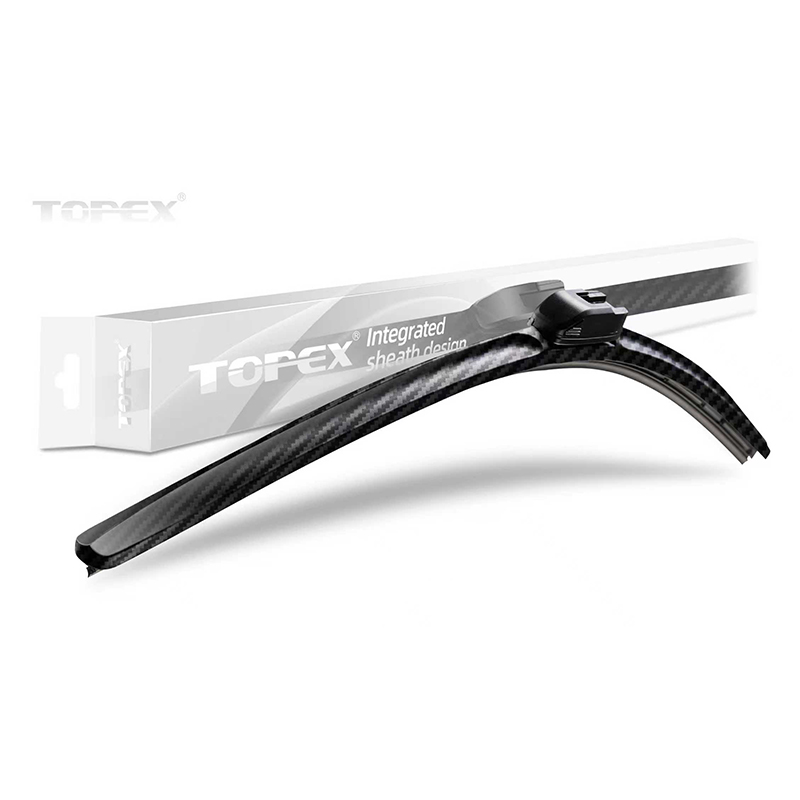
You now see both the opportunity and the execution requirements. Let’s examine why more wholesalers are building private-label flat brands, why flat blades are especially suitable for private labeling, the key numbers around MOQ, sampling and lead time, the packaging options that actually sell, and the quality and process steps that take a program from inquiry to reliable mass production.
Why More Wholesalers Are Building Private-Label Flat Wiper Brands
I speak with distributors who used to rely only on well-known generic brands. Over time they realized they were building someone else’s equity while competing mainly on price.
More wholesalers are building private-label flat wiper brands because they want differentiation, higher margins, stronger customer stickiness, and greater control over the product and the channel. Depending solely on generic brands leaves them exposed to price pressure and supplier changes.
Differentiation in a Crowded Market
When every competitor offers similar black blades under different labels, buyers treat the product as a pure commodity. A private-label line with distinct packaging and consistent quality creates a visible difference that is harder to compare on price alone.
Higher Gross Margins
Private-label programs typically allow better margin structures than pure resale of established brands. Once the brand gains acceptance, the wholesaler captures more of the value chain.
Customer Loyalty and Switching Cost
Retailers and workshops that stock and promote your brand become more attached to the relationship. Switching later requires them to change packaging, barcodes, and shelf presentation.
Channel and Pricing Control
Owning the brand gives the wholesaler more influence over positioning, recommended retail price, and which customers receive the product. Dependence on a single upstream brand is reduced.
Risk of Remaining a Pure Reseller
Generic brand programs can change pricing, allocation, or distribution rules with little notice. Private label builds an asset that stays with the wholesaler.
| Driver | Generic Brand Only | Private-Label Advantage |
|---|---|---|
| Market position | Easy price comparison | Visible differentiation |
| Margin structure | Thin resale margins | Higher captured value |
| Customer loyalty | Low switching cost | Higher stickiness |
| Long-term control | Dependent on supplier | Owned brand equity |
This table shows why the shift is accelerating. The opportunity is clear. Execution determines whether it becomes profitable.
My Distributor Conversation Pattern
A mid-sized wholesaler once told me he was tired of explaining why his price was only slightly different from the next supplier’s. After launching a private-label flat line with clean packaging and reliable performance, his conversations moved from price to availability and brand support.
Market Reality in 2026
Retailers and workshops increasingly accept well-executed private-label wiper programs when quality and packaging meet expectations. Wholesalers who start early build recognition while others remain interchangeable.
The motivation is strong. Flat blades offer specific advantages for private-label success.
Why Flat Blades Are Ideal for Private Label
Not every wiper type supports brand building equally well. Flat blades have structural and market advantages that make them especially suitable.
Flat blades are ideal for private label because they offer a modern frameless appearance, strong high-speed stability, even pressure on curved glass, and clear alignment with OE trends on post-2010 vehicles. These traits support premium perception and justify higher positioning than basic conventional blades.
Modern Visual Identity
The frameless beam design looks cleaner and more contemporary on the shelf and on the vehicle. This visual difference helps a new private-label brand stand out from older framed products.
Performance Story That Matches Market Demand
Flat blades deliver low wind lift, quiet operation, and consistent contact on modern curved windshields. These are the attributes drivers of newer vehicles notice and value.
Alignment with OE Direction
Most vehicles built after 2010 leave the factory with beam-style blades. Offering a flat private-label line positions the wholesaler as current rather than outdated.
Easier Premium Positioning
Because the product form itself signals higher performance, packaging and branding can support a step-up price without feeling disconnected from the hardware.
Compatibility with Multi-Fit Systems
Many flat platforms accept multi-fit adapters. This allows the private-label range to cover a wide vehicle park with fewer core lengths, simplifying the wholesaler’s own inventory.
- Modern appearance supports brand differentiation.
- High-speed and quiet performance match current vehicle needs.
- OE alignment strengthens credibility.
- Multi-fit options keep the private-label SKU count manageable.
- The form factor itself helps justify better margins.
These advantages make flat blades a stronger private-label platform than basic conventional frames.
Practical Branding Observation
Wholesalers who choose flat blades for their first private-label program report faster acceptance from retailers who already sell many late-model vehicles. The product looks and performs like what those customers expect.
Portfolio Fit
A private-label flat line can sit above a generic conventional range, giving the wholesaler both a volume product and a higher-margin branded option.
The product choice is sound. Execution details decide whether the program launches smoothly.
Key Execution Essentials: MOQ, Sampling, Lead Time & Order Flexibility
Clear numbers prevent surprises and keep planning realistic.
Realistic private-label programs for flat blades typically start with trial MOQs in the hundreds to low thousands of pieces, offer samples in a few days, deliver standard production in roughly 15–35 days after confirmation, and allow mixed sizes and staged scaling from test orders to volume.
Typical MOQ Ranges
Many factories accept wholesale or trial orders from around 500–3,000 pieces, often with mixed sizes allowed. Full OEM branding that includes custom logo and fully printed retail packaging commonly begins around 10,000 pieces. Some deeper private-label partnerships set annual volume expectations.
Sampling Speed
Functional samples or stock samples are frequently available within 1–5 days. This allows the wholesaler to check build quality, adapter fit, and initial wiping performance before committing to artwork or volume.
Production Lead Times
After final confirmation of specifications and artwork, standard production commonly runs 15–35 days. Programs using simpler sleeve or neutral packaging can move faster. Fully custom retail packaging (printed blister with insert, color box, or PET formats) often requires 90–120 days from kickoff because of tooling and printing preparation.
Order Flexibility
Capable suppliers allow mixed lengths within a trial order and support staged increases as the brand gains traction. Both domestic-warehouse and direct-container fulfillment models are usually available.
Path from Trial to Scale
A practical sequence is: small mixed trial → validation of quality and early sell-through → larger repeat orders → full custom packaging once volume justifies the investment.
| Execution Element | Typical Range | Planning Note |
|---|---|---|
| Trial / wholesale MOQ | 500–3,000 pcs (often mixed) | Low-risk market test |
| Full custom OEM MOQ | ~10,000 pcs+ | Brand + packaging investment |
| Sample availability | 1–5 days | Fast quality check |
| Standard production | 15–35 days after confirmation | After specs locked |
| Full custom packaging | 90–120 days from start | Includes artwork & tooling |
This table gives the planning numbers most wholesalers need. Transparent suppliers state these ranges upfront.
My Recommended Starting Approach
I advise wholesalers to begin with a mixed-size trial at the lower MOQ threshold. Confirm performance and market response before investing in fully custom retail packaging.
Flexibility Advantage
Suppliers who support mixed sizes and staged scaling reduce the capital risk of the first private-label order and make it easier to adjust the length mix based on real demand.
MOQ and timing are manageable. Packaging turns the product into a sellable brand.
Packaging & Visual Design That Sell: Blister, Color Box, Inserts & Barcodes
Packaging is the first thing retailers and end customers see. It must protect the blade, communicate the brand, and meet retail requirements.
Effective private-label packaging for flat blades includes options from neutral wholesale cartons to blister with printed sleeve, blister with insert, fully printed color boxes, and PET formats. Clear branding, instructions, barcodes, and robust protection support both retail sell-through and logistics integrity.
Common Packaging Formats
- Neutral or printed wholesale cartons for bulk distribution.
- Blister with printed sleeve — often the fastest and lowest-MOQ retail-ready path.
- Blister with full printed insert for stronger brand presence.
- Fully printed color boxes for premium shelf impact.
- PET pouches or PET boxes for modern appearance and good protection.
Essential Information Elements
Every retail pack should carry the brand name and logo, clear size marking, adapter or fitment guidance, basic installation steps, barcode (EAN/UPC), and any required safety or origin information.
Logistics and Shelf Protection
The pack must survive shipping and warehouse handling without crushing the beam or losing the adapters. Strong sealing and internal support prevent damage that leads to returns or rejected deliveries.
Retail Compliance
Retail chains often require specific barcode placement, language versions of instructions, and recyclable or declared materials. Confirming these requirements early avoids redesign delays.
Brand Differentiation Opportunity
Color, typography, and hierarchy on the pack are the main tools for making a new private-label line look intentional and trustworthy rather than generic.
- Choose the format that matches your target retail channel and volume.
- Include all mandatory information and a clear barcode.
- Prioritize physical protection of the blade and adapters.
- Confirm language and compliance needs with key retailers.
- Use design to signal the performance positioning of the flat blade.
Good packaging sells the brand and protects the margin by reducing damage and confusion.
Practical Observation
Wholesalers who invest in clean, consistent packaging report faster acceptance from retail buyers. The product looks ready for the shelf instead of requiring re-packing.
Cost versus Impact
Simpler blister-plus-sleeve programs keep initial cost and MOQ lower. Full color boxes become justified once volume and brand recognition grow.
Packaging completes the offer. Quality systems protect the brand after the sale.
Quality Control, Certification & the Path from Inquiry to Mass Production
A private-label brand is only as strong as the product that carries it. Consistent quality and a transparent process are non-negotiable.
Protecting a private-label flat wiper brand requires documented quality systems (ISO 9001 / IATF 16949), wipe-cycle and environmental testing, rubber and coating consistency, batch traceability, and a clear process from inquiry through sample approval, production, and shipment.
Critical Quality Safeguards
- ISO 9001 or IATF 16949 certified production systems.
- Wipe-cycle durability testing under controlled conditions.
- Salt-spray, UV, and aging tests relevant to the target markets.
- Consistent rubber compound and coating performance across batches.
- Full batch traceability so any issue can be isolated quickly.
Typical Process Timeline
- Inquiry and consultation — product range, target markets, volume expectations.
- Product and packaging selection — blade type, lengths, adapters, pack format.
- Artwork and sample approval — branding, instructions, functional samples.
- Production and in-process QA — manufacturing under agreed specifications.
- Final inspection and shipment — to warehouse or direct container.
Time and Responsibility Clarity
Samples are usually fast. Production lead time starts after final written approval of both product and artwork. Packaging design ownership should be agreed in advance—most programs treat the wholesaler’s brand assets as the wholesaler’s property while the supplier executes the printing.
Staged Scaling Support
Flexible suppliers allow the program to begin with trial quantities and simpler packaging, then move to full custom retail packaging and higher volumes once the brand proves itself.
- Require core certifications and test reports upfront.
- Lock specifications and artwork in writing before mass production.
- Confirm who owns and stores the packaging artwork.
- Plan the first shipment as a controlled trial when possible.
- Keep batch traceability as a standard requirement.
These steps keep the brand safe and the launch on schedule.
My Process Recommendation
I always advise wholesalers to treat the first production run as both a quality validation and a market test. Confirm that the delivered product matches the approved samples before expanding marketing spend.
Long-Term Brand Protection
Ongoing batch testing and clear communication channels with the supplier turn quality from a one-time gate into a continuous system.
For flat blade platforms that support private-label and OEM programs with flexible MOQ and packaging options, explore the Topex flat wiper blade category. You can also review specific models such as the Topex T-PRO-F one-piece spoiler and the T-PRO-SC custom for constructions suitable for branded programs.
Conclusion
Private-label flat wiper blades give wholesalers a clear path to differentiation, stronger margins, and greater customer loyalty. Success depends on realistic MOQ planning, realistic lead-time expectations, retail-ready packaging, and consistent quality that protects your brand. Flat blades’ modern look and performance advantages make them especially well-suited for private-label programs. Start with a controlled trial order, validate samples and packaging, then scale. Work with a supplier that offers flexible MOQ, transparent timelines, and full OEM support so your brand launches on schedule and performs in the market.
Frequently Asked Questions About OEM / Private Label Flat Wiper Blades
What is a realistic MOQ for private-label / OEM flat wiper blades?
Trial or wholesale orders often start between 500 and 3,000 pieces with mixed sizes allowed. Full custom branding and retail packaging commonly begin around 10,000 pieces, depending on the supplier and program depth.
How long does sampling and mass production typically take?
Functional samples are frequently available in 1–5 days. Standard production after confirmation usually runs 15–35 days. Fully custom retail packaging programs often require 90–120 days from kickoff because of artwork and tooling.
Can sizes be mixed within one order, and what packaging options are available?
Yes, many suppliers allow mixed lengths in trial and volume orders. Packaging options range from neutral cartons and blister-with-sleeve to blister-with-insert, printed color boxes, and PET formats.
What quality tests and certifications should wholesalers require?
Look for ISO 9001 or IATF 16949 systems, wipe-cycle testing, salt-spray and aging tests, consistent rubber compounds, and batch traceability. These safeguards protect the private-label brand from later complaints.
Who owns the packaging design and artwork in a private-label program?
In most programs the wholesaler owns the brand assets and artwork. The supplier executes printing and packaging under the agreed design. Ownership should be confirmed in writing at the start.
What is the typical process and timeline from inquiry to first shipment?
The usual path is inquiry and consultation → product and packaging selection → artwork and sample approval → production and QA → shipment. Total time depends on packaging complexity, ranging from roughly one month for simpler programs to three or four months for full custom retail packaging.

--- END ---


