
How Worn Wiper Blades Reduce Night Driving Visibility
Aug 21, 2026
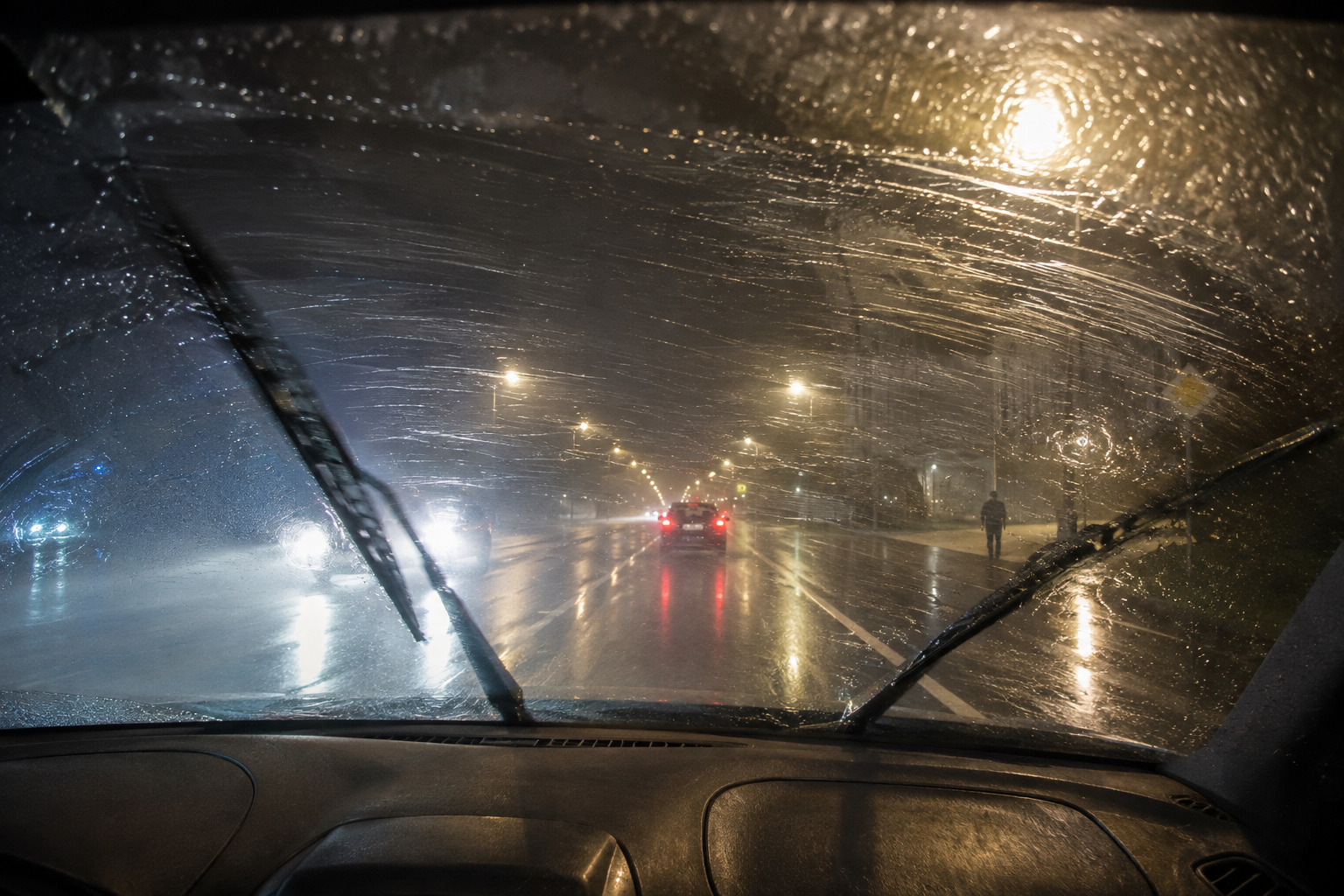
Night driving already limits how far and how clearly drivers can see. Worn wiper blades make the problem worse by leaving streaks, smears, and water films across the windshield. These defects spread light and hide important road details. A complete visibility check can help drivers identify the real cause and correct it before darkness, rain, and glare combine.
Worn wiper blades reduce night driving visibility because they fail to remove water evenly from the windshield. The remaining water films and streaks scatter light from headlights, streetlights, and illuminated signs. This scattered light increases glare, lowers visual contrast, and makes pedestrians, lane markings, traffic signs, stopped vehicles, and road hazards more difficult to recognize quickly.
As the CEO of Xiamen TOPEX Auto Parts Co., Ltd., I have spent many years working with wiper blade production, purchasing, export, fitment, and aftermarket supply programs. I have learned that nighttime visibility depends on a complete system. The blades, windshield, washer fluid, spray nozzles, wiper arms, and vehicle lights must all work together. Replacing one part without inspecting the others may leave the original visibility complaint unresolved.
Why Worn Wiper Blades Become More Dangerous After Dark
Drivers often tolerate light streaking during the day because they can still see the general direction of the road. However, the same streak becomes more disruptive after dark. Night driving offers less natural light and lower contrast, so the driver depends heavily on headlights, reflective markings, signs, and streetlights. Water and residue on the windshield interfere with every one of these visual references.
Worn wiper blades become more dangerous after dark because nighttime light is concentrated and uneven. A damaged rubber edge spreads water instead of removing it, so headlights and streetlights create bright reflections across the glass. I consider this loss of contrast especially serious because drivers may see the glare while failing to notice a pedestrian, lane edge, obstacle, or stopped vehicle behind it.
Water Films Spread Concentrated Light
A blade does not need to leave a large pool of water to create a problem. A thin film can be difficult to see when the windshield is viewed in daylight. At night, however, the same film can become obvious when light reaches it from an approaching vehicle. The light spreads through the driver’s field of view and creates a bright haze.
Streaks produce a similar effect. Each narrow line can reflect and scatter light differently, so the driver sees several distorted light paths instead of one clear source. This effect can become more intense in rain because each new wiping cycle creates another pattern of water, glare, and temporary visual disruption.
Automotive visibility guidance from Bass Tire Company also connects streaking blades and dirty glass with greater glare from headlights and streetlights. I agree with the broader lesson: drivers should treat windshield clarity as a safety need, not simply a matter of comfort or appearance.
Lower Contrast Makes Hazards Harder to Identify
Nighttime driving requires the driver to recognize shapes with limited color and background detail. Pedestrians in dark clothing, damaged road edges, animals, debris, and vehicles without strong lighting may already be difficult to see. Windshield haze reduces the contrast between these objects and their surroundings.
The driver may still see bright items, such as headlights and reflective signs, while missing less reflective hazards. This difference matters because the brightest objects can attract attention away from the darker parts of the road. A clear windshield supports better recognition across the complete field of view instead of only around strong light sources.
| Nighttime condition | Effect of worn blades | Possible driving consequence | Recommended response |
|---|---|---|---|
| Oncoming headlights | Streaks spread concentrated light | Strong glare and lower contrast | Clean the glass and test the blades |
| Wet urban road | Streetlights reflect from water films | Lane markings become harder to follow | Replace blades that continue to smear |
| Unlit rural road | Missed wiping areas hide dark objects | Later recognition of animals or debris | Confirm complete wiping coverage |
| Heavy road spray | Dirty water repeatedly covers the glass | Rapid loss of useful visibility | Check blades, fluid, pump, and nozzles |
| Nighttime fog or drizzle | Fine moisture creates a persistent haze | Eye strain and frequent wiping | Inspect rubber condition and glass cleanliness |
Poor Visibility Can Increase Driver Fatigue
A driver who looks through streaked glass must work harder to separate useful road information from glare and reflections. The driver may lean forward, narrow the eyes, reduce speed suddenly, or focus too closely on the area directly ahead. These reactions can increase fatigue during a long journey.
I do not view driver discomfort as a minor issue when it changes attention and confidence. A driver who becomes tired from repeated glare may respond less smoothly to traffic conditions. For fleet operators, service chains, and parts retailers, this connection creates a strong reason to include wiper inspection in seasonal and long-distance vehicle preparation.
The Hidden Visibility Problems Drivers Often Ignore
Many drivers decide that their wipers are acceptable as long as the arms continue moving. This simple test misses several early problems. A blade may move normally while leaving fine streaks, a thin film, or one narrow missed area. The windshield may also carry interior haze, road residue, fine scratches, or detergent deposits that become visible only after dark.
Drivers often ignore small streaks, hardened rubber, weak washer spray, interior glass haze, fine scratches, and dirt trapped along the blade edge. These conditions can combine and increase light scatter. I recommend inspecting the complete visibility system before blaming one component, because worn blades and contaminated glass can create similar symptoms and can also make each other perform worse.
A Windshield Can Look Clean During the Day
Daylight reaches the windshield from many directions, so a light film may not attract attention. At night, a strong headlight beam can reveal oily residue, fingerprints, cleaning marks, or vapor deposits on the inner surface. Exterior wax, road film, and detergent residue can create another layer of distortion.
This is why a driver may install new wiper blades and still see glare. The new blades only contact the outside surface, so they cannot remove interior haze. If the outer glass also contains deposits that normal washer fluid does not remove, the blades may pass over the contamination without producing a clear result.
I recommend cleaning both sides of the windshield with suitable products and clean materials. The final wipe should not leave visible residue. Drivers should inspect the glass from several angles under controlled lighting because a surface that appears clear from outside may still show a film from the normal driving position.
Washer Fluid and Spray Nozzles Affect Blade Performance
Wiper blades need enough liquid to move dirt away from the glass. If the washer reservoir is nearly empty, the pump is weak, or the nozzles are blocked, the blade may move across glass that is only partly wet. This condition increases friction and can spread dry contamination through the driver’s viewing area.
A poor spray pattern can also make one blade appear defective. For example, one side may receive enough fluid while another remains dry. The dry section may chatter or smear, even when both blades have similar materials and wear. Service teams should observe nozzle direction and coverage instead of checking only whether some fluid leaves the system.
A complete washer-system check should include these points:
- Confirm that the reservoir contains suitable washer fluid.
- Check whether the fluid is appropriate for the expected temperature.
- Listen for normal pump operation when the control is activated.
- Inspect the fluid lines for visible leaks or disconnections.
- Confirm that each nozzle produces a stable spray pattern.
- Check that the spray reaches useful areas before the blades pass.
- Remove external dirt that blocks the nozzle openings.
- Avoid using the wipers repeatedly when the windshield remains dry.
- Retest the blades after restoring proper washer coverage.
Hardened Rubber May Look Undamaged
A rubber edge does not need to be visibly torn before its performance declines. Heat, sunlight, cold weather, chemical exposure, and normal movement can gradually change its flexibility. The edge may look complete but no longer turn and follow the glass smoothly during each direction change.
Hardened rubber often produces noise, jumping, or thin water lines. It may also maintain contact in the center while losing contact near one end. I recommend bending and inspecting the edge gently during maintenance, but drivers should avoid pulling hard enough to damage the blade or wiper arm.
Fine Glass Damage Can Create Lasting Glare
Small scratches, stone marks, and worn areas can scatter light even when the windshield is clean. Dirt trapped beneath a blade can be dragged across the glass, while torn rubber can expose a hard component. Dry or frozen wiping can also increase the risk of blade damage and mechanical strain.
The Northeast Car Care Centre visibility guide notes that damaged blades can leave smears and may expose hard materials that contact the windshield. I recommend replacing torn blades early because preventing glass damage is usually easier than correcting permanent optical defects later.
| Hidden problem | Why drivers miss it | Nighttime symptom | Corrective action |
|---|---|---|---|
| Interior glass haze | Wipers cannot affect the inner surface | Broad glare around lights | Clean the inside glass carefully |
| Hardened rubber | The edge may not look torn | Fine streaks and chattering | Replace when wet wiping remains poor |
| Weak washer spray | Some fluid still reaches the glass | Smearing in partly dry areas | Inspect fluid, pump, lines, and nozzles |
| Road film or wax | The glass may feel smooth and look clean | Headlight haze after each pass | Use a suitable glass-cleaning process |
| Fine scratches | Damage may be difficult to see in daylight | Fixed glare patterns | Inspect the windshield professionally |
| Weak arm pressure | The blade still moves through its full sweep | Repeated missed area | Check the arm and blade contact |
How to Check Whether Your Wipers Are Safe for Night Driving
Waiting for heavy nighttime rain is not a good way to discover a wiper problem. Drivers can perform a controlled check before a journey. The test does not require complex equipment, but it should be done in a safe location with a properly wet windshield. The driver should inspect wiping quality, noise, glass condition, washer coverage, and light-related glare.
I recommend testing the wipers with washer fluid or clean water in a safe stationary environment. The blades should move smoothly, clear the intended area, and leave no repeated film, streak, or missed section. Drivers should then inspect the result under nearby lighting, because road-light reflections can reveal defects that remain difficult to see during an ordinary daytime inspection.
Start with a Controlled Wet Test
The vehicle should be parked safely before inspection. The driver should remove loose debris from the glass and confirm that the blades are not frozen or stuck. The windshield should then be wetted evenly before the wipers are operated. Dry wiping can produce misleading noise and may damage the rubber or glass.
The driver should watch several complete wiping cycles. A single pass may not show contamination that spreads gradually across the glass. The test should include normal and higher wiping speeds because a blade may perform acceptably at one speed but lift, skip, or become unstable at another.
I use the following inspection sequence:
- Park the vehicle in a safe location with enough light for inspection.
- Clean loose debris from the windshield before moving the blades.
- Check the washer-fluid level and confirm that the nozzles spray correctly.
- Wet the complete wiping area before activating the wipers.
- Observe whether both blades move smoothly through their full sweep.
- Look for streaks, smears, water films, and consistently missed areas.
- Listen for squeaking, chattering, scraping, or repeated impact.
- Check whether the adapter and blade remain stable on the arm.
- Inspect the rubber for cracks, tears, hardening, or deformation.
- View the cleaned glass toward a safe light source to check for glare.
- Clean the inside windshield and repeat the visual inspection.
- Replace or repair the faulty part before difficult nighttime travel.
Check the Blade, Adapter, and Wiper Arm
The blade should match the vehicle’s make, model, year, required length, and wiper arm. An incorrect adapter can remain partly attached while allowing movement that affects the wiping angle. An oversized blade can contact trim or another blade, while an undersized product can reduce coverage.
Wiper arm condition also matters. A bent arm, damaged joint, corrosion, or weak pressure can prevent a new blade from touching the glass evenly. If several correctly fitted blades leave the same fixed area uncleared, the technician should inspect the arm and windshield instead of continuing to replace blades.
For B2B buyers, fitment accuracy influences far more than one vehicle. Incorrect catalog information can create returns across stores, workshops, and online fulfillment centers. I recommend validating applications with representative vehicles and checking that package instructions identify the correct adapter and installation direction.
Evaluate the Complete Visibility System
Night driving visibility includes more than wiper performance. Headlight lenses should be clean, and the lighting system should operate correctly. The windshield should be free from heavy interior haze, exterior film, major scratches, and damage in the driver’s viewing area. The washer system should deliver enough fluid for the blades to remove contamination.
| Component | Inspection question | Acceptable condition | Warning sign |
|---|---|---|---|
| Wiper blades | Do they clear water evenly? | Smooth passes with clear coverage | Smearing, skipping, or missed sections |
| Rubber edges | Are they flexible and complete? | No tears or major deformation | Cracks, hardening, or separation |
| Wiper arms | Do they hold the blades against the glass? | Stable and even contact | Lifted sections or repeated poor pressure |
| Washer nozzles | Do they wet useful glass areas? | Even spray before the blade passes | Weak, blocked, or misdirected spray |
| Windshield exterior | Is the glass free from road film? | Clear surface without oily residue | Haze or repeated smearing |
| Windshield interior | Is the inner surface clean? | Minimal reflection and no visible film | Glare around lights |
| Headlights | Are the lenses clean and functioning? | Clear output from required lamps | Cloudiness, dirt, or failed lighting |
Judge Performance Instead of Age Alone
A fixed replacement period can remind drivers to inspect their blades, but age alone does not show their present condition. A blade exposed to strong sunlight, heat, road salt, ice, or frequent use may deteriorate quickly. Another blade under milder conditions may remain functional for longer.
I recommend replacing blades whenever cleaning and correct installation no longer restore clear wiping. Streaking, skipping, chattering, torn rubber, blade lift, and missed areas provide direct information about performance. Buyers should use these symptoms in retail education because they are easier for customers to recognize than technical material descriptions.
Why Streak-Free Wipers Make Such a Difference in Rain and Glare
A streak-free wipe sounds like a simple product benefit, but it depends on several parts working together. The rubber edge must be suitable, the supporting structure must distribute pressure, the blade must follow the windshield curve, and the adapter must hold the correct position. Weakness in any one area can leave water behind and increase glare.
Streak-free wipers make a major difference because they remove more of the water film that scatters concentrated nighttime light. I look for consistent pressure, close windshield conformity, stable movement, secure installation, and a clean rubber edge. These factors support a clearer viewing area, but buyers must evaluate the complete blade rather than relying on one material claim or an attractive package.
Even Pressure Supports Complete Water Removal
A windshield is curved, so a blade must apply useful contact across its full length. If pressure is concentrated in the middle, the ends may leave water behind. If the structure cannot follow a changing curve, one section may lift as the blade moves through its sweep.
Flat blades use an internal supporting structure designed to distribute pressure along the wiping edge. Hybrid and conventional blades use different support systems to achieve contact. None of these designs is automatically suitable for every vehicle, so I recommend matching the product to the application and evaluating finished wiping performance.
The TOPEX flat wiper blade range gives B2B buyers several options for different adapter strategies, applications, and market positions. I help customers compare these products according to vehicle coverage, climate, sales channel, packaging, target quality level, and inventory needs rather than selecting by appearance alone.
Windshield Conformity Matters as Much as Rubber Material
Rubber quality is important, but good material cannot solve incorrect blade curvature or weak arm pressure. A blade may use a durable compound and still leave a recurring missed area because it does not conform to the glass. Buyers should therefore test the complete assembled product rather than approving rubber specifications separately.
Silicone and natural-rubber products can both support strong wiping when the design, processing, fitment, and contact are correct. A premium material claim does not guarantee quiet operation or clear nighttime visibility. I prefer practical wet testing, installation review, and comparison across representative vehicles.
| Quality factor | Effect on wiping | Risk when inadequate | B2B evaluation method |
|---|---|---|---|
| Rubber edge condition | Removes water from the glass | Smearing, noise, and fine streaks | Inspect and perform repeated wet passes |
| Pressure distribution | Maintains contact across blade length | Missed center or end sections | Observe the complete wiping sweep |
| Windshield conformity | Follows changing glass curvature | Recurring water bands | Test on representative vehicles |
| Adapter security | Holds the blade at the correct angle | Movement, noise, or detachment risk | Check locking and installation force |
| Aerodynamic stability | Supports contact at road speed | Lifting and incomplete clearing | Evaluate under representative use |
| Production consistency | Repeats approved performance | Variable complaints between batches | Compare production and approval samples |
| Packaging accuracy | Guides correct selection and installation | Fitment errors and avoidable returns | Review labels, barcodes, and instructions |
Aerodynamic Stability Protects Visibility at Speed
Airflow becomes more important during motorway travel. A blade that looks stable on a parked vehicle may lift from the windshield at speed. Even a small loss of contact can leave water in the driver’s viewing area, while heavy road spray creates a continuous need for effective clearing.
A low-profile spoiler can help manage airflow, but its presence alone does not prove performance. Blade length, vehicle design, installation angle, and windshield shape still influence stability. I encourage buyers to define representative test conditions and avoid making claims that exceed the evidence available for the product.
TOPEX Support for B2B Visibility Programs
At TOPEX, I work with automotive wholesalers, retail chains, e-commerce sellers, service businesses, and specialized buyers. Each customer approaches visibility from a different business angle. A wholesaler needs broad SKU coverage, while a retail chain may prioritize shelf-ready packaging, clear applications, stable supply, and coordinated product launches.
E-commerce customers need accurate product images, descriptions, connector information, and fitment data because buyers cannot physically compare adapters before ordering. Service chains need quick installation and consistent wiping to reduce repeat visits. I use these purchasing needs to guide product selection, packaging discussions, sample review, and order planning.
A useful supplier review should include the following questions:
- Does the supplier understand the target vehicle market?
- Can the supplier support the required blade structures and lengths?
- Are adapter descriptions and application records clear?
- Does the production sample match the intended packaging information?
- Can the buyer test representative products before a large order?
- How does the supplier check rubber, assembly, adapters, and packaging?
- Can mixed-SKU orders be planned around realistic sales demand?
- Are complaint patterns recorded and investigated?
- Can the supplier support retail and e-commerce presentation needs?
- Are production and delivery expectations discussed before confirmation?
The TOPEX hybrid wiper blade range offers another structure for buyers developing balanced aftermarket programs. I recommend comparing flat, hybrid, conventional, rear, snow, and special-use products according to customer needs. A well-planned range should improve fitment confidence and inventory turnover without creating unnecessary SKU complexity.
A Practical Visibility Routine Before Driving at Night
A short pre-drive check can reveal visibility problems before the vehicle enters rain or fast traffic. Drivers should clean the glass, inspect the blades, confirm washer operation, and check the lights. B2B sellers can turn the same routine into customer education, workshop inspection procedures, package guidance, or seasonal promotional content.
Before driving at night, I recommend cleaning both sides of the windshield, wiping the blade edges, filling the washer reservoir with suitable fluid, testing the spray nozzles, and observing several wet wiping cycles. Drivers should also inspect their headlights and replace blades that continue to streak, smear, skip, chatter, or leave any important viewing area uncleared.
Clean the Glass and Wiper Edges First
Cleaning should begin with the exterior glass because road film, insects, dust, and wax can prevent the blade from moving smoothly. The driver should then clean the interior surface to remove haze that can scatter light. Clean materials are important because a dirty cloth can spread oils across a larger area.
The blade edge can be wiped gently to remove loose dirt. However, cleaning cannot repair torn, hardened, or deformed rubber. If a blade produces the same defect after the glass and edge are clean, the driver should inspect installation and consider replacement rather than repeating the cleaning process.
Test Washer Coverage and Wiping Quality
The washer fluid should reach useful areas before the blades pass. A blocked or weak nozzle can leave a dry zone, and the blade may drag contamination across it. The driver should correct the spray pattern or seek service if the pump, lines, or nozzles do not operate normally.
After fluid reaches the windshield, the blades should complete several smooth cycles. The driver should observe the complete viewing area instead of focusing only on the center. A narrow missed strip can become a bright line of glare when it crosses an approaching headlight.
Check Visibility Before a Rainy or Long Journey
Drivers should perform the routine before predictable periods of higher risk, including rainy seasons, winter travel, long nighttime journeys, and motorway driving. Fleet managers and service chains can include it in preventive maintenance schedules. Retailers can also use seasonal demand data to prepare inventory before customers discover worn blades during bad weather.
A practical routine can follow this order:
- Clean the exterior windshield and remove road film or insects.
- Clean the interior glass and check for remaining haze.
- Inspect the windshield for chips, scratches, and damaged areas.
- Wipe the rubber edges gently and check their condition.
- Confirm that each adapter is securely locked.
- Fill the reservoir with washer fluid suitable for the climate.
- Test the pump, lines, and spray nozzles.
- Wet the windshield before operating the blades.
- Watch for streaking, smearing, skipping, noise, and missed areas.
- Check blade stability at the speeds and conditions that can be tested safely.
- Clean the headlight lenses and confirm that required lamps operate.
- Replace or repair defective components before difficult night travel.
Prepare Clear Information Before Requesting Wiper Blades
B2B buyers should prepare the target market, vehicle application list, required blade types, expected order volume, packaging format, target price level, and delivery schedule. This information helps a supplier recommend suitable samples and identify fitment, inventory, or production risks early.
I also recommend providing estimated quantities by length or SKU. A total order volume does not show whether demand is concentrated in several fast-moving products or spread across many applications. That difference affects production planning, mixed-SKU packing, warehouse allocation, and future restocking.
| Information to prepare | Why it matters | Risk when missing |
|---|---|---|
| Target market | Defines vehicle population and climate | Unsuitable application coverage |
| Vehicle application list | Connects sizes and adapters to real vehicles | Higher return and complaint rates |
| Required blade structures | Supports the intended product range | Poor match with customer expectations |
| Quantity by SKU | Improves production and inventory planning | Excess stock or missing fast movers |
| Quality and price position | Guides material and construction choices | Unclear comparison between offers |
| Packaging requirements | Supports retail or e-commerce operations | Relabeling and launch delays |
| Delivery schedule | Aligns production with seasonal demand | Stockouts or late seasonal inventory |
| Sample test plan | Creates a clear approval process | Disputes after production begins |
The next step should be a representative sample evaluation. Buyers should check installation, wet wiping, adapter security, packaging, labels, barcodes, and product information. I prefer to resolve uncertain applications or packaging details before mass production because early clarification supports more stable supply and healthier long-term cooperation.
Conclusion
Worn wiper blades can turn an ordinary nighttime journey into a serious visibility problem. Streaks, smears, and water films scatter light from headlights and streetlights, which makes pedestrians, lane markings, signs, and road hazards harder to identify. I recommend inspecting the complete visibility system instead of looking at the blades alone. Drivers should clean both sides of the windshield, test the washer system, inspect the rubber edges and wiper arms, and confirm that the lights are clean and working. If the blades continue to skip, chatter, smear, or leave areas uncleared after cleaning and correct installation, replacing them before the next night journey or rainstorm is the practical decision.
Frequently Asked Questions About Worn Wiper Blades and Night Driving Visibility
Why do worn wiper blades make nighttime headlight glare much worse?
Worn blades often leave thin water films, streaks, or smears across the windshield. These defects scatter concentrated light from approaching headlights, streetlights, and illuminated signs. I find that this glare lowers contrast and hides darker objects behind bright reflections. Pedestrians, road edges, and obstacles can therefore become harder to recognize even when the driver can still see the lights themselves.
How can I safely test my wiper blades before driving at night?
I recommend parking in a safe location, removing loose debris, and wetting the windshield before operating the blades. Drivers should observe several complete cycles and look for repeated streaks, smears, skipping, chattering, or missed areas. They should then inspect the glass toward a safe light source and clean both surfaces if haze remains. Dry wiping should be avoided.
Why does my windshield still look blurry immediately after the wipers pass?
The blades may be spreading water or contamination instead of removing it. However, exterior road film, wax, dirty washer fluid, weak nozzle coverage, or interior haze can create a similar result. I recommend cleaning both sides of the windshield, wiping the blade edges, and checking washer operation. If the same blur remains after these steps, inspect fitment, rubber condition, and arm pressure.
Can dirty windshield glass cause the same symptoms as worn wiper blades?
Yes, dirty glass can cause smearing, noise, glare, and incomplete clearing that drivers may blame on worn blades. Oil, wax, insects, road residue, and detergent deposits can remain on the outer surface, while fingerprints and vapor films collect inside. I clean both surfaces before judging a blade because replacement alone will not remove interior haze or permanent glass damage.
How often should wiper blades be replaced to support safe night driving?
I use time as an inspection reminder rather than the only replacement rule. Climate and use can change blade condition significantly. Strong sunlight, heat, ice, road salt, and frequent operation can speed deterioration. Drivers should replace blades whenever they remain noisy, damaged, unstable, or ineffective after cleaning and correct installation, even if they have not reached a planned replacement date.
What should I inspect when new wiper blades continue leaving windshield streaks?
I first confirm the blade length, adapter, installation direction, and protective-strip removal. I then clean the glass and rubber edge, test the washer spray, and observe contact across the full sweep. If the same area remains streaked, the wiper arm may have weak pressure or damage. Road film, wax, scratches, or unsuitable blade curvature can also prevent a clear result.

--- END ---


