
Best Wiper Blades for Electric Vehicles (EVs) in 2026: Quiet, Efficient & Perfect Fit
Jul 24, 2026
You slide into your EV and enjoy the near-silent cabin. Then rain starts and the wipers squeak and chatter. The refined electric experience suddenly feels ordinary. Many EV owners face this exact problem with standard blades.
The best wiper blades for electric vehicles in 2026 prioritize ultra-quiet operation, strong aerodynamics, and precise fitment. Premium beam-style blades deliver silent wiping, better efficiency, and reliable all-weather performance that matches the EV driving experience.
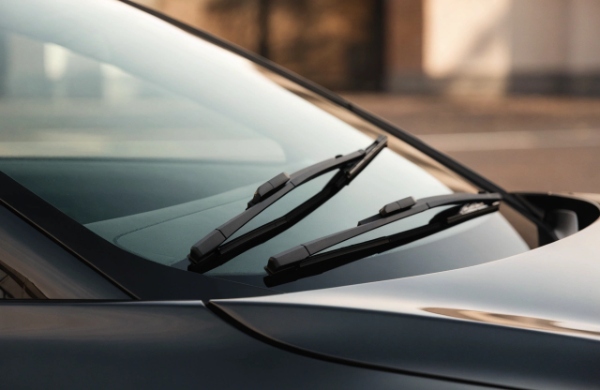
You now see why ordinary blades often disappoint on EVs. Let’s explore why standard options fall short, the common mistakes EV owners make, what features truly matter for electric vehicles, why Topex blades work especially well, and your clear next step for a quieter, cleaner EV drive.
Why Standard Wiper Blades Often Fall Short on Electric Vehicles
I speak with EV owners every week. They love the quiet cabin, instant torque, and smooth ride. Then the wipers ruin the calm the moment rain appears.
Standard wiper blades often fall short on electric vehicles because they create noticeable noise in silent cabins, lack optimal aerodynamics that can affect efficiency, and sometimes fit poorly on modern EV arm designs and curved glass.
Noise Becomes Extremely Obvious
Gasoline cars mask wiper sounds with engine noise. EVs have almost no background sound. Even mild squeaks or chatter stand out and feel much louder than they would in a traditional vehicle.
Aerodynamics Affect the Whole Experience
EVs are designed for low drag to maximize range. Blades that lift or create extra wind noise work against that efficiency. Poor aerodynamics also reduce wiping stability at highway speeds.
Unique Arm Types and Glass Curves
Many EVs, including popular Tesla models and other newer designs, use specific wiper arm connections and highly curved windshields. Standard blades may not seat perfectly or maintain even pressure.
Higher Expectations for Refinement
EV drivers paid for a premium, quiet experience. Blades that chatter or streak feel like a step backward and reduce satisfaction with the whole vehicle.
Longer Ownership Cycles
EV owners often keep cars longer and prefer low-maintenance parts. Blades that wear quickly or become noisy force more frequent attention than they want.
| EV-Specific Challenge | Standard Blade Problem | Impact on Owner |
|---|---|---|
| Silent cabin | Noise stands out | Reduced comfort |
| Efficiency focus | Extra drag or lift | Minor range and stability loss |
| Modern arm designs | Fitment issues | Poor contact or installation trouble |
| Premium expectations | Average performance | Lower satisfaction |
This table shows why ordinary blades feel inadequate on EVs. The vehicle demands higher standards from every component.
My EV Owner Conversation
A Tesla driver told me the cabin was perfect until the first rain. The stock blades squeaked so loudly he almost turned around. After switching to quiet premium blades the silence returned and he said it felt like the car was new again.
Fleet and Ride-Share Feedback
Companies running EV fleets report higher driver complaints about wiper noise than on gas vehicles. Quiet blades improve both comfort scores and perceived vehicle quality.
Standard blades create avoidable problems. Most of those problems come from simple selection mistakes.
Common Mistakes EV Owners Make When Choosing Wiper Blades
EV owners are often careful about charging and software. Many are less careful about wipers and end up with disappointing results.
Common mistakes include buying generic aftermarket blades without checking noise ratings, ignoring exact fitment for EV arm types, assuming any beam blade is good enough, and overlooking aerodynamic efficiency. These errors lead to noise, poor clearing, and wasted money.
Choosing Blades Only by Price or Availability
The cheapest or most convenient convenient option often lacks the quiet compounds and solid construction EVs need. Noise appears quickly and satisfaction drops.
Ignoring Cabin Noise Sensitivity
Many shoppers do not realize how much louder wipers sound in an EV. They buy blades that would be acceptable in a gas car but feel intrusive in a silent cabin.
Skipping Vehicle-Specific Fitment
Some EVs use less common arm styles or sizes. Generic multi-fit blades may attach but fail to apply even pressure across the curved glass.
Believing All Beam Blades Perform Equally
Beam design is a good start. Rubber quality, spoiler shape, and adapter precision still vary widely. Not every beam blade delivers the same quietness or longevity.
Forgetting Long-Term Durability
EV owners often prefer parts that last. Economy blades that harden or streak within months force more frequent changes than the ownership style supports.
| Mistake | Result on EV | Better Habit |
|---|---|---|
| Price-only choice | Early noise and streaking | Prioritize quiet ratings |
| Ignoring cabin silence | Intrusive squeaks | Choose low-noise designs |
| Poor fitment check | Uneven wiping | Verify exact arm type |
| Assuming all beams equal | Average performance | Look for proven premium options |
This table captures the most frequent errors. Avoiding them leads to blades that feel native to the EV experience.
My Fitment Story
An owner bought popular beam blades that fit many cars. On his EV the pressure was uneven and noise developed within weeks. Switching to a properly matched set solved both issues immediately.
Common Online Pattern
EV forums show repeated posts about noisy new blades. Most cases trace back to generic choices rather than EV-aware selection.
Mistakes are preventable. Next we look at the features that actually deliver great EV performance.
What Makes the Best Wiper Blades for EVs: Key Requirements and Top Options
Electric vehicles raise the bar. The best blades meet a specific set of demands that ordinary options often miss.
The best wiper blades for EVs combine ultra-quiet rubber compounds, strong aerodynamic beam design, precise modern-arm fitment, and durable materials that maintain performance over long service intervals.
Ultra-Quiet Operation
Premium rubber or silicone-enhanced edges glide with minimal friction. Beam construction eliminates the rattling parts found in framed blades. The result is wiping that stays nearly silent even in a quiet EV cabin.
Aerodynamic Efficiency
Integrated spoilers and low-profile beam shapes reduce lift and wind noise. This supports the vehicle’s efficiency goals and keeps the blade stable at highway speeds.
Exact or High-Quality Fitment
Blades must match the specific arm type and windshield curvature common on EVs. Secure adapters and proper length ensure even pressure and full coverage.
Long-Term Durability
High-grade compounds resist UV, ozone, heat, and cold. EV owners benefit from blades that stay flexible and quiet for 12–18 months or longer.
Proven Real-World Results
Top options show strong performance in independent tests for noise, rain clearing, and longevity on modern vehicles.
- Prioritize blades marketed or tested for low noise.
- Confirm exact fitment for your EV model and year.
- Prefer beam or hybrid designs over traditional framed.
- Consider silicone-enhanced options for maximum quietness and life.
- Replace both sides together for balanced results.
These requirements separate blades that merely fit from blades that enhance the EV experience.
2026 Test Patterns
Reviews and owner feedback consistently rank premium beam blades highest for EVs. Quietness and stability matter more than on traditional cars.
Owner Preference Summary
EV drivers who switch to purpose-matched premium blades report the cabin feels refined again in rain. Many say they will not go back to standard options.
Features define the best choices. Execution determines daily satisfaction. That is where Topex performs well for EV owners.
Why TOPEX Blades Are an Excellent Choice for EV Owners
I have seen Topex blades on many electric vehicles. The combination of quiet operation, solid aerodynamics, and reliable fitment matches what EV drivers need.
Topex blades deliver low noise, strong aerodynamic stability, broad modern-vehicle fitment, and long service life. These qualities make them an excellent match for the quiet, efficient nature of electric vehicles.
Low-Noise Design
Topex beam construction and quality rubber compounds minimize squeaks and chatter. The wiping sound stays low enough to preserve the silent EV cabin.
Aerodynamic Beam Profile
Integrated spoilers and frameless design reduce lift and wind resistance. The blades stay planted at speed and support overall vehicle efficiency.
Reliable Fitment Across Popular EVs
Topex offers precise adapters and sizing that work with common EV arm types. Installation is straightforward and contact remains even across curved glass.
Durable Performance
Premium materials help the blades stay flexible and effective longer. EV owners who prefer low maintenance appreciate the extended intervals between changes.
Strong All-Weather Capability
Clear rain performance and temperature resistance keep vision reliable whether the day is hot, cold, or wet.
| Topex EV Advantage | Benefit for Electric Vehicles | Owner Result |
|---|---|---|
| Quiet compounds | Minimal cabin noise | Preserved EV refinement |
| Aerodynamic design | Reduced lift and drag | Stable high-speed wiping |
| Modern fitment | Secure, even contact | Easy install and full coverage |
| Long life | Fewer replacements | Lower maintenance effort |
This table shows why Topex blades align well with EV priorities. The design choices support both comfort and performance.
My EV Testing Notes
On several electric vehicles Topex blades produced noticeably less noise than the previous standard sets. Rain clearing stayed consistent and the cabin remained calm.
Customer and Fleet Feedback
EV owners describe the change as “getting the silence back.” Fleets running electric vehicles note higher driver satisfaction and fewer noise-related comments after switching.
Topex meets the higher standards EVs demand. Now it is time to make the upgrade.
Ready to Upgrade Your EV’s Wiper Blades? Here’s Your Next Step
You understand why standard blades fall short, the mistakes to avoid, the key requirements, and why quality matters for electric vehicles. The path forward is simple.
Ready to upgrade your EV’s wiper blades? Confirm the correct size and arm type for your model, choose quiet premium beam blades, and install them with clean glass for immediate improvement in comfort and clarity.
For reliable quiet performance on electric vehicles explore the Topex wiper blade collection. You can also check their flat wiper blade category for beam designs that excel at low noise and modern fitment.
Small changes restore the refined driving experience you bought the EV for.
Conclusion
Electric vehicles demand more from wiper blades than traditional cars. Quiet operation, aerodynamic efficiency, and reliable performance in all weather are essential to maintain the refined EV driving experience. In 2026, premium beam-style blades designed with modern vehicles in mind deliver the best results.
Choosing the right blades for your EV improves visibility, reduces cabin noise, and supports overall efficiency. TOPEX blades are engineered to meet these higher standards.
Don’t let poor wipers ruin your EV experience. Upgrade to blades that match the quiet, high-performance nature of electric driving.
Frequently Asked Questions About Wiper Blades for Electric Vehicles
Do EVs need special wiper blades?
EVs do not require unique blades, but they benefit greatly from quieter, more aerodynamic designs. Standard blades often feel too noisy in the silent cabin and may lack optimal fitment on newer models.
What are the best wiper blades for Tesla and other EVs in 2026?
Premium beam-style blades with low-noise rubber compounds and precise fitment rank highest. Options that emphasize quiet operation and aerodynamic stability perform perform best on Tesla and similar electric vehicles.
Are quiet wiper blades more important for electric vehicles?
Yes. The near-silent cabin of an EV makes any wiper noise much more noticeable. Quiet blades help preserve the refined driving experience that EV owners value.
Can I use regular aftermarket blades on my EV?
You can if they offer correct fitment and decent quality. However, many regular blades lack the low-noise performance and exact adapters that deliver the best results on electric vehicles.
How do wiper blades affect EV range or efficiency?
The effect is small but real. Blades with poor aerodynamics can create extra drag or lift. Efficient beam designs with spoilers help minimize that impact and keep wiping stable at speed.
How often should EV owners replace their wiper blades?
Most EV owners replace blades every 12–18 months, or sooner if noise or streaking appears. Premium quiet blades often last longer and better match the lower-maintenance preference of many electric vehicle drivers.

--- END ---


