
Premium vs Economy Wiper Blades: Is Paying More Actually Worth It in 2026?
Jul 23, 2026
You grab the cheapest wiper blades to save a few dollars. Weeks later they streak in the rain. Noise starts. You replace them again. The cycle repeats and the total cost keeps rising.
Premium wiper blades usually last longer, clear rain better, run quieter, and cost less per month of use than economy blades. Paying more upfront often saves money and improves safety over time.
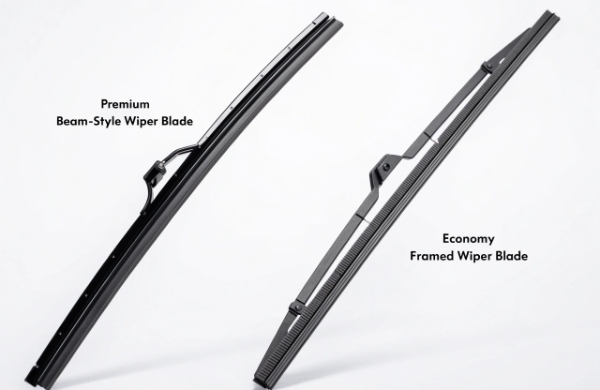
You now see the real question is not price today but value over months of driving. Let’s explore why cheap blades often cost more long-term, the common misconceptions, a detailed performance breakdown, why Topex premium blades deliver better real-world value, and how to decide what fits your needs.
Why Cheap Wiper Blades Often End Up Costing You More in the Long Run
I talk with drivers who buy the lowest-priced blades every time. They feel smart at the checkout. Then the problems start and the savings disappear.
Cheap wiper blades often cost more in the long run because they streak sooner, wear out faster, create more noise, and need replacement two or three times as often as quality premium blades.
Frequent Replacements Add Up
Economy blades commonly last only 6–9 months. Premium blades regularly reach 12–18 months or longer. Buying two or three cheap sets costs more than one good set.
Poor Rain Performance Creates Risk
Budget rubber leaves streaks and haze in heavy rain. You slow down, feel less safe, and sometimes face close calls that better blades would have prevented.
Noise and Distraction
Hardened edges and uneven pressure produce squeaks and chatter. The constant sound increases fatigue and makes every rainy drive less pleasant.
Hidden Glass Wear
Cheap blades with rough or torn edges can scratch the windshield over time. Glass repair or replacement costs far more than the original blade savings.
Time and Hassle
Repeated trips to the store, installation time, and dealing with underperforming blades steal hours that add real cost to the “cheap” choice.
| Cheap Blade Problem | Immediate Result | Long-Term Cost |
|---|---|---|
| Short lifespan | More frequent buys | Higher annual spend |
| Streaking in rain | Reduced visibility | Safety and stress costs |
| Early noise | Driver distraction | Lower comfort |
| Edge damage | Potential glass scratches | Expensive repairs |
This table shows how the low price at purchase turns into higher total cost. The pattern repeats for many drivers every year.
My Customer Cost Story
One driver bought economy blades three times in fourteen months. The total spent exceeded the price of a single premium set that would have lasted the full period with better performance.
Fleet Cost Tracking
Companies that monitor blade expenses find economy options increase both parts cost and labor time. Switching to longer-lasting premium blades lowers the cost per vehicle per year.
Cheap blades create a false economy. Most of the pain comes from misunderstandings about value.
Common Misconceptions About Premium vs Economy Wiper Blades
Drivers carry several strong beliefs that keep them buying low-quality blades. These ideas do not match real performance data.
Common misconceptions include thinking cheap blades are good enough, believing premium price is only brand markup, assuming all blades perform similarly when new, and ignoring total cost of ownership. Facts show clear differences in real use.
“Cheap Blades Are Good Enough”
They may wipe acceptably when brand new. Performance drops quickly. In heavy rain or after a few months the gap becomes obvious and safety suffers.
“Premium Is Just Brand Markup”
Higher price often buys better rubber compounds, stronger structures, and aerodynamic design. These features deliver measurable improvements in clearing, noise, and life.
“New Blades All Work the Same”
Even fresh economy blades can chatter or leave light streaks. Premium blades usually start quieter and clearer and stay that way longer.
“I Only Drive in Light Rain”
Weather changes. One heavy storm or cold snap reveals the limits of budget rubber. Many drivers underestimate how often they need reliable performance.
“I Can Just Replace Them More Often”
Frequent replacement costs more money and time. It also means more periods of declining performance between changes.
| Misconception | Reality | Better View |
|---|---|---|
| Cheap is good enough | Performance drops fast | Value shows over months |
| Premium is pure markup | Better materials and design | Real performance gains |
| All new blades equal | Quality differences appear early | Test in real rain |
| Easy to replace often | Higher total cost and hassle | Longer life saves more |
This table corrects the most common wrong beliefs. Looking at full ownership cost changes the decision.
My Conversation Pattern
Drivers who say “I just buy cheap” often change their mind after calculating two years of replacements. The math favors premium once they see the numbers.
Online Owner Shift
Many forum users report switching from economy to premium after repeated failures. They cite quieter operation and longer intervals as the main reasons they stay with better blades.
Misconceptions keep people stuck in the cheap cycle. A direct performance comparison makes the differences clear.
Premium vs Economy Wiper Blades: Detailed Performance Breakdown
Side-by-side factors show where the money goes and what you actually receive.
Premium wiper blades outperform economy blades in rain clearing, durability, noise control, high-speed stability, and temperature resistance. The performance gap grows larger as the blades age.
Rain Clearing Ability
Premium blades with better rubber and even pressure remove water more completely. Economy blades often leave streaks and thin films, especially in heavy rain.
Durability and Lifespan
Quality compounds resist UV, ozone, heat, and cold. Premium blades commonly last 12–18 months. Economy blades frequently need replacement in 6–9 months.
Noise and Smoothness
Premium designs glide with less friction and vibration. Economy blades develop squeaks and chatter sooner as the edge hard.
High-Speed Stability
Aerodynamic features on premium beam blades keep them planted at highway speeds. Economy blades are more likely to lift and skip.
Temperature Performance
Premium rubber stays flexible in cold and resists softening in heat. Economy rubber hardens in winter and loses shape in summer.
| Performance Area | Premium Blades | Economy Blades |
|---|---|---|
| Rain clearing | Excellent, low streaking | Good when new, degrades fast |
| Lifespan | 12–18+ months | 6–9 months |
| Noise level | Quiet for longer | Noisy sooner |
| Highway stability | Strong resistance to lift | More lift and skip |
| Heat and cold resistance | Maintains flexibility | Hardens or softens earlier |
This table gives a clear breakdown. Premium blades win in the areas that matter most for daily driving.
My Side-by-Side Observations
I have run premium and economy sets on the same vehicles. The premium blades stayed clearer and quieter months after the economy sets needed replacement.
Independent Test Alignment
Reviews and owner reports consistently show larger performance gaps in real rain and after several months of use than in showroom conditions.
The breakdown favors premium for most drivers. Topex turns that advantage into practical daily value.
Why TOPEX Premium Blades Deliver Better Real-World Value Than Economy Options
After years of testing and customer feedback, Topex premium blades consistently deliver results that justify the price difference.
Topex premium blades combine advanced rubber compounds, beam construction, and precise engineering to deliver longer life, better rain clearing, and quieter operation than typical economy blades while keeping total ownership cost lower.
Superior Materials and Design
Topex uses quality rubber and aerodynamic beam structures. These features resist wear and maintain performance across seasons better than basic economy options.
Longer Service Intervals
Drivers and fleets report extended time between replacements. Fewer purchases and less installation time create real savings.
Clearer Vision in Demanding Conditions
Strong water clearing and high-speed stability improve sup safety and confidence in rain. The difference is noticeable on highways and in storms.
Quiet, Comfortable Operation
Reduced chatter and squeaks make rainy drives less tiring. Passengers notice the quieter cabin immediately.
Strong Overall Value
Higher upfront price is offset by durability and performance. Cost per month of clear, quiet wiping is usually lower than repeated economy purchases.
| Topex Premium Strength | Comparison with Economy | Value Result |
|---|---|---|
| Advanced compound | Longer flexibility | Fewer replacements |
| Beam aerodynamics | Better rain and speed performance | Safer, clearer vision |
| Durable construction | Resists early wear | Lower annual cost |
| Quiet design | Less noise over time | Higher daily comfort |
This table shows how Topex converts premium features into everyday benefits. The value appears in both performance and reduced hassle.
My Value Testing Notes
In extended comparisons Topex blades maintained usable performance longer than economy sets that cost less initially. Total spend and driver satisfaction both favored the premium option.
Customer and Fleet Results
Owners who switched from economy blades report they no longer dread rainy days. Fleets track lower blade-related costs and fewer visibility complaints after adopting Topex.
Topex makes the premium choice practical. Here is how to decide what fits your situation.
Ready to Choose Smarter? Here’s How to Decide Between Premium and Economy Blades
You have the facts on long-term cost, misconceptions, performance differences, and real value. The decision becomes clearer.
Ready to choose smarter? Calculate your true annual blade cost, match the blade to your climate and driving, and select quality options that deliver clear vision and fewer replacements.
For proven premium performance that often costs less over time, explore the Topex wiper blade collection. You can also review their flat wiper blade category for beam designs that excel in rain and durability.
Smart choices today create safer and more comfortable drives for months ahead.
Conclusion
Economy wiper blades may save money upfront, but they often underperform in rain, wear out faster, and create more frustration. Premium blades typically offer superior clearing power, quieter operation, better high-speed stability, and longer lifespan — delivering lower cost per month of use.
In 2026, the performance gap between quality premium blades and budget options remains significant. For most drivers, investing in premium blades like TOPEX provides clearer vision, fewer replacements, and better overall value.
Don’t let cheap blades compromise your safety or comfort. Choose performance that lasts and drive with confidence in any weather.
Frequently Asked Questions About Premium vs Economy Wiper Blades
Are premium wiper blades really worth the extra money?
Yes for most drivers. They last longer, clear rain better, run quieter, and usually cost less per month than repeatedly buying economy blades.
How much longer do premium blades last compared to economy ones?
Premium blades often last 12–18 months or more. Economy blades typically need replacement every 6–9 months under normal driving conditions.
What’s the biggest performance difference between premium and economy blades?
The biggest gaps appear in heavy rain clearing, noise levels, and how long the blades stay effective. Premium blades maintain performance much longer.
Can economy blades perform well in heavy rain?
They can when brand new. Performance usually drops faster than premium blades, leading to more streaking and reduced visibility in demanding conditions.
How do I calculate the true cost of wiper blades over time?
Add the purchase price of each set you buy in a year or two. Divide by the months of good performance. Premium blades almost always show lower cost per month.
When does it make sense to buy economy blades instead of premium?
Economy blades can make sense for very low-mileage vehicles in mild climates or for short-term use. For regular driving and variable weather, premium options usually deliver better value.

--- END ---


