Bulk Wiper Blade Quality Inspection: How to Set Clear Acceptance Criteria
Nov 09, 2026
Bulk wiper blade inspection should begin before production, not when finished cartons are waiting at the factory door.
If a purchase order requires only “good quality” or products “the same as the approved sample,” inspectors still lack the information needed to make objective decisions. They may identify scratches, streaking, loose adapters or packaging errors, but they cannot determine whether those conditions require acceptance, rework or rejection.
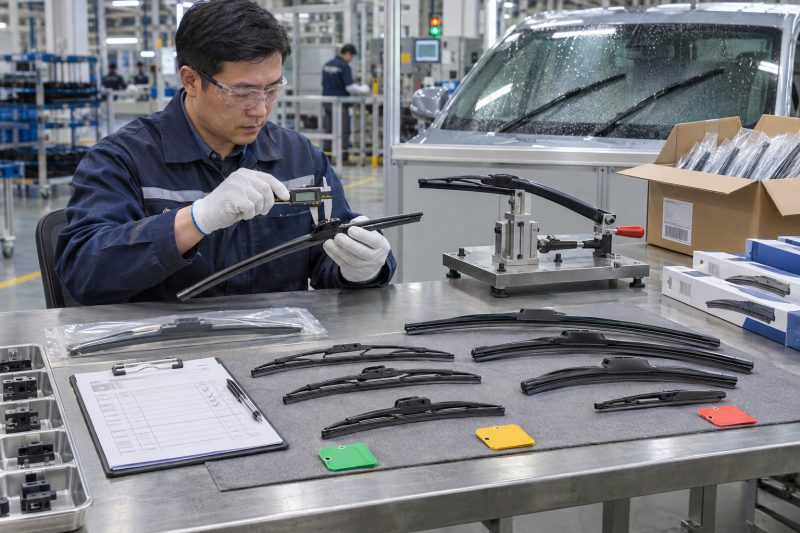
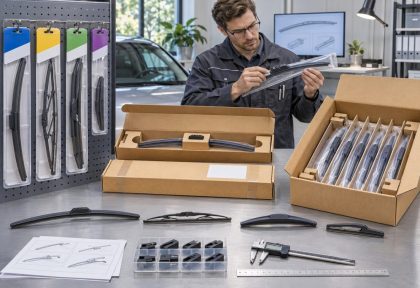
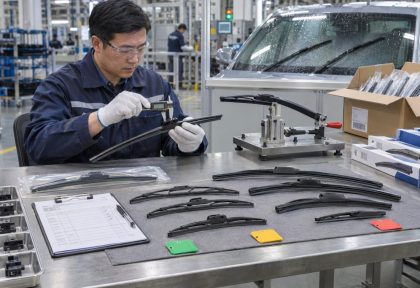
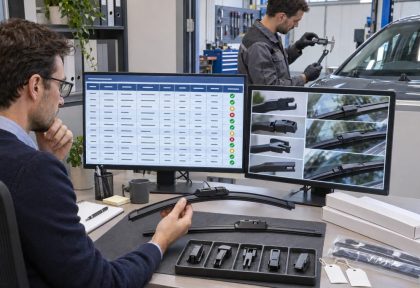
I am Jacky Huang, CEO of Xiamen TOPEX Auto Parts Co., Ltd. When supporting distributors and private-label buyers, I recommend converting the approved sample into a written quality standard. The specification should cover the blade’s identity, dimensions, materials, adapter, assembly, wiping performance, packaging and traceability.
The inspection agreement should also define how units will be sampled, which SKUs will be tested, how defects will be classified and who has authority to release the shipment. Clear criteria protect both buyer and supplier by reducing subjective decisions and preventing quality expectations from changing after production is complete.
Why “Good Quality” Is Not a Usable Inspection Standard
“Good quality” expresses an expectation, but it does not define a measurable result.
An inspector cannot objectively evaluate a shipment without knowing:
- The approved blade length and tolerance
- The correct adapter and connector dimensions
- The permitted color or finish variation
- The acceptable level of cosmetic damage
- Whether any streaking is permitted
- How wiping noise should be evaluated
- Which packaging defects are major or minor
- Whether a loose adapter requires rejection
- Which product changes require buyer approval
The phrase “same as sample” is also incomplete. A golden sample provides a useful physical reference, but many important differences are difficult to identify visually.
Two blades can look nearly identical while using different:
- Rubber compounds
- Rubber hardness
- Wiping-edge finishes
- Spring-steel profiles
- Adapter resins
- Coatings
- Adhesives
- Assembly pressures
- Packaging materials
These differences can affect fitment, windshield contact, wiping noise, corrosion resistance and durability.
Quality must be converted into verifiable requirements
A practical inspection standard combines four types of evidence:
- Written specifications: Dimensions, materials, construction and packaging requirements
- Golden sample: Approved physical reference for appearance and assembly
- Limit samples or photographs: Examples of acceptable and unacceptable defects
- Test procedures: Defined methods for fitment, retention and wiping evaluation
The written specification controls measurable characteristics. The golden sample supports physical comparison, while defect photographs reduce disagreement over cosmetic conditions.
The approved sample should also be connected to a documented evaluation process. Buyers can use the TOPEX wiper blade sample testing checklist to define the blade, adapter, test vehicle, glass condition, wiping observations and packaging evidence before releasing production.
Inspection cannot prove every quality claim
Pre-shipment inspection is appropriate for confirming batch-level characteristics such as:
- Product identity
- Quantity
- Appearance
- Dimensions
- Assembly
- Connector operation
- Initial wiping performance
- Packaging
- Labels
- Batch information
It cannot normally prove long-term durability, rubber aging or extended environmental resistance within a short factory visit.
Those characteristics may require:
- Laboratory reports
- Periodic validation
- Material certificates
- Controlled aging tests
- Durability equipment
- Batch-level supplier test reports
The quality agreement should distinguish what must be checked during every shipment from what will be verified periodically or through laboratory evidence.
The Inspection Mistakes That Allow Defects into Bulk Orders
An inspection may be completed correctly according to its checklist and still miss important risks if the checklist is too narrow.
Checking only appearance and quantity
Counting cartons and examining surface finish can identify obvious errors, but many commercially important failures are functional.
A blade may look acceptable while having:
- An adapter that does not lock
- A loose end cap
- An incorrectly assembled steel rail
- Uneven pressure distribution
- A damaged wiping edge
- The wrong rubber profile
- Incorrect blade curvature
- Incomplete windshield contact
- Wrong packaging information
Visual inspection should therefore be combined with dimensional, assembly, fitment and wiping checks.
Testing only the easiest SKU
Inspectors may select a short U-hook blade because it is convenient to install and test. That product may not represent the highest-risk items in the order.
Longer beam blades can reveal:
- End lift
- Incorrect spring curvature
- Uneven pressure
- Higher connector stress
- Packaging deformation
Non-U-hook and OE-specific adapters can reveal:
- Incorrect dimensions
- Difficult installation
- Incomplete locking
- Excessive movement
- Wrong installation instructions
Hybrid, conventional, beam and rear blades also use different structures. One sample cannot represent every design.
Representative inspection should cover the main risk groups in the shipment, including:
- Short, medium and long lengths
- High-volume SKUs
- Different blade structures
- U-hook and non-U-hook connectors
- Driver- and passenger-side products
- Rear blades where included
- Private-label packaging versions
- New or recently modified products
Testing on dirty or dry glass
Contaminated glass can cause a good blade to smear, chatter or leave water film. Testing on dry or gritty glass can damage a new wiping edge.
Before a wiping test:
- Inspect the glass for scratches or damage.
- Remove dirt, wax, oil and other contamination.
- Record any water-repellent coating.
- Confirm that the correct blade and adapter are installed.
- Wet the glass using a consistent water application.
- Operate the wiper at the specified speed.
- Observe the full sweep and reversal points.
A failed result should be investigated before being assigned to the product. Glass condition, installation, arm pressure and fitment can all influence performance.
Confusing zero tolerance with ordinary defects
Not every defect should receive the same treatment.
A minor printing variation does not create the same risk as an adapter that can detach during operation. Applying zero tolerance to every cosmetic issue can make normal production impractical, while treating safety-related failures as ordinary major defects can expose the buyer to unacceptable risk.
The quality agreement should classify defects according to their commercial and functional consequences.
Discussing AQL after production
Sampling levels and defect classifications should be agreed before manufacturing begins.
If the buyer introduces stricter criteria after the goods are completed, the supplier may argue that the new rules were not part of the order. If the supplier applies its own generic AQL plan without buyer approval, important product risks may be overlooked.
AQL is a sampling method. It is not a product specification and does not mean that known defective products are acceptable.
How to Turn the Approved Sample into Measurable Specifications
The golden sample should become one element of a controlled approval package. It should not remain an unlabelled product stored in a sales office.
Identify the complete approved product
The sample record should include:
- Product code
- Blade length
- Blade structure
- Color and finish
- Rubber specification
- Frame or spring structure
- Adapter code
- Included accessories
- Logo
- Package
- Barcode
- Instructions
- Carton markings
- Approval date
- Approver
- Sample identification number
Photograph the sample from consistent angles and retain images of the package, label, connector and adapter.
Establish measurable tolerances
Dimensions should be measured using an agreed method. The specification may include:
- Overall blade length
- Rubber-element length
- Rubber-profile dimensions
- Adapter dimensions
- Connector width
- Steel-rail or frame dimensions
- Product weight
- Package dimensions
- Carton dimensions
The tolerance for each characteristic should reflect its effect on fitment and performance. A critical connector dimension may require tighter control than an overall package measurement.
Do not copy tolerance values from an unrelated supplier template. The parties should establish suitable limits based on the product design, manufacturing capability, target market and inspection method.
Define material and structural requirements
Material requirements may include:
- Rubber type or approved formulation
- Rubber hardness range
- Wiping-edge treatment
- Spring-steel grade or approved specification
- Adapter resin
- Frame material
- Surface coating
- Adhesive
- End-cap material
- Packaging material
The buyer may not need every proprietary formulation detail, but the supplier should be able to control the approved materials and prevent unauthorized substitutions.
Define adapter and retention requirements
The inspection standard should identify:
- Correct arm type
- Adapter number
- Installation direction
- Locking method
- Permitted movement
- Removal method
- Included components
- Installation instructions
The blade should install without abnormal force, lock fully and resist a controlled retention check. An actual reference arm or validated fixture can help inspectors verify the connector consistently.
Define wiping-performance observations
A useful wiping standard distinguishes among defect patterns rather than using only “pass” or “fail.”
Record whether the blade produces:
- Fine fixed streaks
- Cloudy smearing
- Persistent water film
- A missed band
- End lift
- Chatter
- Reversal judder
- Skipping
- Abnormal noise
- Interference with trim or another blade
The acceptance criteria should state the glass condition, water application, test speed, number of cycles and observation area.
Video can capture noise, jumping and loss of contact. Fixed-angle photographs are useful for documenting streak locations and missed areas.
Bulk inspection standard table
| Inspection item | Recommended checks | Acceptance reference |
|---|---|---|
| Product identity | Model, length, structure, color, logo and adapter | Purchase order, specification and golden sample |
| Dimensions and weight | Overall length, rubber length, adapter dimensions and unit weight | Buyer- and supplier-approved tolerances |
| Appearance and assembly | Scratches, deformation, burrs, corrosion, looseness, missing parts and coating | Defect limit samples and classification rules |
| Connector and fitment | Installation, locking, removal and compatibility with the specified arm | Actual wiper arm or validated fixture |
| Wiping performance | Streaks, water film, missed areas, skipping, judder and noise | Controlled glass, water and installation conditions |
| Rubber and structure | Wiping edge, coating, retention, steel rails and pressure distribution | Product specification and test method |
| Packaging and labels | Package structure, printing, barcode, manual and packing quantity | Approved packaging files |
| Reliability evidence | Durability, temperature, ozone, corrosion and material performance | Agreed standards and valid reports |
| Traceability | Batch number, production date, inspection record and carton identification | Order traceability requirements |
Link the specification to repeat-order controls
The specification should remain active after the first shipment. TOPEX’s guide to consistent wiper blade quality across repeat orders explains why materials, process settings, batch testing, traceability and change control must continue after initial sample approval.
What to Test During Pre-Shipment Wiper Blade Inspection
Pre-shipment inspection should confirm that the completed order matches the approved specification and that representative units perform as required.
Confirm the inspection lot
Before sampling, verify:
- Total order quantity
- Quantity by SKU
- Number of cartons
- Packaging versions
- Production completion level
- Carton locations
- Reworked or segregated goods
- Batch numbers
The inspector should have access to the complete lot rather than a small group of cartons prepared by the supplier.
Select samples randomly
Samples should be drawn from different:
- Carton locations
- Pallets
- Production dates
- SKUs
- Blade lengths
- Adapter systems
- Packaging versions
The sampling method should prevent the factory from presenting specially selected products.
Verify quantity and assortment
Compare carton contents with:
- Purchase order
- Packing list
- SKU allocation
- Carton markings
- Barcode list
Mixed-SKU shipments are particularly vulnerable to packing errors. A correct total quantity does not compensate for shortages of fast-moving sizes or excess quantities of another SKU.
Inspect product identity and appearance
Check:
- Product model
- Blade length
- Structure
- Color
- Logo
- Adapter
- End caps
- Rubber
- Frame or spring
- Surface treatment
- Included accessories
Common visual defects include:
- Scratches
- Dents
- Deformation
- Coating damage
- Rust
- Burrs
- Flash
- Color variation
- Loose parts
- Missing components
- Dirt or contamination
Use approved limit samples or photographs wherever subjective judgment may create disagreement.
Measure critical dimensions
The inspector should measure characteristics identified in the specification rather than collecting random dimensions that do not affect the product.
Priority measurements may include:
- Blade length
- Rubber length
- Connector dimensions
- Adapter width
- Product weight
- Package dimensions
- Carton dimensions
Measurement equipment should be suitable for the required tolerance and in acceptable condition.
Check assembly and retention
Inspectors should check whether:
- Rubber is retained correctly
- Steel rails are positioned correctly
- End caps are secure
- Rivets or joints are stable
- Spoilers are correctly oriented
- Adapters are assembled correctly
- Locks engage completely
- The blade resists the agreed retention check
Any condition that could allow the blade or rubber element to detach during operation should receive stricter treatment than an ordinary cosmetic issue.
Test representative fitment
Use reference arms, validated fixtures or actual vehicles where practical.
Test:
- Adapter selection
- Installation direction
- Installation force
- Locking
- Movement after installation
- Gentle retention check
- Removal
- Reinstallation where required
The instructions and package should identify the same adapter and process used during the inspection.
Conduct controlled wiping tests
Wiping tests should use consistent conditions.
Record:
- Blade SKU
- Blade length
- Adapter
- Reference vehicle or test rig
- Glass condition
- Water or washer fluid
- Wiper speed
- Test cycles
- Observed defect
- Photograph or video
- Result
Long blades, new adapters and modified products should receive greater attention.
A pre-shipment test confirms initial wiping performance. It should not be presented as proof of the product’s entire service life.
Inspect packaging and labels
Check the complete retail and shipping package:
- Product code
- Size marking
- Logo
- Color
- Barcode
- Adapter information
- Vehicle or connector data
- Installation instructions
- Included accessories
- Package sealing
- Product protection
- Carton strength
- Carton quantity
- Shipping marks
A packaging error can create fitment returns even when the blade itself is correct.
Review reliability evidence
Some tests are not practical during an ordinary shipment inspection.
Depending on the agreed quality plan, request current evidence for:
- Wiping durability
- Rubber aging
- High- and low-temperature performance
- Ozone resistance
- UV resistance
- Corrosion or salt-spray performance
- Material properties
- Coating performance
- Adapter durability
The reports should identify the tested product, method, date and result. Generic reports for unrelated models or materials should not be accepted automatically.
How to Define Pass, Rework and Rejection Decisions Before Production
The buyer, supplier and inspection company should understand the decision rules before the order enters production.
Classify defects by risk
A practical classification system includes critical, major and minor defects.
| Defect class | General meaning | Wiper blade examples |
|---|---|---|
| Critical | Creates an unacceptable safety, legal or detachment risk | Adapter cannot lock, blade can detach, rubber element can release, prohibited material or incorrect safety-critical construction |
| Major | Likely to cause failure, returns or inability to use the product | Wrong adapter, serious streaking, missed area, excessive noise, deformed blade, wrong size or missing components |
| Minor | Does not normally prevent use but reduces appearance or presentation quality | Small permitted cosmetic mark, slight non-critical print variation or minor packaging finish issue |
The actual classification should be agreed for the specific product and market. A defect may move between categories depending on its location, severity and commercial effect.
Identify zero-tolerance conditions
Critical defects may require zero tolerance in the shipment agreement.
Possible examples include:
- Connector cannot lock
- Blade detaches from the arm
- Rubber element can pull out during normal operation
- Sharp edge creates an injury risk
- Incorrect product is packed under another application
- Required component is missing
- Unauthorized critical material substitution
- Product is contaminated or damaged beyond safe use
Zero tolerance should be reserved for genuinely critical conditions, not applied indiscriminately to every cosmetic variation.
Agree the sampling plan and AQL
The agreement should specify:
- Inspection standard or sampling approach
- Lot definition
- Inspection level
- Sample size
- Critical, major and minor defect treatment
- Functional-test quantity
- SKU-selection method
- Acceptance and rejection numbers
- Reinspection rules
AQL values should reflect the product grade, target market, order risk and commercial consequences. They should be selected with qualified quality professionals rather than copied from another product category.
Define the available decisions
Pass
The shipment meets the agreed acceptance criteria and can be released by the authorized party.
A pass should still record:
- Samples inspected
- Tests performed
- Defects found
- Photographs
- Measurements
- Batch numbers
- Packaging results
Rework
Rework may be appropriate when defects can be corrected reliably, such as:
- Wrong label
- Missing instruction sheet
- Loose non-damaged component
- Packaging error
- Incorrect carton quantity
- Cleanable surface contamination
The rework plan should define:
- Affected quantity
- Correction method
- Responsible party
- Completion deadline
- Reinspection method
- Evidence required
The supplier should not perform unverified rework and ship the goods without inspection.
Reject
Rejection may be necessary when:
- Critical defects are found
- Major defects exceed the agreed limit
- Product identity is wrong
- Functional performance fails
- Unauthorized materials or components are used
- Rework cannot restore conformity
- Traceability is missing
- The shipment differs materially from the approved sample
The contract should specify the commercial options following rejection, including sorting, replacement, rework, price adjustment, cancellation or another agreed remedy.
Define shipment-release authority
The inspection company reports findings but may not have authority to approve commercial deviations.
The agreement should identify who can:
- Accept the inspection report
- Approve a deviation
- Authorize rework
- Approve reinspection
- Release the shipment
- Reject the batch
Suppliers should not interpret silence or an inspector’s informal comment as shipment approval.
Control production changes
Materials, construction and suppliers should not change without written approval.
Controlled items may include:
- Rubber compound
- Rubber profile
- Spring steel
- Frame material
- Adapter resin
- Coating
- Adhesive
- End caps
- Connector
- Packaging material
- Sub-supplier
- Tooling
- Assembly process
The supplier should submit a change request explaining:
- Reason for change
- Current and proposed specification
- Performance effect
- Fitment effect
- Appearance effect
- Test evidence
- Implementation date
- Affected orders
Important changes may require new samples, testing and golden-sample approval.
Audit the supplier’s inspection system
Buyer inspection should not replace factory quality control. A reliable supplier should control incoming materials, first-piece approval, in-process production, finished goods and traceability.
The TOPEX wiper blade supplier audit checklist provides a framework for reviewing manufacturing identity, material control, fitment data, testing, packaging, traceability and corrective-action capability.
Use claims data to improve future inspections
After shipment, record complaints by:
- SKU
- Batch number
- Production date
- Vehicle application
- Blade position
- Adapter
- Failure symptom
- Quantity affected
Recurring streaking, noise or locking complaints should influence the next inspection plan. High-risk SKUs may need greater sample coverage until the corrective action is verified.
Conclusion
A reliable bulk wiper blade inspection begins before production, not when finished cartons are ready to ship. Buyers should convert the approved sample into a written specification covering product identity, dimensions, materials, adapter fitment, assembly, wiping performance, packaging and traceability.
The inspection agreement should also define the sampling plan, defect classifications, acceptance limits, test conditions and responsibility for rework or rejection. Pre-shipment inspection can confirm batch-level workmanship and initial performance, while durability, corrosion and material properties normally require separate laboratory evidence or periodic validation.
By combining a sealed golden sample, measurable specifications, representative SKU testing and controlled change approval, importers can make quality decisions more objective and reduce disputes across repeat orders.
FAQ
1. What should be included in a bulk wiper blade inspection checklist?
The checklist should cover product identity, quantity, dimensions, weight, appearance, assembly, connector operation, adapter retention, wiping performance, rubber condition, packaging, labels, barcodes and traceability. It should refer to the purchase order, approved specification, golden sample and defect classifications.
2. How should wiper blade defects be classified for AQL inspection?
Defects should normally be classified as critical, major or minor according to their safety, functional and commercial effect. Detachment risks should be treated more strictly than cosmetic marks. The classification and sampling plan should be approved before production.
3. Which wiper blade defects should have zero tolerance?
Possible zero-tolerance conditions include an adapter that cannot lock, a blade that can detach, a rubber element that can release, a hazardous sharp edge, an incorrect critical component or an unauthorized material substitution. The final list should be defined in the quality agreement.
4. How can buyers test wiping performance before shipment?
Install representative blades correctly on validated arms or vehicles, clean and wet the glass, operate the wipers under consistent conditions, and record streaking, water film, missed areas, noise, judder and end lift. Use photographs and videos to document the results.
5. Should every wiper blade SKU be tested during inspection?
Not every unit or SKU necessarily requires a full wiping test, but inspection should cover representative risk groups. Include important lengths, high-volume products, different blade structures, adapter systems, new models and customized packaging. The agreed sampling plan should define the coverage.
6. How can buyers ensure bulk production matches the approved sample?
Retain a sealed golden sample, issue measurable specifications, freeze critical materials and components, require written change approval and conduct representative pre-shipment inspection. Batch numbers and inspection records should connect the shipment to its production and material history.

--- END ---