
Why Quality Wiper Blades Matter for Road Safety
Aug 18, 2026
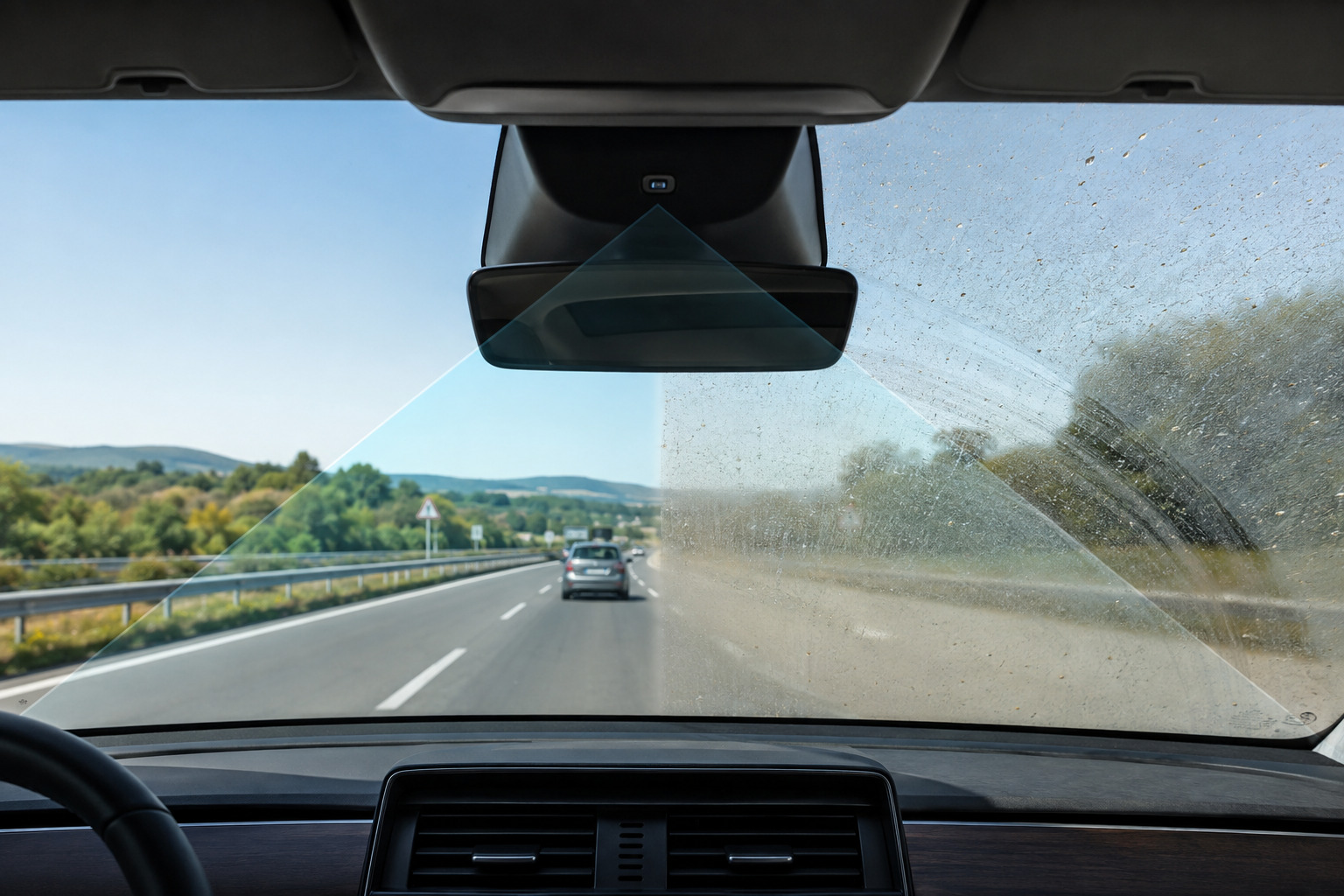
Poor windshield visibility can turn ordinary rain, road spray, or nighttime glare into a serious driving risk. Worn wiper blades make the problem worse because they leave water films, streaks, and missed areas across the glass. I believe drivers and automotive parts buyers can reduce this risk by focusing on actual wiping performance, correct fitment, and timely replacement.
Quality wiper blades matter for road safety because they maintain clear and stable visibility when rain, snow, dirt, insects, and road spray cover the windshield. I recommend choosing blades that fit the vehicle, match the local climate, maintain even contact with the glass, and remain stable at driving speed. Drivers should replace them whenever streaking, skipping, noise, cracking, or incomplete wiping appears.
As the CEO of Xiamen TOPEX Auto Parts Co., Ltd., I have worked with wiper blade production, sourcing, export, and supply chain management for many years. I have learned that a wiper blade should never be treated as a simple rubber accessory. Its material, structure, pressure distribution, connector, packaging, and application accuracy all affect how safely and reliably it performs after installation.
Why Worn Wiper Blades Make Driving More Dangerous Than You Think
Many drivers notice weak wiping performance but continue using the same blades because the wipers still move across the windshield. Automotive retailers and service businesses can make a similar mistake when they focus only on replacement intervals. A moving blade is not necessarily a working blade. If it leaves a thin water film, creates glare, or misses part of the glass, it can already be a safety problem.
Worn wiper blades increase driving risk because they reduce the driver’s ability to identify vehicles, pedestrians, lane markings, signs, and road hazards. The danger becomes greater during heavy rain, road spray, and nighttime driving. I consider streaking, smearing, skipping, blade lift, and incomplete wiping to be performance failures, even if the blade has not reached a planned replacement date.
Water Films and Nighttime Glare Reduce Useful Visibility
A worn rubber edge cannot remove water evenly from the windshield. It may push some water away while spreading the rest into a thin film. That film can scatter light from streetlights, traffic signals, and approaching headlights. The windshield may appear almost clear during daylight, but the same wiping result can create strong visual distortion at night.
Drivers need more than a visible road surface. They need enough contrast to judge distance, movement, and changes in traffic. When a blade leaves repeated streaks in the driver’s main viewing area, the driver may need more time to recognize a stopped vehicle or a person crossing the road. I believe this delay is why wiping quality should be treated as a practical road safety issue.
Wiper Blades Also Matter in Dry Conditions
Wipers do not work only during rain and snow. Dust, pollen, insects, bird droppings, and road grime can collect on the windshield during dry weather. When drivers use suitable washer fluid, a good blade should remove these materials without spreading them into a wider layer. Poor cleaning can become especially distracting when drivers face direct morning or evening sunlight.
In my experience, buyers sometimes evaluate blades only with clean water on clean glass. That test does not show the complete picture. A useful evaluation should also consider common contaminants and the condition of the windshield. Dirt trapped under a damaged edge can be dragged across the glass, while an exposed hard component can create scratches that affect optical clarity.
| Driving condition | Common visibility problem | Wiper-related risk | Recommended response |
|---|---|---|---|
| Heavy rain | Water collects faster than it clears | Missed areas and delayed hazard recognition | Check pressure distribution and wiping coverage |
| Night rain | Water films scatter headlights | Glare and reduced contrast | Replace blades that smear or leave fine streaks |
| Highway spray | Dirty water repeatedly reaches the glass | Unstable or incomplete wiping | Check aerodynamic stability and blade contact |
| Dry weather | Dust, insects, and pollen build up | Smearing in direct sunlight | Use washer fluid and clean the rubber edge |
| Snow and ice | Frozen material restricts movement | Skipping, damage, or poor contact | Remove ice before use and select a suitable structure |
Retailers, distributors, and repair chains should communicate these risks clearly at the point of sale. A customer may not understand technical rubber compounds, but that customer will understand streaks, glare, noise, and missed areas. Clear performance-based guidance supports safer replacement decisions and can also reduce complaints caused by drivers waiting too long.
The Warning Signs Drivers Often Ignore Until Visibility Gets Worse
Wiper deterioration usually develops step by step. The blade may begin with a small streak near one edge, occasional noise, or a light jump across the windshield. Drivers often accept these problems until heavy rain reveals a much larger loss of visibility. I advise buyers and service teams to teach customers how to recognize early warning signs before conditions become difficult.
Drivers should inspect or replace their wiper blades when they see streaking, smearing, skipping, chattering, cracked rubber, missed sections, loose installation, or lifting at highway speed. I do not recommend using blade age as the only decision rule. Actual wiping performance, climate exposure, storage conditions, and visible material damage provide a more useful basis for replacement.
Visual and Audible Signs of Deterioration
Different symptoms can point to different causes. A dirty windshield or rubber edge can sometimes cause temporary streaking, so cleaning should be the first check. However, repeated problems after cleaning usually indicate wear, deformation, poor fitment, weak pressure, or damage. The following inspection points help drivers and service technicians make a more informed decision:
- Look for continuous streaks or a hazy film after the blade passes over wet glass.
- Check whether any part of the wiping area remains covered with water.
- Listen for squeaking, chattering, or repeated impact during blade movement.
- Watch for skipping instead of smooth movement across the windshield.
- Inspect the rubber edge for cracks, tears, hardening, or permanent deformation.
- Confirm that the adapter is locked securely and that the blade does not move loosely.
- Observe whether the blade lifts from the glass at normal highway speed.
- Check for exposed metal or hard plastic that could contact the windshield.
I recommend recording these symptoms during routine vehicle inspections. Service chains can add a simple wiper check to regular maintenance procedures. Retailers can place a short inspection guide near wiper displays or include one in online product content. These steps help customers connect visible symptoms with the correct replacement action.
Why a Fixed Replacement Schedule Is Not Enough
A replacement period of roughly six to twelve months is often used as general guidance, but it should not be treated as a guarantee. Strong sunlight, high temperatures, ice, road salt, frequent rain, dirt, and long outdoor parking can change the rate of rubber deterioration. A vehicle in a hot and sunny market may face different wear from one used in a cold coastal region.
I prefer a combined approach. Drivers should use time as a reminder to inspect, and they should use performance as the final reason to replace. A blade should not remain in service simply because it is “not old enough.” At the same time, a blade does not need automatic replacement if it remains undamaged, correctly installed, and effective under real wiping conditions.
| Warning sign | Possible cause | First action | Replacement decision |
|---|---|---|---|
| Light streaking | Dirty glass or contaminated edge | Clean the glass and blade | Replace if streaking remains |
| Chattering | Dry glass, damaged rubber, or poor contact | Test on a properly wet windshield | Replace if movement stays uneven |
| Missed areas | Deformed blade or uneven pressure | Check installation and fitment | Replace if contact cannot be restored |
| Cracked rubber | UV, heat, cold, or age-related wear | Inspect the full rubber edge | Replace promptly |
| Highway lift | Weak aerodynamic control or wrong fit | Confirm blade type and installation | Select a stable, correctly fitted blade |
| Scraping sound | Torn rubber or exposed hard material | Stop using the blade | Replace before further glass damage |
Automotive buyers can also use complaint data to improve purchasing. If one blade family produces repeated reports of noise, lifting, or missed areas, the problem may involve more than customer installation. It may point to adapter tolerance, pressure distribution, rubber consistency, or unsuitable application coverage. I always encourage buyers to separate isolated misuse from repeated product patterns.
How to Choose the Right Wiper Blades for Your Vehicle and Climate
Choosing a wiper blade by length alone can lead to poor contact, unstable installation, and unnecessary returns. The correct choice depends on the vehicle application, wiper arm, connector, windshield shape, driving environment, and expected price level. For B2B buyers, these variables also influence SKU planning, package information, staff training, and inventory turnover.
The right wiper blade must match the vehicle’s make, model, year, required length, and connector type before material or appearance is considered. I then recommend matching the blade structure and rubber specification to local rain, snow, heat, ultraviolet exposure, and highway use. Correct fitment creates the foundation, while suitable materials and design support reliable performance.
Start with Vehicle and Connector Accuracy
A clear application list is one of the most useful purchasing tools in the wiper blade business. It should identify the market, vehicle, model year, driver-side length, passenger-side length, rear application when relevant, and arm or connector type. Buyers should also check whether a model changed its wiper system during a production generation.
Multi-fit products can simplify inventory because one product may support several arm types. However, broader coverage also increases the importance of clear adapter instructions. An adapter that fits technically can still create complaints if users cannot identify the correct component or locking method. I recommend testing installation with people who have not previously handled the product, because their experience often reveals unclear instructions.
Before approving a blade range, buyers should confirm the following information:
- Identify the target country and the common vehicle population in that market.
- Verify the make, model, model year, and any body-style differences.
- Confirm the required blade lengths for each wiping position.
- Match the connector or wiper arm type instead of assuming a universal fit.
- Test that the adapter locks securely without unusual force or loose movement.
- Check contact across the complete windshield sweep.
- Review package instructions, application labels, and online fitment data.
- Perform wet wiping tests after installation on representative vehicles.
Match Blade Structure to Climate and Use
No single blade structure is automatically right for every market. Conventional framed blades can offer familiar installation and broad economy coverage. Flat blades provide a low-profile structure and can support even pressure along curved glass when the design is properly matched. Hybrid blades combine a supporting frame with an external cover, while winter products focus on reducing problems caused by snow and ice buildup.
| Blade option | Practical advantage | Important limitation | Suitable purchasing context |
|---|---|---|---|
| Conventional blade | Familiar design and accessible price positioning | Exposed frame can collect snow or debris | Economy ranges and broad service coverage |
| Flat or beam blade | Low profile and potentially even glass contact | Correct curvature and adapter fit remain essential | Modern vehicles and premium aftermarket programs |
| Hybrid blade | Protected appearance with framed support | More components can affect cost and weight | Buyers seeking a balanced retail offering |
| Snow blade | Designed for winter contamination and difficult conditions | Seasonal demand can create inventory risk | Cold regions with regular snow and ice |
| Silicone blade | Can provide strong weather resistance when well formulated | Material claims alone do not guarantee fit or wiping quality | Premium programs after comparative testing |
Buyers should avoid selecting products based on the words “rubber” or “silicone” alone. Material formulation, edge processing, surface treatment, spring pressure, windshield contact, and production consistency all affect real performance. Silicone can be a useful option for demanding climates, but a correctly fitted and well-made rubber blade may perform better than a poorly designed silicone product.
Climate planning also affects stock levels. Wholesalers in cold markets may need to prepare snow and winter-related products before the first severe weather. Buyers in hot regions should consider UV exposure and rubber hardening. E-commerce sellers should connect climate guidance with accurate application data, because customers need both the correct size and a product suited to their conditions.
What Separates Quality Wiper Blades from Cheap Replacements
Low price can help a distributor enter a competitive segment, but purchase price does not show the full commercial result. A cheap blade can become expensive when it causes returns, negative reviews, installation complaints, slow repeat sales, or damage to customer trust. I advise buyers to compare total program performance instead of judging products only by the initial unit cost.
Quality wiper blades combine suitable rubber, even pressure, secure fitment, stable aerodynamic behavior, clear application support, and consistent production control. At TOPEX, I focus on how these factors affect visibility, installation, returns, and long-term buyer confidence. A product does not become high quality because of one material claim or an attractive package; its complete system must work together.
Material Quality and Windshield Contact Must Work Together
The wiping edge needs enough flexibility to follow the glass, but it must also resist early cracking, tearing, and deformation. The supporting structure needs to distribute pressure across the blade length. If pressure is too weak in one area, water remains on the windshield. If contact is uneven or excessive, the blade can create noise, friction, or irregular motion.
That is why I encourage buyers to test finished blades instead of approving materials only from a specification sheet. A rubber description does not prove that the complete blade will clear a specific windshield. Buyers should inspect edge condition, pressure distribution, connector security, movement, noise, and wiping results. They should also compare samples from different production batches when planning long-term purchasing.
The TOPEX flat wiper blade range gives buyers options for different vehicle applications, adapter strategies, and aftermarket positions. I recommend choosing within the range according to target vehicles and sales channels instead of automatically selecting the model with the highest stated specification.
Aerodynamic Stability Matters at Driving Speed
A stationary fitment check cannot show how a blade behaves under airflow. As vehicle speed increases, air pressure can reduce blade contact if the profile does not manage airflow effectively. The result may be lifting, skipping, or incomplete wiping at the exact time when road spray and fast-moving traffic require a clear view.
An integrated spoiler or low-profile design can support stability, but the final result still depends on blade length, windshield shape, installation angle, and vehicle application. I prefer comparing products through practical tests that represent normal use. Buyers should be cautious with broad speed claims unless the supplier can explain the test method and the exact blade configuration.
Quality Control Should Protect the Buyer’s Business
For wholesalers and retail chains, consistency is as important as a good initial sample. One excellent sample cannot protect a national promotion if later shipments have different rubber, loose adapters, poor packaging, or incorrect labels. Buyers should agree on measurable approval points and confirm how the supplier controls incoming materials, assembly, fitment components, finished wiping performance, and packaging.
A useful supplier review can include these questions:
- Does the approved sample represent the planned production materials and construction?
- How does the supplier control rubber edges, spring components, adapters, and locking strength?
- Can the supplier maintain correct labels across many lengths and application groups?
- How are mixed-SKU orders checked before packing and shipment?
- Can the supplier provide packaging suitable for retail shelves and e-commerce fulfillment?
- How are complaints recorded, investigated, and linked to corrective action?
- Can the supplier support sample evaluation before a large seasonal or promotional order?
At TOPEX, I work with buyers to connect product choices with their market, channel, and inventory needs. A wholesaler may require broad coverage across flat, hybrid, conventional, snow, and rear blades. A retail chain may place more weight on shelf-ready packaging and launch timing. An online seller may need accurate images, clear installation content, compact packaging, and dependable fitment information.
A Balanced Range Can Protect Inventory Turnover
Premium products are not always the correct answer for every customer, and economy products are not automatically a poor decision. A successful range may include both, but each price level should have a clear purpose and an acceptable quality baseline. Buyers should define what changes between tiers, such as material, structure, adapter system, design, packaging, or market positioning.
| Purchasing factor | Weak low-cost approach | More reliable quality approach | Business effect |
|---|---|---|---|
| Rubber selection | Chosen mainly by price | Evaluated with finished wiping performance | Fewer early complaints |
| Pressure distribution | Limited attention to glass contact | Checked across the wiping area | Better clearing consistency |
| Connector fit | Broad fit claim without clear validation | Application and locking checks | Lower installation risk |
| Aerodynamics | Appearance treated as proof | Stability assessed under representative use | Better highway performance |
| Packaging | Generic label with limited guidance | Clear size, adapter, and installation information | Easier customer selection |
| Production control | Sample-focused approval | Ongoing batch and shipment checks | More stable repeat orders |
I believe the most useful supplier is one that helps the buyer make these trade-offs openly. Buyers need accurate information about what each product can and cannot do. This approach supports realistic product positioning, reduces overpromising, and creates stronger long-term B2B cooperation.
A Simple Wiper Inspection and Replacement Routine for Safer Driving
Drivers do not need advanced equipment to identify many common wiper problems. They need a clean windshield, suitable washer fluid, a few minutes for inspection, and a basic understanding of correct blade movement. Retailers and service chains can turn this routine into a useful customer service process, while distributors can include it in product and training materials.
I recommend inspecting the windshield and blades regularly, cleaning both surfaces, performing a wet wiping test, checking the rubber and installation, and replacing any blade that remains noisy, damaged, unstable, or ineffective. Buyers should also prepare product and fitment information before contacting a supplier, because clear requirements make samples, quotations, packaging decisions, and delivery planning more accurate.
Follow a Practical Inspection Routine
The inspection should begin before the wiper motor is activated. A driver should remove loose debris and confirm that the blade is not frozen to the glass. The rubber edge should then be checked for cracks, tears, hard areas, or deformation. The adapter and blade body should feel secure, but users should avoid pulling with enough force to damage the arm.
After the visual check, the driver should wet the windshield with washer fluid and operate the system. I do not recommend dry wiping because dry dirt can increase friction and may scratch the glass. The driver should watch the complete sweep and look for streaks, missed areas, jumping, smearing, or slow return movement.
A simple routine can follow these steps:
- Clean the windshield with a suitable glass-cleaning method.
- Wipe the blade edge gently to remove dust and road residue.
- Inspect the rubber for cracks, tears, hardening, or separation.
- Confirm that the connector is fully locked onto the wiper arm.
- Check that the blade body is not bent, loose, or damaged.
- Apply washer fluid before operating the blades.
- Observe the full wiping area from inside the vehicle.
- Listen for squeaking, chattering, scraping, or repeated impact.
- Replace the blade if cleaning and correct installation do not restore performance.
- Repeat the check before rainy seasons, winter travel, or a long road journey.
Prepare the Right Information Before Ordering
A B2B buyer needs a broader routine because one incorrect purchasing decision can affect many stores, workshops, vehicles, or online orders. Before requesting samples or a quotation, buyers should define the sales market, target vehicle population, blade types, application coverage, expected volume, price level, and packaging format.
I also recommend sharing an estimated order mix rather than only a total quantity. Ten thousand blades across a small group of fast-moving sizes require a different production and inventory plan from the same quantity spread across many slow-moving applications. This information helps the supplier discuss mixed-SKU packing, production sequencing, and realistic delivery arrangements.
Request Samples and Test the Complete Offer
A sample review should include more than wiping performance. Buyers should check the connector, printed instructions, retail label, barcode position, package strength, product appearance, and installation experience. E-commerce businesses should also verify that the product name, length, connector, and application data are consistent across the physical package and online listing.
Buyers who are developing a range can review the TOPEX hybrid wiper blade options alongside other structures. I can then help compare the products according to vehicle coverage, climate, channel, packaging, and target price. This discussion is more productive when the buyer provides a clear application list and a realistic forecast.
Before moving toward a production order, I suggest confirming these commercial details:
- Target countries and sales channels
- Required flat, hybrid, conventional, rear, snow, or special-use blades
- Vehicle application list and connector coverage
- Estimated volume by blade length or SKU
- Economy, middle, or premium quality position
- Retail, workshop, private-label, or e-commerce packaging
- Barcode, label, language, and installation instruction requirements
- Sample approval method and responsible decision-makers
- Desired order date and required delivery window
- Inspection, complaint handling, and repeat-order expectations
A clear request allows both sides to identify risks early. It also prevents wasted time on products that do not match the market. I prefer to discuss difficult points before an order, including low-volume SKUs, unusual adapters, seasonal deadlines, or packaging complexity. Honest planning creates a stronger supply relationship than a quick quotation based on incomplete information.
Conclusion
Quality wiper blades support road safety by keeping the driver’s view clear during rain, snow, road spray, and dirty windshield conditions. I recommend judging blades by actual wiping performance, correct fitment, pressure distribution, material condition, and stability instead of price or age alone. Drivers should clean and inspect their blades, use a wet wiping test, and replace products that continue to streak, skip, chatter, lift, or miss areas. B2B buyers should also verify applications, test finished samples, plan their SKU mix, and confirm packaging and delivery needs before ordering. These steps can improve customer satisfaction, reduce avoidable returns, protect the windshield, and support healthier long-term sales.
Frequently Asked Questions About Quality Wiper Blades and Road Safety
How do quality wiper blades improve road safety in difficult driving conditions?
Quality wiper blades improve safety by clearing water, road spray, dirt, and other contaminants from the driver’s viewing area. I look for smooth movement, even glass contact, secure installation, and minimal streaking. These qualities help drivers see vehicles, lane markings, pedestrians, and hazards more clearly, especially during nighttime rain when water films can increase glare.
What are the warning signs of worn-out windshield wiper blades?
The most common warning signs include streaking, smearing, skipping, chattering, squeaking, missed wiping areas, cracked rubber, and lifting at speed. I also advise checking for a loose connector or an exposed hard component. Cleaning may solve a minor contamination problem, but the blade should be replaced when poor performance continues after the glass and rubber edge are cleaned.
How often should windshield wiper blades be replaced for reliable visibility?
A six-to-twelve-month period is often used as general guidance, but I do not treat it as a fixed rule. Heat, sunlight, ice, salt, frequent use, and outdoor parking can shorten blade life. I recommend regular inspection and replacement as soon as wiping quality declines, even when the blade has been installed for less than the expected period.
Are silicone wiper blades always better than traditional rubber wiper blades?
Silicone blades can offer useful resistance to temperature and weather exposure, but the material name alone does not guarantee better wiping. I evaluate the complete product, including the edge, pressure distribution, connector, supporting structure, and windshield fit. A well-designed rubber blade can outperform a poorly fitted silicone blade, so buyers should compare finished samples under representative conditions.
How do I choose the correct wiper blades for my vehicle?
I recommend confirming the vehicle make, model, model year, blade position, required length, and connector type before comparing designs or materials. Drivers should also consider local rain, snow, heat, and UV exposure. B2B buyers need an accurate application list because one incorrect connector or length can create returns across many stores, service locations, or online orders.
Can damaged wiper blades scratch the windshield and cause lasting problems?
Yes, damaged blades can contribute to windshield scratches when torn rubber exposes a hard component or when trapped dirt is dragged across the glass. I recommend stopping use if a blade produces a scraping sound or shows serious rubber separation. Cleaning the windshield, avoiding dry wiping, and replacing damaged blades early can help protect the glass and preserve clear visibility.

--- END ---


