
Top Quietest Wiper Blades for Noise Reduction in 2026: Eliminate Chatter & Squeaks
Jul 21, 2026
Your wipers start squeaking the moment rain hits. The sound gets louder at night. Passengers complain. You lose focus on the road. Noisy blades turn every wet drive into a frustrating experience.
The quietest wiper blades in 2026 use beam-style design, premium rubber compounds, and strong aerodynamics to eliminate chatter and squeaks. They deliver smooth, silent wiping that improves comfort and safety in rain.
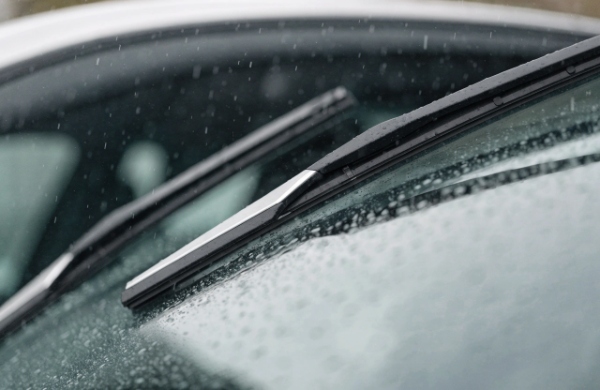
You now understand why silence matters more than most people realize. Let’s explore why noisy blades create real problems, the common mistakes that make noise worse, what features actually deliver quiet performance, why Topex quiet beam blades stand out, and your clear next step for silent wiping.
Why Noisy Wiper Blades Are More Than Just Annoying – They Affect Safety and Comfort
I hear the same complaint from drivers every week. The squeak starts soft. Then it becomes constant. People try to ignore it until it drives them crazy.
Noisy wiper blades do more than annoy. They distract drivers, increase fatigue, reduce focus in heavy rain, and make passengers uncomfortable. Quiet blades improve both comfort and safety on every wet drive.
Distraction During Critical Moments
Squeaks and chatter pull your attention away from the road. In heavy rain or at night this small distraction can delay reaction time when you need it most.
Increased Driver Fatigue
Constant noise adds mental load on long trips. Your brain works harder to filter the sound. You arrive more tired even after normal drives.
Passenger Complaints
Family members and passengers notice the noise quickly. What feels minor to the driver often feels loud and irritating to everyone else in the car.
Nighttime Amplification
Quiet roads and closed windows make every squeak louder at night. Many drivers only notice how bad the blades are after dark.
Safety Connection
Anything that reduces concentration raises risk. Smooth, silent blades keep your full attention on traffic, signs, and changing conditions.
| Noise Problem | Immediate Effect | Longer Impact |
|---|---|---|
| Constant squeaking | Driver distraction | Higher fatigue |
| Chatter and skipping | Uneven vision | Reduced reaction speed |
| Loud operation at night | Passenger irritation | Less enjoyable driving |
| Vibration through arm | Physical discomfort | Avoidance of wiper use |
This table shows how noise becomes more than a small annoyance. It affects the whole driving experience.
My Customer Noise Story
A long-distance driver told me he dreaded rain because of the noise. After switching to quiet beam blades he said the cabin felt calm again. He could finally focus fully on the road.
Fleet Driver Feedback
Companies that track driver complaints see noise as a top issue. Quiet blades reduce stress reports and improve overall satisfaction scores.
Noisy blades create real problems. Most of those problems come from preventable mistakes.
Common Mistakes That Make Wiper Blades Noisier Than They Should Be
Even good blades can become noisy if basic steps are skipped. I see the same errors repeatedly.
Common mistakes that create noisy wipers include dirty glass, poor installation, wrong blade type, aged rubber, and ignoring aerodynamic design. Fixing these issues often restores quiet operation quickly.
Dirty Windshield and Blade Edge
Road film, wax residue, and dirt create friction. The rubber sticks and releases, producing squeaks and chatter. Clean glass is the first requirement for quiet wiping.
Incorrect Installation
Blades installed backwards or not fully clicked in place vibrate. Uneven pressure causes skipping that sounds like chatter.
Choosing the Wrong Style
Traditional framed blades have more moving parts. These parts can rattle and create noise as they age. Beam designs reduce this problem.
Ignoring Rubber Condition
Hardened or cracked rubber loses its smooth glide. Even new blades become noisy if the compound is low quality.
Skipping Arm and Pressure Checks
Bent arms or weak springs create uneven contact. One side of the blade lifts and chatters while the other side squeaks.
| Mistake | Noise Result | Simple Fix |
|---|---|---|
| Dirty glass | Squeaks and chatter | Clean thoroughly first |
| Bad installation | Vibration and skipping | Re-seat until it clicks |
| Framed design | Rattling as parts wear | Switch to beam style |
| Hardened rubber | Loud friction sounds | Replace with premium compound |
This table highlights the most frequent causes. Most noise problems start with simple oversights.
My Installation Observation
I watched a customer install new blades without cleaning the glass. They squeaked immediately. After a proper clean and reinstall the same blades ran quietly.
Common Shop Finding
Technicians often see “noisy new blades” that are actually dirty glass or incomplete clicks. Proper preparation prevents most complaints.
Mistakes are easy to avoid once you know them. Next we look at what actually makes a blade quiet.
What Makes a Wiper Blade Quiet: Key Features and Top Performers in 2026
Quiet performance is not accidental. Specific design and material choices deliver silence.
The quietest wiper blades in 2026 use frameless beam construction, premium rubber or silicone compounds, aerodynamic spoilers, and even pressure distribution. These features work together to eliminate chatter and squeaks.
Frameless Beam Design
Beam blades have no external metal frame. Fewer parts mean less chance of rattle. The single flexible structure hugs the glass more evenly.
Premium Rubber Compounds
High-quality natural rubber or silicone-enhanced edges glide smoothly. They resist hardening and maintain a clean contact edge longer than basic rubber.
Aerodynamic Spoilers
Integrated spoilers push the blade down at highway speeds. This prevents lift and the vibration noise that comes with it.
Even Pressure Across the Full Length
Consistent contact stops the stick-slip motion that creates squeaks. Beam spines distribute force better than multi-point framed designs.
Proper Fitment and Adapters
Blades that match the arm exactly sit securely. Loose or forced connections vibrate and create noise.
- Clean the windshield and blade edge before every long trip.
- Choose beam-style over traditional framed when quietness is the priority.
- Look for blades specifically tested or marketed for low noise.
- Replace both sides at the same time for balanced performance.
- Test new blades with washer fluid at at low and high speeds.
These features separate quiet blades from average ones. Real tests confirm the difference.
2026 Performance Patterns
Independent reviews consistently rank quality beam blades highest for low noise. Framed designs trail in most wet-weather quietness tests.
Owner Experience Summary
Drivers who switch to well-designed beam blades report immediate drops in cabin noise. The change feels biggest during steady rain and night driving.
Features matter. Execution matters more. That is where Topex stands out.
Why TOPEX Quiet Beam Blades Stand Out for Noise Reduction
I have compared many blades in real rain and on the highway. Topex quiet beam designs deliver consistent silence that lasts.
Topex quiet beam blades combine one-piece aerodynamic construction, premium rubber compounds, and precise pressure distribution. They reduce chatter and squeaks better than many traditional and even some premium competitors.
One-Piece Beam Construction
The frameless design eliminates multiple pivot points that can rattle. The single structure flexes smoothly across modern curved glass.
High-Quality Rubber Edge
Topex uses compounds that stay flexible and glide cleanly. This reduces the friction noise that develops as cheaper rubber ages.
Strong Aerodynamic Profile
Integrated spoilers keep the blade firmly on the glass at speed. Less lift means less vibration and less noise in highway rain.
Reliable Click-In Adapters
Secure fitment prevents the loose connections that cause buzzing and chatter. Installation feels solid and stays that way.
Proven Real-World Quietness
Drivers and fleets report noticeably quieter cabins after switching. The difference shows up fastest in steady rain and overnight trips.
| Topex Quiet Feature | Noise Reduction Benefit | Driver Result |
|---|---|---|
| Beam construction | Fewer rattling parts | Smoother operation |
| Premium rubber | Cleaner glide | Less squeaking over time |
| Aerodynamic spoilers | Reduced lift at speed | Quiet highway performance |
| Secure adapters | Stable mounting | No vibration noise |
This table shows why Topex blades deliver reliable silence. The design choices focus directly on the sources of noise.
My Direct Comparison Notes
In side-by-side wet tests Topex beam blades stayed quieter longer than several popular framed and basic beam options. The cabin felt calmer even after months of use.
Customer and Fleet Reports
Owners describe the change as “finally peaceful rain drives.” Fleets note fewer noise-related complaints and higher driver satisfaction scores.
Topex makes quiet performance practical and lasting. Now it is time to take action.
Ready to Enjoy Silent, Smooth Wiping? Here’s Your Next Step
You understand the problem, the mistakes, the key features, and why quality matters. The path to quiet wipers is clear.
Ready to enjoy silent, smooth wiping? Choose the correct size for your vehicle, select quality beam blades designed for low noise, and install them with clean glass and proper technique.
For proven quiet performance explore the Topex wiper blade collection. You can also review their flat wiper blade category for beam designs that excel at noise reduction.
Small upgrades create noticeably calmer drives.
Conclusion
Noisy wiper blades turn every rainy drive into an irritating experience. In 2026, modern beam-style and premium rubber compounds have made quiet operation achievable for most drivers. The quietest blades combine aerodynamic design, high-quality rubber, and even pressure distribution to eliminate chatter and squeaks.
Choosing the right quiet wiper blades not only improves comfort but also enhances safety by reducing driver distraction. TOPEX quiet beam blades deliver reliable, low-noise performance that lasts.
Stop putting up with noisy wipers. Upgrade today and enjoy smooth, silent wiping in any weather.
Frequently Asked Questions About Quiet Wiper Blades
What are the quietest wiper blades in 2026?
Quality beam-style blades with premium rubber compounds rank highest. Designs that combine aerodynamic spoilers and even pressure distribution consistently deliver the lowest noise levels in real rain tests.
Why do my wiper blades make noise even when new?
New blades often squeak because of dirty glass, incomplete installation, or residue on the rubber edge. Thorough cleaning and correct seating usually solve the problem immediately.
Are beam-style blades quieter than conventional ones?
Yes. Beam blades have fewer moving parts and better pressure distribution. Independent tests show they produce less chatter and squeaking than traditional framed blades.
Do silicone wiper blades reduce noise better than rubber?
Silicone and silicone-enhanced blades often run quieter and stay quiet longer because they resist hardening and glide more smoothly. Results still depend on overall design quality.
How can I make my current wiper blades quieter?
Clean the windshield and blade edges thoroughly with mild soap. Check that the blades are fully clicked in place. If noise continues, the rubber is likely worn and needs replacement.
How often should I replace noisy wiper blades?
Replace them as soon as noise appears and cleaning does not fix it. Most drivers benefit from new blades every 6–12 months, or sooner in harsh climates where rubber hardens faster.

--- END ---


