
Best All-Season Wiper Blades for Variable Weather in 2026: One Blade for Rain, Heat & Cold
Jul 22, 2026
Summer heat softens your blades. Winter cold hardens them. Rain brings streaks. You keep changing blades with the seasons and still face poor performance. Many drivers waste time and money on this cycle.
True all-season wiper blades maintain flexibility and clear vision across heat, cold, and heavy rain. The best 2026 options use advanced compounds and beam design so one set handles reliably year-round.
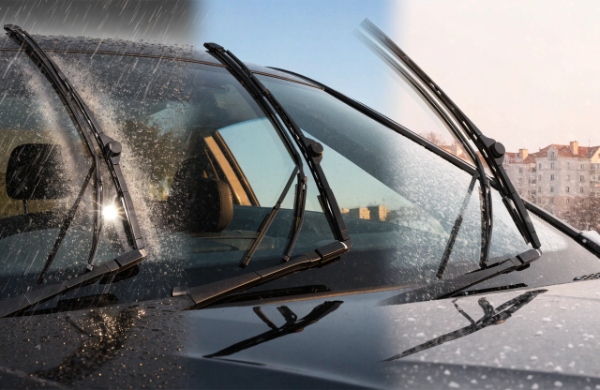
You now see the value of blades that handle every season. Let’s explore why most drivers struggle with changing weather, the common mistakes when buying all-season blades, what features actually deliver year-round performance, why Topex all-season beam blades excel, and your clear next step for reliable wiping.
Why Most Drivers Struggle with Wiper Performance Across Changing Seasons
I speak with drivers who live in places with real seasons. They replace blades in spring and again before winter. Performance still drops when the weather shifts.
Most drivers struggle with wiper performance across seasons because standard blades soften in heat, harden in cold, and streak in rain. This forces frequent replacements and leaves gaps in visibility when conditions change quickly.
Summer Heat Problems
High temperatures soften basic rubber. The edge loses shape and leaves streaks. Blades that worked in spring suddenly smear water across the glass.
Winter Hardening
Cold makes ordinary rubber stiff. The blade skips and chatters instead of gliding. Ice and snow make the problem worse and increase the chance of tearing.
Rain Performance Gaps
Many blades clear light rain well but fail in heavy downpours. Uneven pressure and poor water beading create dangerous blind spots.
Seasonal Swap Fatigue
Changing blades twice a year costs money and time. Drivers often delay the swap and drive with compromised vision for weeks.
Inconsistent Safety
Rapid weather changes catch people off guard. A blade that worked yesterday may fail today when the temperature drops or a storm hits.
| Seasonal Challenge | Blade Failure Mode | Driver Impact |
|---|---|---|
| Extreme heat | Softening and streaking | Poor summer visibility |
| Freezing cold | Hardening and skipping | Dangerous winter driving |
| Heavy rain | Incomplete clearing | Reduced reaction time |
| Frequent swaps | Higher cost and effort | Delayed maintenance |
This table shows how standard blades create year-round frustration. One reliable set solves multiple problems.
My Seasonal Driver Story
A customer in a variable climate replaced blades every fall and spring. He still faced streaking in summer storms and chatter in winter. After switching to true all-season blades he stopped the twice-yearly ritual and gained consistent clarity.
Fleet Experience in Mixed Climates
Companies operating across regions see higher blade costs and more driver complaints when using basic rubber. All-season designs reduce both issues and improve safety scores.
Seasonal struggles are common. Most come from choosing the wrong product. Let’s look at the frequent mistakes.
Common Mistakes When Choosing “All-Season” Wiper Blades
The “all-season” label appears on many packages. Not every blade that carries the name delivers real multi-weather performance.
Common mistakes include trusting the all-season label alone, ignoring material quality, skipping real-world test data, choosing the wrong blade style, and focusing only on price. These errors lead to blades that still fail when weather changes.
Trusting the Label Without Checking Specs
Many products say “all-season” but use standard rubber. They soften in heat and harden in cold just like ordinary blades.
Ignoring Rubber Compound Quality
Cheap compounds cannot handle wide temperature ranges. Premium formulations stay flexible from –40°C to high heat and resist cracking.
Skipping Independent Test Results
Marketing claims sound good. Real rain, heat, and cold tests reveal which blades actually maintain performance across conditions.
Choosing Framed Blades for Variable Weather
Traditional framed designs have more parts that can freeze, corrode, or lose tension. Beam styles adapt better to changing conditions and curved glass.
Focusing Only on Lowest Price
The cheapest all-season option often needs replacement sooner. Total cost over a year or two favors quality blades that last longer.
| Mistake | Result | Better Habit |
|---|---|---|
| Label-only decision | Poor extreme weather performance | Check temperature ratings |
| Ignoring compound | Early hardening or softening | Choose advanced rubber/silicone |
| No test data | Surprise failures consolid | Look for proven multi-weather results |
| Wrong style | Lift and uneven wear | Prefer beam or hybrid |
This table highlights the traps. Avoiding them leads to blades that truly work year-round.
My Buyer Mistake Story
A driver bought the lowest-priced “all-season” set. The blades streaked in the first summer heat wave. After moving to a quality beam design he gained reliable performance through the full year.
Common Retail Observation
Shoppers often grab the first package marked all-season. Those who compare temperature range and design features report far higher satisfaction.
Mistakes are easy to avoid with better information. Next we examine what real all-season performance requires.
What Makes a True All-Season Wiper Blade: Key Features and Top Performers
Not every blade can handle heat, cold, and rain equally well. Specific features separate true all-season performers from average ones.
True all-season wiper blades use advanced rubber or silicone compounds, beam-style construction, wide temperature tolerance, and strong aerodynamics. These elements keep the blade flexible and effective from freezing cold to summer heat.
Advanced Rubber or Silicone Compounds
Special formulations resist hardening in cold and softening in heat. They maintain a sharp wiping edge and good water beading across a wide temperature range.
Beam-Style Construction
Frameless designs provide even pressure and adapt to windshield curves. They also resist ice buildup and wind lift better than multi-point framed blades.
Wide Temperature Rating
Top blades are engineered for ranges such as -40°C to +80°C. This ensures the rubber stays flexible when conditions swing quickly.
Aerodynamic Stability
Integrated spoilers keep the blade pressed against the glass at highway speeds. This prevents lift and streaking during rainy high-speed driving.
Proven Multi-Weather Testing
The best options show strong results in independent rain, heat, and cold tests. Labels alone are not enough.
- Look for clear temperature range specifications.
- Prefer beam or hybrid designs for better adaptability.
- Check real-user feedback from drivers in variable climates.
- Consider silicone-enhanced options for maximum longevity.
- Replace both sides together for balanced performance.
These features deliver the consistency most drivers want. Real rankings favor blades that combine all of them.
2026 Performance Patterns
Independent tests consistently place quality beam blades at the top of all-season categories. They outperform traditional framed blades in rain clearing, noise, and temperature resilience.
Owner Results Across Climates
Drivers in regions with hot summers and cold winters report fewer replacements and more reliable vision when they choose true all-season designs.
Features matter. Consistent execution matters more. That is where Topex performs strongly.
Why TOPEX All-Season Beam Blades Excel in Variable Weather Conditions
I have tested blades through full seasonal cycles. Topex all-season beam designs maintain performance when weather shifts.
Topex all-season beam blades use advanced compounds and aerodynamic construction to stay flexible in heat and cold while clearing rain effectively. They deliver reliable year-round vision with fewer replacements.
Wide Temperature Flexibility
The rubber formulation resists both extreme heat softening and winter hardening. The edge stays effective from freezing mornings to hot afternoons.
Beam Design Advantages
Even pressure and frameless construction adapt to modern windshields. The blades maintain contact and reduce streaking across seasons.
Strong Rain and Highway Performance
Aerodynamic spoilers keep the blade stable at speed. Water clearing stays consistent whether the rain is light or heavy.
Durable Construction for Longevity
Quality materials and solid adapters help the blades last through multiple seasons. Drivers replace them less often than basic alternatives.
Quiet and Smooth Operation
Good compounds and even pressure reduce chatter and squeaks. The cabin stays calmer in rain throughout the year.
| Topex All-Season Strength | Benefit in Variable Weather | Driver Result |
|---|---|---|
| Advanced compound | Flexibility in heat and cold | Consistent wiping |
| Beam construction | Even pressure year-round | Fewer streaks |
| Aerodynamic profile | Stability in rain at speed | Safer highway driving |
| Durable build | Longer service life | Lower long-term cost |
This table shows why Topex blades handle real seasonal demands. The design focuses on the conditions drivers actually face.
My Year-Round Testing Notes
In side-by-side seasonal runs Topex blades maintained clear wiping through summer heat, fall rains, and winter cold. Competing basic all-season sets showed earlier degradation.
Customer and Fleet Feedback
Owners in mixed climates report they no longer swap blades with the seasons. Fleets note reduced inventory needs and higher driver confidence in changing weather.
Topex makes true all-season performance practical. Now it is time to take the next step.
Ready to Switch to Reliable All-Season Wipers? Here’s Your Next Step
You understand the seasonal problems, the common mistakes, the key features, and why quality matters. The path to year-round clarity is straightforward.
Ready to switch to reliable all-season wipers? Choose the correct size for your vehicle, select beam blades engineered for wide temperature ranges, and install them with clean glass for immediate improvement.
For proven all-season performance explore the Topex wiper blade collection. You can also check their flat wiper blade category for beam designs that excel across rain, heat, and cold.
Small upgrades create consistent safety and comfort every month of the year.
Conclusion
True all-season wiper blades eliminate the need for seasonal swaps and deliver consistent performance whether it’s pouring rain, scorching heat, or freezing cold. In 2026, the best options combine advanced rubber compounds, aerodynamic beam designs, and wide temperature tolerance.
Choosing a high-quality all-season blade means clearer vision year-round, fewer replacements, and better value. TOPEX all-season beam blades are engineered exactly for this challenge.
Stop changing blades with the seasons. Upgrade to reliable all-season performance today and drive with confidence in any weather.
Frequently Asked Questions About All-Season Wiper Blades
What are the best all-season wiper blades in 2026?
Quality beam-style blades with advanced rubber or silicone compounds rank highest. They maintain flexibility and clearing performance across heat, cold, and heavy rain better than standard options.
Can one set of wiper blades really handle all weather conditions?
Yes when the blades use proper compounds and design. True all-season blades stay flexible in extreme temperatures and clear water effectively so one set works year-round.
Are beam-style blades better for all-season use?
Yes. Beam blades provide even pressure, better wind resistance, and fewer parts that can freeze or corrode. They adapt well to changing conditions and modern windshield curves.
How do all-season blades perform in extreme cold or heat?
Premium all-season blades are formulated to resist hardening in cold and softening in heat. They maintain a functional edge across wide temperature ranges where basic rubber fails.
How often should I replace all-season wiper blades?
Most drivers replace them every 12–18 months. Quality all-season blades often last longer than seasonal sets, especially with regular cleaning and proper care.
Are premium all-season blades worth the extra cost?
Yes for most drivers. They reduce the need for seasonal swaps, deliver more consistent vision, and lower total cost over time compared with repeatedly buying cheaper blades.

--- END ---


