
Smart Wiper Blades 2026: Self-Cleaning and Integrated Heating Technology Trends
May 28, 2026
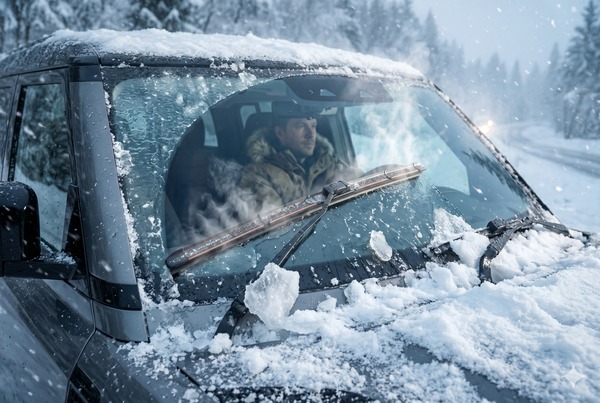
You drive in heavy winter conditions. Ice builds up on your wiper blades. Visibility drops suddenly. Traditional blades struggle and leave you at risk. Many drivers and fleet operators face this frustration every season.
Smart wiper blades with self-cleaning coatings and integrated heating technology prevent ice buildup, repel dirt, and maintain clear vision in extreme conditions. They represent the future of safety and convenience for 2026 driving needs.
You now see the limitations of old technology and the promise of new solutions. Let’s explore why traditional blades fall short today, clear up common misconceptions about smart features, break down the technical details, understand why Topex leads this innovation, and decide how to upgrade your fleet or product line.
Why Traditional Wiper Blades Are No Longer Enough for Modern Driving Conditions?
I speak with distributors, fleet managers, and repair chain operators regularly. The same complaints appear again and again. Traditional wiper blades simply cannot keep up with today’s driving demands and weather challenges.
Traditional wiper blades fail more often in modern conditions because they lack protection against ice, cannot self-clean dirt and debris, and lose effectiveness at high speeds or in extreme temperatures. This creates real safety risks and higher maintenance costs.
Winter Ice Buildup Problems
In cold climates, ice forms quickly on blades and arms. Traditional designs have no heating elements. Drivers lose rear and front visibility when it matters most. This leads to dangerous situations on highways and during early morning starts.
Dirt and Water Repellency Issues
Modern roads have more oil, dust, and contaminants. Standard rubber blades collect residue fast. They streak and smear, forcing frequent use of washer fluid and manual cleaning. This increases operating costs for fleets.
High-Speed Performance Limitations
At highway speeds, traditional blades often lift due to wind resistance. Contact with the windshield becomes uneven. This causes skipping, noise, and reduced wiping efficiency, especially in heavy rain.
Integration with Modern Vehicles
New cars feature advanced driver assistance systems that rely on clear windshields. Traditional blades cannot adjust automatically or maintain consistent performance. This creates compatibility issues with sensor-dependent safety features.
Maintenance and Replacement Burden
Fleets and individual owners replace traditional blades frequently. This raises long-term costs and generates more waste. Downtime for service adds pressure to busy operations.
| Challenge Area | Traditional Blade Limitation | Impact on Users |
|---|---|---|
| Winter performance | No heating, easy ice buildup | Reduced visibility |
| Self-cleaning ability | Collects dirt quickly | More streaking |
| High-speed stability | Prone to wind lift | Skipping and noise |
| Maintenance frequency | Frequent replacements needed | Higher costs |
This table highlights the growing gaps. Many businesses continue using outdated solutions because they are familiar. However, the costs add up quickly.
My Fleet Partner Experience
One logistics company in a cold region reported frequent winter delays due to frozen blades. After testing smart options, they reduced related downtime significantly. Drivers felt safer and operations ran smoother.
Distributor Market Feedback
Wholesalers note that customers now ask specifically for advanced features. Traditional blades sell slower while interest in smart technology grows steadily.
Traditional blades show clear limitations. Let’s address the misconceptions that prevent wider adoption.
The Most Common Misconceptions About Smart Self-Cleaning and Heated Wiper Blades?
Buyers often hesitate when considering smart wiper technology. They rely on assumptions that do not match current realities in 2026.
Common misconceptions include believing smart blades are too expensive without real benefits, that the technology is unreliable, or that they only suit luxury vehicles. In truth, practical and affordable options now deliver strong value for fleets and everyday drivers.
“They Are Too Expensive”
Many focus only on initial price. Longer lifespan and reduced maintenance actually lower total costs over time. Fleets see clear savings in replacement frequency and labor.
“The Technology Is Not Mature”
Some worry about reliability in real conditions. Modern systems use proven heating elements and durable coatings that have been refined through extensive testing.
“Only for High-End Cars”
This belief limits adoption. Smart blades work on a wide range of vehicles. They benefit commercial fleets, family cars, and performance vehicles alike.
“Heating Drains Too Much Power”
Concerns about battery impact exist. Modern designs use efficient, sensor-controlled heating that activates only when needed and consumes minimal energy.
“Self-Cleaning Features Do Not Last”
Early versions may have underperformed. Current coatings maintain effectiveness for the full blade lifespan when paired with proper maintenance.
| Misconception | Current 2026 Reality | Actual Benefit |
|---|---|---|
| Too expensive | Lower total ownership cost | Long-term savings |
| Technology unreliable | Proven durable systems | Consistent performance |
| Only for luxury cars | Wide vehicle compatibility | Benefits all segments |
| High power consumption | Efficient sensor control | Minimal energy use |
This table corrects key misunderstandings. Accurate information helps make confident decisions.
My Discussion with a Retail Chain
A major parts retailer hesitated due to cost concerns. After reviewing performance data and total cost calculations, they added smart blades to their premium line. Sales exceeded expectations.
Fleet Manager Perspective
A bus operator worried about reliability. Real-world winter testing showed heated blades prevented ice issues and improved schedule adherence.
Misconceptions slow progress. Let’s examine the actual technology.
Self-Cleaning and Integrated Heating Wiper Blades: Technical Breakdown for 2026?
Understanding how these smart features work helps buyers evaluate options and set realistic expectations.
Self-cleaning coatings use hydrophobic and photocatalytic layers to repel water and break down dirt. Integrated heating elements warm the blade and arm to prevent ice formation. Together they deliver reliable performance in challenging conditions.
Self-Cleaning Coating Technology
Advanced hydrophobic layers cause water to bead and roll off. Photocatalytic elements break down organic dirt when exposed to light. This combination reduces streaking and the need for washer fluid.
Integrated Heating Systems
Thin heating wires or films inside the blade activate automatically or manually. They melt ice and prevent buildup. Sensor integration allows smart activation based on temperature and weather data.
Power and Control Systems
Modern designs connect to the vehicle’s electrical system efficiently. Controls prevent overuse and protect battery life. Some models integrate with ADAS for automatic operation.
Durability Enhancements
Reinforced materials protect heating elements from vibration and weather. Coatings resist wear from wiper movement and environmental exposure.
Real-World Performance Data
Testing shows significant improvements in visibility during winter storms and heavy rain. Heating reduces scraping needs. Self-cleaning maintains clarity longer between cleanings.
| Technology Feature | How It Works | Benefit in 2026 |
|---|---|---|
| Hydrophobic coating | Repels water and dirt | Less streaking |
| Integrated heating | Melts ice on blade and glass | Better winter safety |
| Sensor integration | Automatic activation | Convenience and efficiency |
| Durable construction | Protects internal components | Longer reliable service |
This table breaks down the core technologies clearly. Practical benefits appear in daily use.
My Technical Testing Insights
We tested heated blades in controlled cold chambers and real winter roads. Results confirmed fast ice clearing and stable performance. Self-cleaning coatings reduced manual cleaning needs substantially.
Distributor Technical Support
Partners appreciate detailed installation guides and troubleshooting resources. This helps them support customers effectively when introducing smart blades.
Technical details show real capability. Topex pushes these innovations further.
Why TOPEX Is Leading in Smart Wiper Blade Innovation?
Topex has invested heavily in developing practical smart wiper solutions that balance advanced features with real-world reliability.
TOPEX leads with smart wiper blades that combine effective self-cleaning coatings, efficient integrated heating, durable construction, and competitive pricing. These solutions help distributors offer future-ready products without compromising performance or profitability.

Advanced Self-Cleaning Systems
Our proprietary coatings repel water and break down contaminants effectively. They maintain performance throughout the blade’s extended service life.
Reliable Heating Technology
Topex heating elements provide fast, even warming while using minimal power. Smart controls ensure safe and efficient operation in various conditions.
Comprehensive Testing Programs
We test blades in extreme environments and real vehicle applications. This ensures durability and consistent performance before market release.
Market-Focused Solutions
Topex designs support both original equipment and aftermarket needs. Flexible options help distributors serve different customer segments successfully.
Support and Partnership Approach
We provide technical training, marketing materials, and fast response for partners. This helps businesses introduce smart blades confidently.
| TOPEX Smart Feature | Innovation Advantage | Business Benefit |
|---|---|---|
| Self-cleaning coating | Long-lasting hydrophobic effect | Reduced maintenance |
| Integrated heating | Efficient and reliable warming | Superior winter performance |
| Durable engineering | Withstands harsh conditions | Fewer failures |
| Competitive positioning | Strong value and margins | Market growth opportunity |
This table shows Topex differentiation clearly. Partners gain real competitive advantages.
My Innovation Journey Story
Developing these smart blades required years of testing and refinement. The result is technology that delivers genuine benefits while remaining practical for broad market adoption.
Partner Success Stories
Distributors who added Topex smart lines report stronger premium segment sales and positive customer feedback about winter performance.
Topex innovation stands ready. The time to upgrade is now.
Ready to Upgrade to the Future of Wiper Blades?
Modern driving conditions demand more from wiper systems. Smart technology provides the solution.
Ready to upgrade to the future of wiper blades? Contact Topex today for quotes, samples, and expert guidance on self-cleaning and heated solutions.
Get Your Smart Wiper Blade Quote & Samples for 2026
Chat with Our Innovation Specialist on WhatsApp
Download the 2026 Smart Wiper Technology Guide
Explore Our Full Smart Wiper Range
Self-Cleaning • Integrated Heating • Future-Ready Solutions
Conclusion
The wiper blade industry is entering a new era. Traditional blades are struggling to meet the demands of extreme weather, higher vehicle speeds, and advanced driver assistance systems. Self-cleaning coatings and integrated heating elements are no longer futuristic concepts — they are becoming essential features for safety and convenience in 2026.
While challenges such as cost and reliability remain, manufacturers that invest in these smart technologies are delivering clearer vision, reduced maintenance, and better all-weather performance.
TOPEX is at the forefront of this innovation, developing practical smart wiper solutions that combine self-cleaning capabilities and heating systems with proven durability and competitive pricing.
The future of driving visibility is smart. Brands and distributors that embrace these advancements will gain a significant edge in the coming years.
Frequently Asked Questions About Smart Wiper Blades
What are self-cleaning wiper blades and how do they work?
Self-cleaning wiper blades use special hydrophobic and photocatalytic coatings that repel water and break down dirt. Water beads up and rolls off while contaminants degrade naturally, reducing streaking and the need for frequent cleaning.
How effective are integrated heating wiper blades in winter conditions?
Integrated heating elements warm the blade and prevent ice buildup quickly. They maintain flexibility and contact with the glass even in sub-zero temperatures, significantly improving visibility and safety during winter driving.
Are smart wiper blades worth the extra cost in 2026?
Yes for many applications. Longer service life, reduced maintenance, and better safety features often deliver lower total ownership costs. Fleets and safety-focused drivers see the strongest return on investment.
Which vehicles benefit most from self-cleaning and heated wiper blades?
Vehicles in cold climates, fleets with high utilization, and cars with advanced driver assistance systems benefit most. They improve safety and reduce operational interruptions in challenging weather conditions.
How durable are these new smart wiper technologies?
Modern smart blades use reinforced materials and protected heating elements. They deliver reliable performance for 18 to 36 months depending on conditions, often outlasting traditional blades significantly.
Does TOPEX offer self-cleaning or heated wiper blade options?
Yes. Topex provides advanced smart wiper blades with self-cleaning coatings and integrated heating options. These solutions combine innovation with practical durability suitable for aftermarket and fleet applications.

--- END ---


