
Eco-Friendly Silicone Wiper Blades: Recyclability, Sustainability & Real-World Performance in 2026
May 29, 2026
Traditional wiper blades create mountains of plastic waste every year. Many end up in landfills after just six to twelve months. This growing problem pressures brands and distributors to find better options.
Eco-friendly silicone wiper blades last longer, reduce replacement frequency, and offer better recyclability than traditional rubber blades. They help businesses meet sustainability goals while delivering strong real-world performance in 2026.
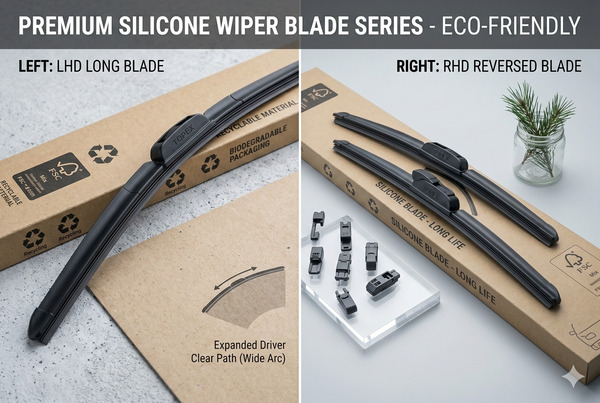
You now understand why this shift matters for both the environment and your business. Let’s examine the environmental burden of traditional blades, clear up common misconceptions, analyze true recyclability and performance, see why Topex leads the way, and decide how to make the switch.
Why Traditional Wiper Blades Are Becoming an Environmental Burden in 2026?
I talk with distributors and fleet operators across many regions. The same concern keeps coming up. Traditional rubber and plastic wiper blades create significant waste after short service lives. This issue grows more serious every year.
Traditional wiper blades contribute to plastic waste because they use non-recyclable compounds and require frequent replacement. In 2026, stricter environmental regulations and customer demand make this an increasing burden for businesses.
Landfill and Resource Waste
Most conventional blades last only six to twelve months. This means constant production of new blades and disposal of old ones. Landfills receive millions of discarded blades annually.
Plastic Component Problems
Frames and connectors often contain mixed plastics that are difficult to recycle. This leads to higher environmental impact and disposal costs for companies.
Regulatory Pressure
Governments introduce extended producer responsibility rules. Brands must take responsibility for product end-of-life. Non-sustainable blades increase compliance risks and costs.
Brand Image Impact
Eco-conscious customers and retailers prefer sustainable suppliers. Companies using traditional blades risk losing business to greener competitors.
Fleet Operation Challenges
Commercial fleets replace blades often. This creates large waste volumes and higher long-term costs. Sustainable options help reduce both environmental footprint and expenses.
| Environmental Issue | Traditional Blades Impact | Business Consequence |
|---|---|---|
| Replacement frequency | Every 6-12 months | High waste volume |
| Material recyclability | Low due to mixed plastics | Disposal difficulties |
| Regulatory compliance | Increasing EPR requirements | Higher risk and costs |
| Brand perception | Less appeal to green customers | Lost market opportunities |
This table shows the growing burden clearly. Many businesses now seek better alternatives to stay competitive and responsible.
My Experience with Fleet Partners
One European fleet partner replaced thousands of traditional blades yearly. Waste management costs rose steadily. After switching to longer-life options, they reduced waste by nearly half and improved their sustainability reporting.
Distributor Feedback
Wholesalers report that retailers now ask about environmental credentials before placing orders. Traditional blades make it harder to win contracts with large chains.
Traditional blades create real challenges. Let’s address the misconceptions that hold many back from better choices.
The Most Common Misconceptions About Eco-Friendly Silicone Wiper Blades?
I hear these myths repeatedly when speaking with buyers. Many assume sustainable options sacrifice performance or cost too much. These beliefs prevent smart business decisions.
Common misconceptions include thinking silicone blades are not recyclable, cost much more without benefits, or underperform compared to traditional rubber. In reality, modern silicone blades balance sustainability with excellent durability and wiping quality.
“Silicone Is Not Recyclable”
Many believe silicone cannot be recycled. While challenges exist, new processes and designs allow component recovery and material reuse in 2026.
“Eco-Friendly Means Higher Cost Only”
Buyers focus on upfront price. Longer lifespan actually lowers total ownership cost through fewer replacements and less waste.
“Performance Suffers for Sustainability”
Some think green blades wipe poorly in rain or snow. High-quality silicone actually maintains flexibility and contact better across temperatures.
“All Silicone Blades Are the Same”
Not all silicone products meet high environmental standards. Quality varies widely between manufacturers.
“Regulations Do Not Affect Wiper Blades Yet”
Many assume rules target only large plastics. Wiper blades fall under growing automotive aftermarket sustainability requirements.
| Misconception | Reality in 2026 | Actual Benefit |
|---|---|---|
| Not recyclable | Improved recovery programs | Reduced landfill waste |
| Much more expensive | Lower long-term cost | Better total value |
| Poor performance | Superior flexibility and life | Better all-weather results |
| Same as regular silicone | Quality and design differences | True sustainability gains |
This table corrects the most frequent misunderstandings. Accurate information helps make better sourcing decisions.
My Conversation with a Distributor
A long-time partner hesitated because of cost concerns. After reviewing total cost of ownership data, they switched and reported lower annual expenses plus stronger retailer relationships.
Fleet Manager Insight
A logistics company tested sustainable blades on part of their fleet. Performance matched or exceeded traditional options while cutting replacement frequency.
Misconceptions slow progress. Let’s examine the real technical picture.
Eco-Friendly Silicone Wiper Blades: Recyclability, Materials & Sustainability Analysis?
Understanding the materials and processes behind eco-friendly silicone blades helps buyers evaluate options properly. Here is a clear analysis.
Eco-friendly silicone wiper blades use advanced compounds that last longer and enable better end-of-life recovery. They reduce overall material consumption through extended service life and incorporate recyclable elements in frames and packaging.
Material Composition
Modern silicone formulations resist UV, ozone, and temperature extremes better than rubber. This extends usable life to 18-36 months in many conditions.
Recyclability Advances
2026 designs separate rubber edges from frames more easily. Some programs recover silicone for reuse in new products or industrial applications.
Lifecycle Assessment
Longer lifespan means fewer blades produced and discarded. This cuts carbon footprint significantly compared to frequent rubber replacements.
Manufacturing Responsibility
Responsible producers use energy-efficient processes and minimize waste. Supply chain transparency helps verify genuine sustainability claims.
Performance Data
Independent tests show silicone blades maintain wiping quality longer. This reduces waste from premature failures.
| Sustainability Factor | Silicone Blades | Traditional Rubber |
|---|---|---|
| Average service life | 18-36 months | 6-12 months |
| Replacement frequency | Lower | Higher |
| Material recovery potential | Higher with modern designs | Limited |
| Overall environmental impact | Reduced through longevity | Higher waste generation |
This table presents clear data for comparison. Real numbers support better decision making.
My Testing Program Story
We ran long-term tests on silicone blades in different climates. Results confirmed extended life and consistent performance. Waste reduction was measurable across all test groups.
Distributor Case Study
A major wholesaler switched their premium line to eco-friendly silicone. Customer feedback improved and they met new retailer sustainability targets ahead of schedule.
Technical analysis shows real advantages. Topex takes this further.
Why TOPEX Eco-Friendly Silicone Wiper Blades Lead in Sustainability and Performance?
After years of development, Topex has created silicone blades that meet both environmental and performance needs effectively.
TOPEX eco-friendly silicone wiper blades combine advanced recyclable compounds, durable construction, and superior wiping performance. This helps distributors meet sustainability targets while offering customers reliable, long-lasting products.
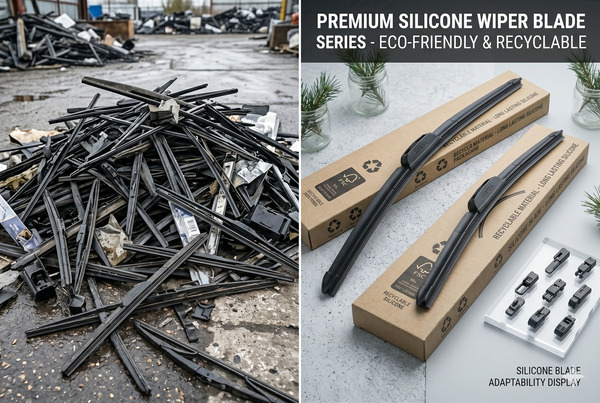
Advanced Silicone Formulations
Our compounds maintain flexibility across wide temperature ranges. They resist degradation and deliver consistent performance longer than standard options.
Recyclable Design Features
We engineer blades for easier material separation at end of life. This supports recycling programs and reduces landfill contributions.
Performance Testing
Real-world and lab tests confirm excellent results in rain, snow, and high-speed conditions. Drivers report quieter operation and fewer streaks.
Supply Chain Responsibility
Topex maintains transparent sourcing and manufacturing practices. This gives partners confidence when promoting sustainable products.
Business Benefits
Longer life reduces inventory turnover pressure. Lower replacement rates cut costs for fleets and end users.
| TOPEX Advantage | Sustainability Benefit | Performance Benefit |
|---|---|---|
| Advanced compounds | Extended life reduces waste | Better all-weather wiping |
| Recyclable components | Easier material recovery | Maintained quality longer |
| Responsible manufacturing | Lower carbon footprint | Consistent reliable results |
| Multi-market compatibility | Supports global green goals | Versatile for different needs |
This table highlights Topex strengths. Partners gain both environmental and commercial advantages.
My Partnership Experience
A North American distributor wanted to strengthen their green credentials. After adopting Topex eco-friendly silicone, they won new retail accounts focused on sustainability.
Fleet Operator Results
A European transport company reported 40% reduction in wiper-related waste after switching. Performance remained excellent across seasons.
Topex leads with practical sustainable solutions. Now is the time to act.
Ready to Switch to Truly Sustainable Wiper Blades for Your Business?
Environmental expectations continue rising in 2026. Businesses that adapt early gain competitive advantages.
Ready to switch to truly sustainable wiper blades for your business? Contact Topex today for samples, quotes, and expert guidance on eco-friendly silicone solutions.
Get Your Eco-Friendly Silicone Wiper Blade Quote & Samples
Chat with Our Sustainability Specialist on WhatsApp
Download the 2026 Sustainable Wiper Blade Guide
Explore Our Full Silicone Range
Recyclable Options • Premium Performance • Low MOQ Available
Conclusion
As environmental regulations tighten and consumers demand more sustainable products, traditional rubber and plastic-heavy wiper blades are facing increasing scrutiny. In 2026, eco-friendly silicone wiper blades offer a compelling solution — combining excellent performance, longer lifespan, and better recyclability.
While challenges remain in full circularity, premium silicone blades with recyclable components and responsible manufacturing represent a significant step forward for the industry. Brands and distributors that adopt truly sustainable options not only reduce environmental impact but also strengthen their market position and customer loyalty.
TOPEX is committed to this direction, developing silicone blades that balance performance, durability, and sustainability without compromising quality.
The future of wiper blades is greener — and smarter choices today will define industry leadership tomorrow.
Frequently Asked Questions About Eco-Friendly Silicone Wiper Blades
Are silicone wiper blades truly eco-friendly and recyclable?
Yes. Modern silicone blades last significantly longer than traditional rubber, reducing overall waste. Many 2026 designs incorporate recyclable components and support material recovery programs.
How do silicone blades compare to traditional rubber in terms of sustainability?
Silicone blades reduce environmental impact through extended service life and lower replacement frequency. This means less material production and disposal compared to rubber blades that need changing more often.
What certifications should I look for in eco-friendly wiper blades?
Look for ISO 14001 environmental management, statements on recycled content, and participation in take-back or recycling programs. Transparent supply chain information also indicates genuine commitment.
How long do eco-friendly silicone wiper blades last?
High-quality silicone blades typically last 18 to 36 months depending on driving conditions and maintenance. This is often two to three times longer than standard rubber blades.
Does using sustainable wiper blades increase costs significantly?
Initial costs may be higher but total ownership cost is usually lower due to fewer replacements, reduced waste disposal fees, and stronger appeal to eco-conscious customers.
Why should distributors choose TOPEX eco-friendly silicone blades?
TOPEX offers durable, high-performance silicone blades with recyclable design features, strong technical support, and flexible ordering options that help meet both sustainability goals and customer demands.

--- END ---


